Ensuring Fairness: FCC's Guidance on Political Equal Opportunities in Broadcast Television Programming
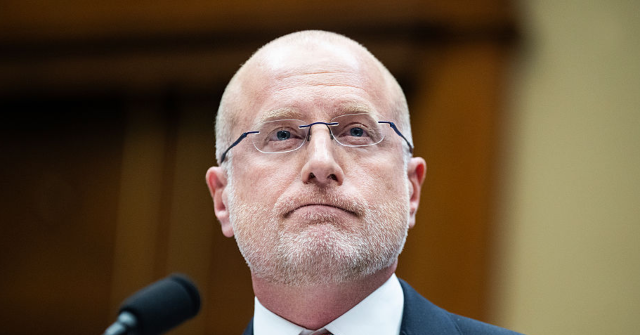
The Federal Communications Commission (FCC) has issued new guidance to ensure that broadcast television programming complies with political equal opportunities requirements. These requirements were established by Congress in the Communications Act of 1934 to guarantee equal access for legally qualified candidates regardless of political affiliation. The FCC's guidance aims to prevent biased programming and ensure fair treatment of all candidates.
Congress amended Section 315 of the Communications Act in 1959 to provide limited exceptions to the equal opportunities requirements. These exceptions include exemptions for bona fide newscasts, news interviews, news documentaries, and coverage of news events. The FCC's guidance emphasizes that these exemptions should not be used to promote a political agenda and must be applied fairly to all candidates.
In a recent incident, NBC provided President Donald Trump with free airtime during a NASCAR race, which was seen as an attempt to evade the FCC's Equal Time rule. Commissioner Carr criticized this action, stating that broadcasters should offer equal time to all qualifying campaigns to avoid biased and partisan conduct. The FCC's guidance aims to prevent such incidents and ensure fair treatment of all candidates on broadcast television.
The FCC's guidance also addresses the application of the equal opportunities exemption to entertainment programs. In 2006, the FCC determined that the interview portion of The Tonight Show with Jay Leno qualified as a bona fide news interview, setting a precedent for similar entertainment programs. However, the FCC has not found evidence that current late-night or daytime talk show programs qualify for this exemption, raising concerns about potential bias in programming.
Daniel Suhr, the president of the Center for American Rights (CAR), praised FCC Chairman Brendan Carr's efforts to address left-wing bias in broadcast television. Suhr highlighted the need for equal access and fair treatment of all candidates to prevent the airwaves from becoming a propaganda tool for one party. The FCC's guidance aims to uphold these principles and ensure that broadcast television serves the public interest.
In conclusion, the FCC's recent guidance on political equal opportunities requirements for broadcast television programming seeks to prevent biased and partisan conduct, ensure fair treatment of all candidates, and uphold the public interest standard. By clarifying the application of exemptions and addressing potential bias in entertainment programs, the FCC aims to promote transparency and fairness in broadcast television.