Gene Loves Jezebel: The Aston Brothers' Tumultuous Journey
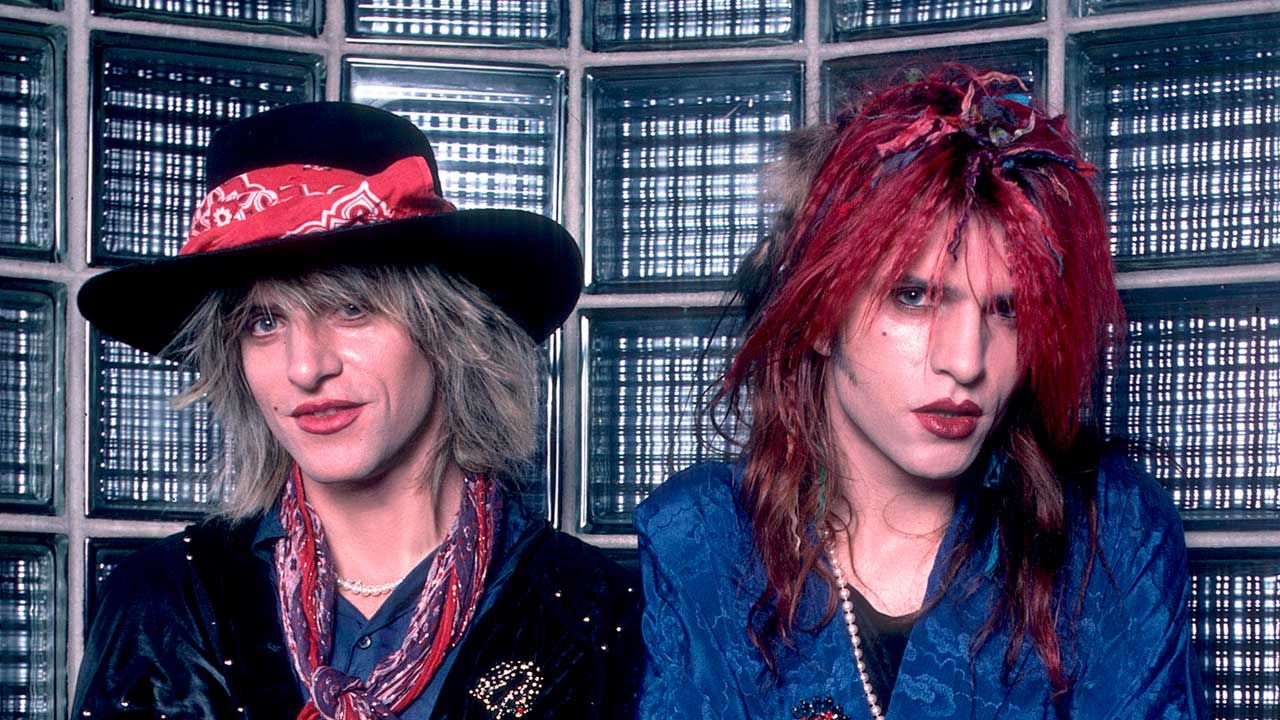
Identical twins Michael and Jay Aston, members of the band Gene Loves Jezebel, reflect on their tumultuous journey together. The band's evolution from post-punk to goth-pop marked a turning point in their relationship. As they recall the pivotal moments that led to their eventual split, it becomes evident that their bond was strained and irreparably damaged. Today, two versions of Gene Loves Jezebel exist, each led by one of the brothers, with a palpable sense of frustration and animosity between them.
The Astons' shared history is a complex tale of musical innovation and personal discord. Growing up as outsiders in a steel town in South Wales, they found solace in music and art, forging a unique path in the underground scene of the early 1980s. Despite their close bond, they had distinct personalities and aspirations, which ultimately contributed to the tensions within the band.
Gene Loves Jezebel's rise to fame in the 1980s was marked by a transformation from post-punk obscurity to goth-pop stardom. Their distinctive sound and image captivated audiences on both sides of the Atlantic, but internal conflicts and creative differences began to surface. The Astons' diverging visions for the band's direction led to a rift that would ultimately tear them apart.
As the band's popularity grew, so did the strain on their relationship. Jay and Michael's conflicting views on the band's musical direction and personal dynamics came to a head during the recording of their fourth album, "The House Of Dolls." The album's commercial sound and simplified lyrics marked a departure from their earlier work, causing a rift between the brothers that would prove insurmountable.
Following Michael's departure from Gene Loves Jezebel, Jay continued to lead the band, releasing albums and touring without his brother. However, their paths would cross again in a legal battle over the band's name, resulting in two separate versions of Gene Loves Jezebel. The ongoing feud between the brothers has persisted, with accusations of manipulation and betrayal on both sides.
Despite the acrimony between them, both Jay and Michael have come to terms with the existence of two Gene Loves Jezebels. Their shared history and musical legacy remain intertwined, even as they pursue separate paths in the music industry. While a reunion seems unlikely, the brothers' tumultuous journey serves as a testament to the complexities of sibling relationships and the enduring power of music.