Exploring the Grateful Dead's Legacy: Music, Unity, and American Values
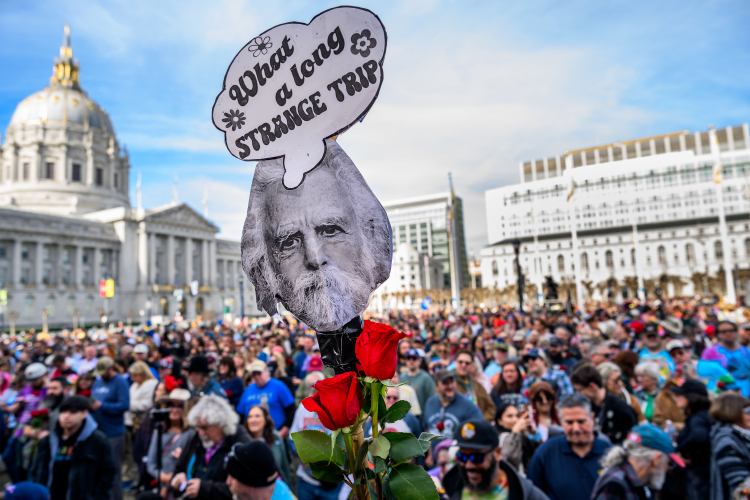
The recent passing of Bob Weir, the last surviving member of the Grateful Dead, has sparked an outpouring of tributes highlighting the band's unique contribution to American music. The Grateful Dead's eclectic sound drew from a wide range of musical influences, blending elements of English and Scottish ballads, African rhythms, classical music, blues, gospel, country, jazz, and rock into a distinct and original style. Their approach to music, characterized by simultaneous soloing on all instruments, created a dynamic and improvisational sound that set them apart from other rock bands.
Despite being an acquired taste with both critics and fans, the Grateful Dead's music and ethos embodied a set of values that transcended traditional boundaries. Emerging from the counterculture of the 1960s, the band represented a fusion of culture and counter-culture, attracting a diverse following that included conservatives and progressives alike. Their music and message resonated with audiences, challenging them to consider the possibilities of individualism and community in a time of societal division.
As the United States commemorates its 250th anniversary amidst ongoing societal challenges, the Grateful Dead's legacy offers a lens through which to explore questions of identity and unity. The band's emphasis on collaboration and collective creativity mirrored the American ideals of rugged individualism and community, bridging perceived divides and inspiring introspection among their fans. Through their music and example, the Grateful Dead encouraged audiences to embrace a sense of shared purpose and personal growth.
The Grateful Dead's commitment to freedom and dedication to their craft exemplified the American spirit of pursuing one's passions with diligence and perseverance. Despite their unconventional approach to music and business, the band's work ethic and artistic integrity served as a model for fans seeking to find meaning and excellence in their own pursuits. By fostering a culture of creativity and self-expression, the Grateful Dead empowered their audience to engage with their ideas and contribute to a vibrant community of like-minded individuals.
In navigating the complexities of personal freedom and communal responsibility, the Grateful Dead embodied a philosophy of balance and harmony that resonated with their fans. Their willingness to embrace free-market capitalism while nurturing their community reflected a nuanced approach to economic and social dynamics, encouraging fans to explore their own entrepreneurial spirit and creativity. By fostering a culture of mutual support and artistic expression, the band cultivated a sense of shared ownership and collaboration that extended beyond their music.
As the Grateful Dead's enduring legacy continues to inspire generations of fans, their message of unity and individual empowerment remains as relevant today as ever. In a time of societal uncertainty and division, the band's example serves as a reminder of the transformative power of music and community in fostering personal growth and collective resilience. By embracing the values of creativity, dedication, and collaboration, the Grateful Dead's legacy invites us to reflect on our own potential for positive change and meaningful contribution to society.