Legal Debate: Can The Beatles Be Deported? Exploring Trump's Use of the Alien Enemies Act
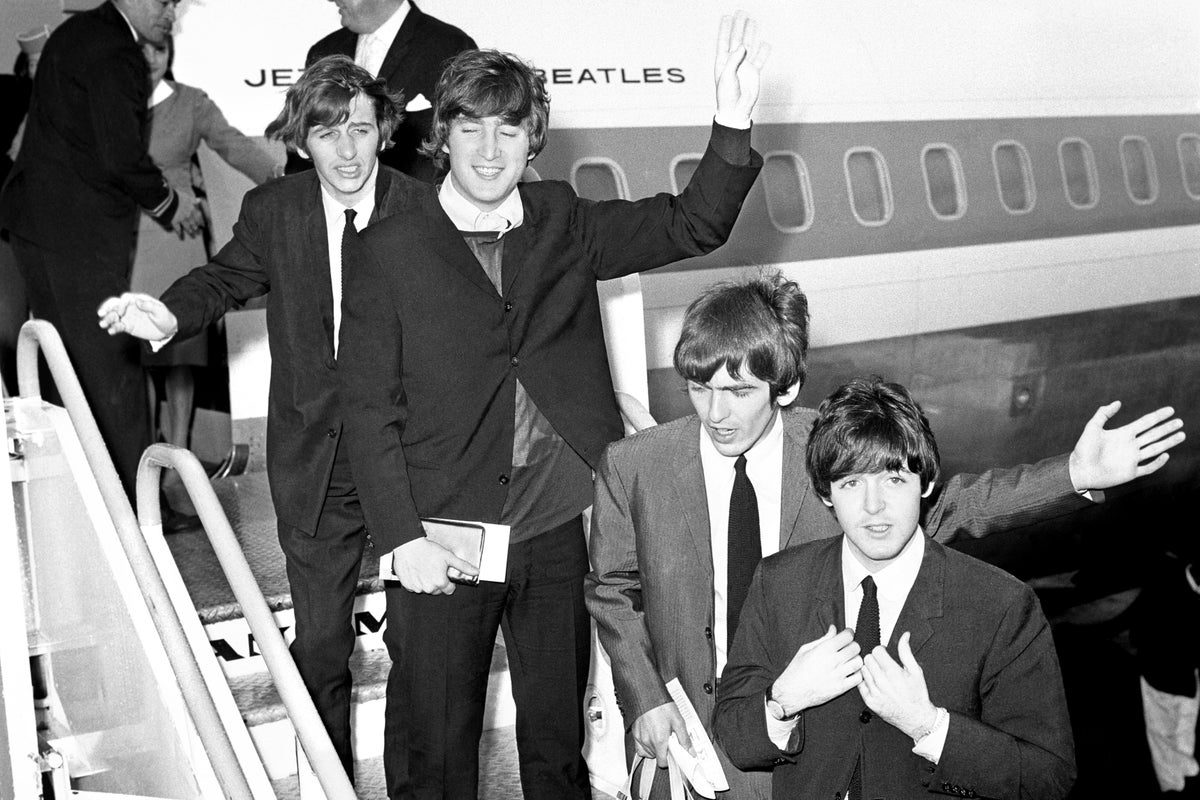
A judge in the United States has posed a thought-provoking question during legal discussions regarding President Donald Trump's utilization of an ancient wartime law to expel Venezuelan gang members. The judge questioned whether the same law could be applied to deport a group like The Beatles, referencing the 1960s concerns about British bands corrupting youth. The government attorney asserted that the president indeed had the authority to do so, with Congress being the check on such actions.
The legal debate stemmed from Trump's use of the Alien Enemies Act of 1798 to target the Venezuelan gang Tren de Aragua, a move that was challenged in court. The law, rarely invoked in history, was questioned for its applicability to a gang rather than a foreign power. The case was brought before the full 5th Circuit Court of Appeals, where arguments were made for and against the administration's actions.
The ACLU argued that the Alien Enemies Act was intended for wartime military purposes, not for dealing with ordinary crimes committed by a gang. The judges expressed concerns about interfering with the president's assessment of national security threats, with the government attorney emphasizing the law's provisions for addressing invasions or predatory incursions.
The outcome of the court's ruling on the constitutionality of Trump's use of the act remains uncertain, with the possibility of the case reaching the U.S. Supreme Court for a final decision. The Supreme Court has previously intervened in Trump's invocation of the act, setting guidelines for the removal of individuals designated as gang members under the law. The legal saga surrounding the Alien Enemies Act continues to unfold, with implications for presidential powers and national security measures.