Studio Interference: The Downfall of Superhero Movies
The superhero movie industry is a lucrative business for studios, offering not only ticket sales but also merchandising opportunities. However, when executives become too involved in the creative process, it can lead to disastrous results. This article explores instances where studio interference negatively impacted superhero movies, resulting in disappointing outcomes.
One such example is "X-Men Origins: Wolverine," where director Gavin Hood's original vision clashed with the studio's demands for a more traditional superhero film. The resulting mish-mash of ideas and forced changes led to a lackluster movie that failed to resonate with audiences.
Similarly, "Superman IV: The Quest for Peace" suffered from budget cuts and studio interference, resulting in a film that paled in comparison to its predecessors. The studio's cost-cutting measures and creative restrictions led to a subpar final product that failed to capture the magic of earlier Superman films.
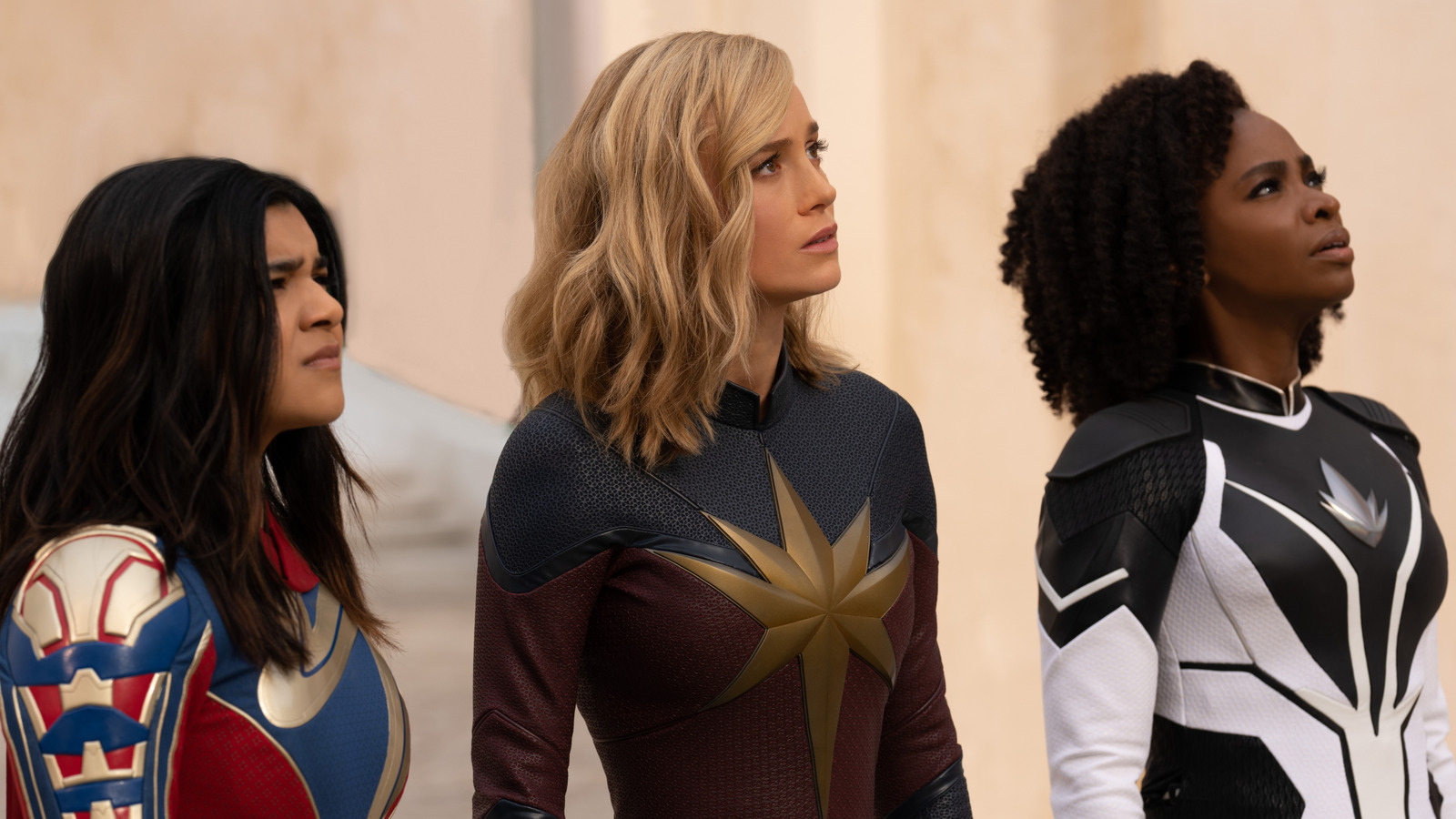
"The Marvels," a highly anticipated Marvel Cinematic Universe film, also fell victim to studio meddling. Despite a talented director and a star-studded cast, the film failed to live up to expectations due to extensive reshoots and creative differences behind the scenes.
"Aquaman and the Lost Kingdom" faced numerous challenges during production, including regime changes and constant reshoots. Director James Wan struggled to maintain creative control amidst studio interference, resulting in a lackluster sequel that failed to recapture the magic of the original film.
"Suicide Squad" and "Punisher: War Zone" are other examples of superhero movies that suffered from studio interference, leading to tonal inconsistencies and creative clashes that hindered the final product. In both cases, the filmmakers' original visions were compromised by studio demands, resulting in disappointing outcomes.
Finally, "The New Mutants" and "The Flash" faced similar challenges, with release date delays and creative changes impacting the films' reception. Despite promising premises and talented filmmakers, both movies failed to deliver on their potential due to studio interference and external pressures.
In conclusion, studio interference can have a detrimental impact on superhero movies, leading to creative clashes, budget cuts, and compromised visions. When executives prioritize financial concerns over artistic integrity, the end result is often a disappointing film that fails to resonate with audiences. It is essential for studios to trust their filmmakers and allow them the creative freedom to bring their vision to life, rather than imposing unnecessary restrictions that hinder the creative process.