Exploring Dreams and Realities: A Cinematic Journey in Director Bi Gan's Resurrection
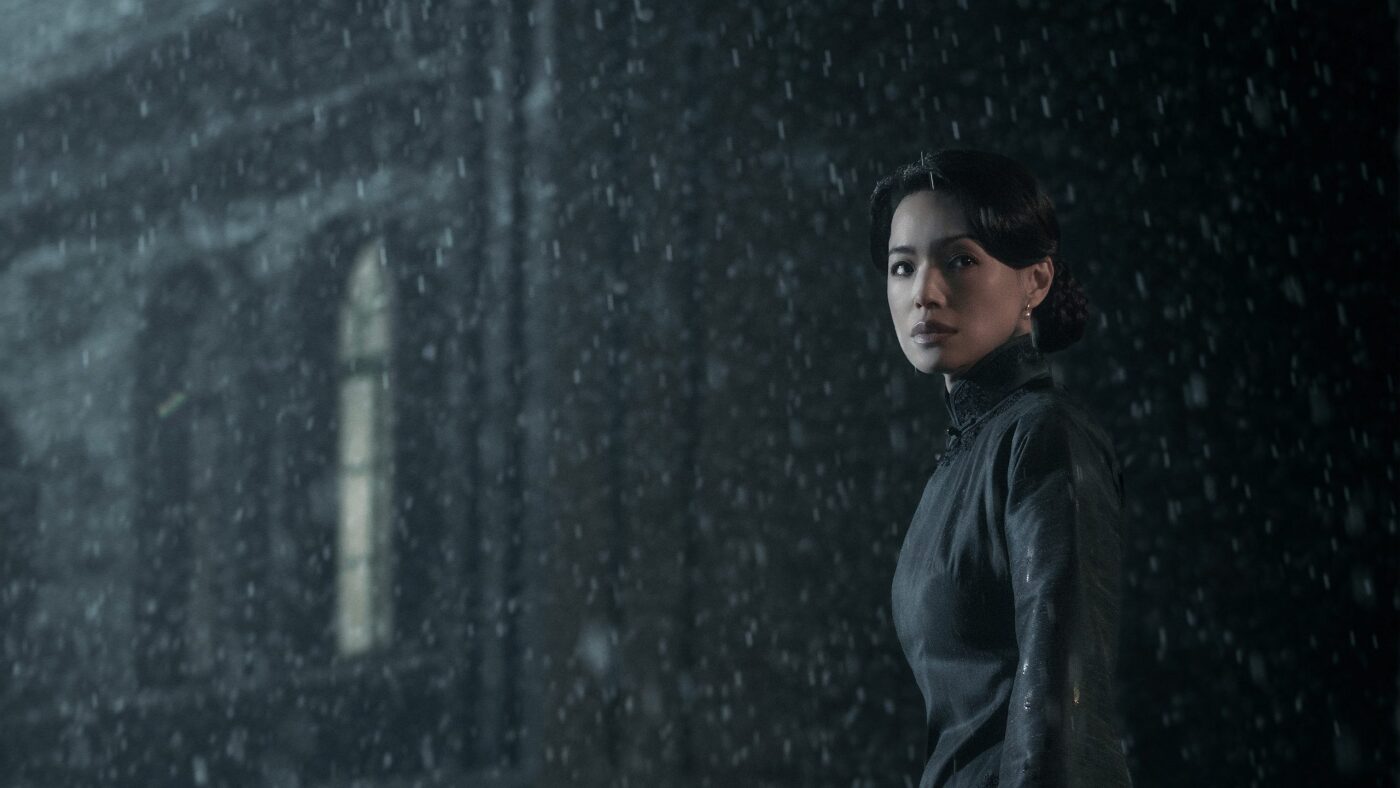
Director Bi Gan's latest film, Resurrection, delves into the realm of dreams, blurring the lines between fantasy and reality. The nearly three-hour movie explores a futuristic world where people can live indefinitely if they stop dreaming. The story follows The Big Other, played by Shu Qi, as she tries to prevent a Deliriant, portrayed by Jackson Yee, from dreaming. The film unfolds through a series of dream sequences set in different points in 20th century China, each drawing from various film styles and historical eras.
Resurrection's dream sequences transport the audience through different narratives, from a World War II crime noir to a doomed romance on New Year's Eve 1999. Each dream chapter pays homage to different film styles and historical contexts, creating a rich tapestry of cinematic experiences. The film's visual language shifts between German Expressionism and Hong Kong New Wave aesthetics, showcasing the diverse influences that shape the Deliriant's dreams.
Bi Gan's approach to filmmaking in Resurrection mirrors the fluidity of dreams, seamlessly transitioning between different realities and timelines. The movie challenges viewers to question the boundaries between imagination and reality, highlighting the transformative power of cinema. By immersing audiences in a dreamlike narrative, Bi prompts us to consider the importance of imagination and creativity in our lives. Resurrection invites us to explore the depths of our subconscious and embrace the endless possibilities of cinematic storytelling.