Navigating the Delicate Balance: Local Police, Federal Agents, and Community Trust in Minneapolis
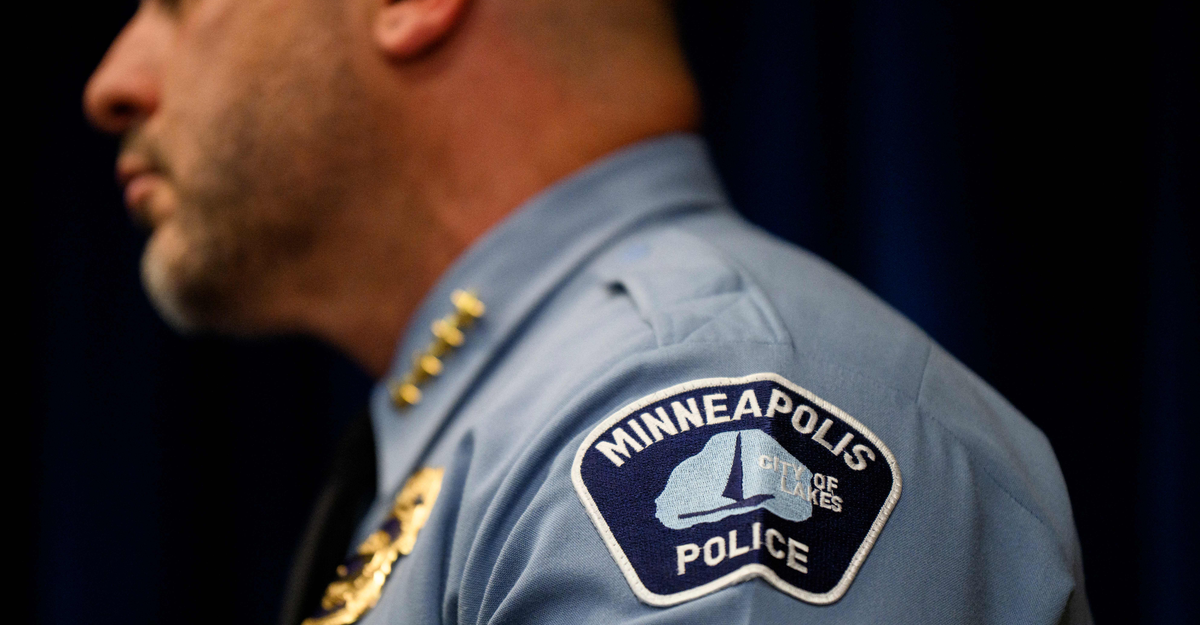
The recent clashes between federal agents and protesters in North Minneapolis have left community leader Michelle Gross feeling uneasy about the federal government's actions. Gross, who heads the nonprofit Communities United Against Police Brutality, expressed concerns about the trust between the community and law enforcement, especially in light of recent events involving ICE and other federal authorities. The delicate balance local police must strike between supporting federal agents and maintaining community trust has put them in a challenging position, as tensions continue to rise across the country.
Retired NYPD detective Jill Snider emphasized the importance of effective communication between local law enforcement and federal agents to navigate the current situation. With concerns about ICE operations in cities like Portland and states like Maine, where local law enforcement is not cooperating with federal officers, the strained relationship between the two entities is becoming increasingly apparent. The erosion of trust in communities like Minneapolis and Portland is a growing concern, as tensions escalate between local police and federal authorities.
The lack of understanding among regular citizens about the roles of local police and federal officials could lead to further complications in law enforcement efforts. Snider warned that if agencies operate independently or at odds with each other, it could deter people from reporting crimes or cooperating with law enforcement. The Minneapolis police department's efforts to improve community relations since the George Floyd shooting in 2020 may be challenged by recent events involving federal agents, raising concerns about the progress made in rebuilding trust with residents.
Minneapolis Mayor Jacob Frey criticized the actions of immigration agents, suggesting that the current situation is more about political retribution than safety or immigration enforcement. The tension between state Democratic leaders and federal officials was highlighted by Minnesota State House Republican Floor Leader Harry Niska, who called for a de-escalation of unnecessary conflicts. Local police find themselves caught in the middle of these disputes, trying to maintain a delicate balance while ensuring public safety and community trust.
Michael Burbank of the Center for Policing Equity stressed the need for improved communication, compassion, and transparency to address the challenges faced by local police in navigating the current climate. With the Minneapolis Police Department under scrutiny since the George Floyd case, the pressure on law enforcement to uphold community trust while dealing with federal agents has intensified. As the nation grapples with unprecedented crises, the outcome of these tensions will have far-reaching implications for the future of law enforcement and community relations.