Unveiling The Byrds' Jingle-Jangle Sound: A Fusion of Influences and Techniques
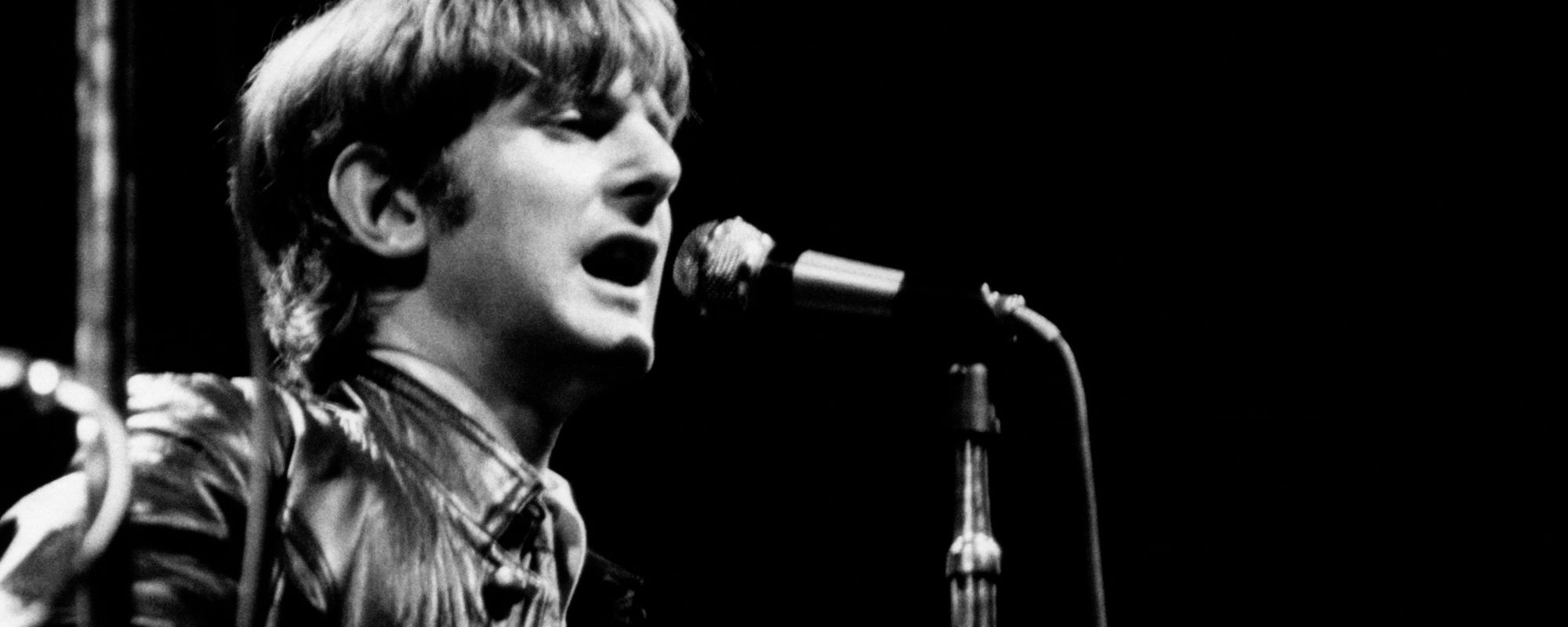
The iconic sound of The Byrds in the mid-1960s was a result of a perfect blend of influences and techniques. Roger McGuinn, the band's guitarist, drew inspiration from The Beatles and their use of a 12-string Rickenbacker 360 guitar. McGuinn's dedication to mastering this instrument and adopting banjo techniques for playing contributed to the unique sound that would define The Byrds' music.
The role of the studio engineer, Ray Gerhardt, was crucial in capturing The Byrds' jangly, folk-rock vibe. Gerhardt's use of compression during recording sessions not only protected the equipment but also enhanced the tone of McGuinn's Rickenbacker 360. The compression technique added sustain and a distinctive quality to the guitar's sound, creating the signature "jingle-jangle" tone that set The Byrds apart.
The combination of McGuinn's instrumental skills, the unique qualities of the Rickenbacker 360, and Gerhardt's innovative recording techniques culminated in The Byrds' unmistakable sound. The band's ability to blend influences, master their instruments, and work with skilled engineers like Gerhardt paved the way for their success and influence on the music of the 1960s and beyond.