Unveiling the Dystopian Future of 'Logan's Run': A Journey of Control, Freedom, and Discovery
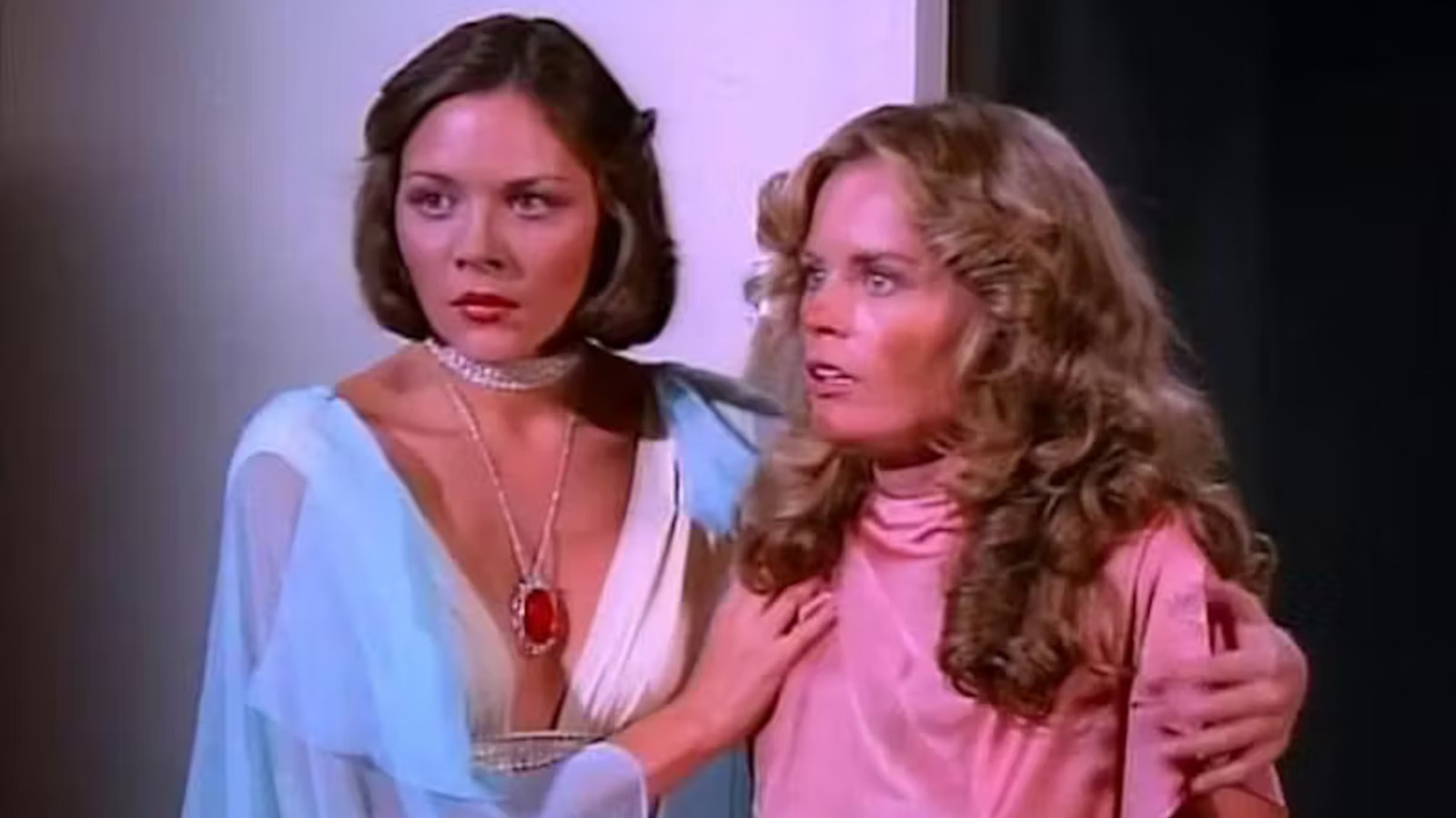
In 1976, director Michael Anderson brought the dystopian future of "Logan's Run" to life, based on the novel by William F. Nolan and George Clayton Johnson. The film is set in 2274, where overpopulation has led to a ruined environment, forcing humanity to live in dome-like enclosures. Citizens are required to undergo state-sanctioned execution at the age of 30, indicated by a glowing crystal in their palms. Those who try to escape face deadly consequences from the state cops known as Sandmen. The story follows Logan 5, played by Michael York, as he navigates a world where the truth about their existence is revealed.
The movie explores themes of control, freedom, and discovery as Logan and Jessica, played by Jenny Agutter, venture outside the domes to uncover the truth about their society. Despite its dated appearance, "Logan's Run" was a critical success, receiving multiple Academy Award nominations. The film serves as a cautionary tale for older generations, warning of the consequences of a society built on control and deception.
Following the success of the film, a "Logan's Run" TV series aired for a brief period from 1977 to 1978, expanding on the world established in the movie. Gregory Harrison and Heather Menzies took on the roles of Logan and Jessica, with D.C. Fontana, known for her work on "Star Trek," serving as a story editor and writer for the series. Fontana's contributions to sci-fi television, including her work on "Star Trek," solidified her as a legendary writer in the genre.
Fontana's collaboration with other "Star Trek" veterans on the "Logan's Run" TV series brought a unique perspective to the show, exploring new ideas and expanding on the original film's narrative. Despite its short run, the series delved into themes of exploration and survival, offering viewers a deeper look into the world of "Logan's Run." While the show may not have achieved the same level of success as the film, its legacy lives on through the contributions of Fontana and her team.
In conclusion, "Logan's Run" remains a timeless exploration of society, control, and the pursuit of truth in a dystopian future. The film and its TV series adaptation offer viewers a glimpse into a world where freedom comes at a cost, and the journey to uncover the truth is filled with danger and discovery. Fontana's influence on the series, along with the contributions of other sci-fi veterans, adds depth and complexity to the story, making "Logan's Run" a compelling tale of survival and rebellion in a world governed by fear and deception.