The Beatles and the Hare Krishna Movement: George Harrison's Influence on the 1960s Counterculture
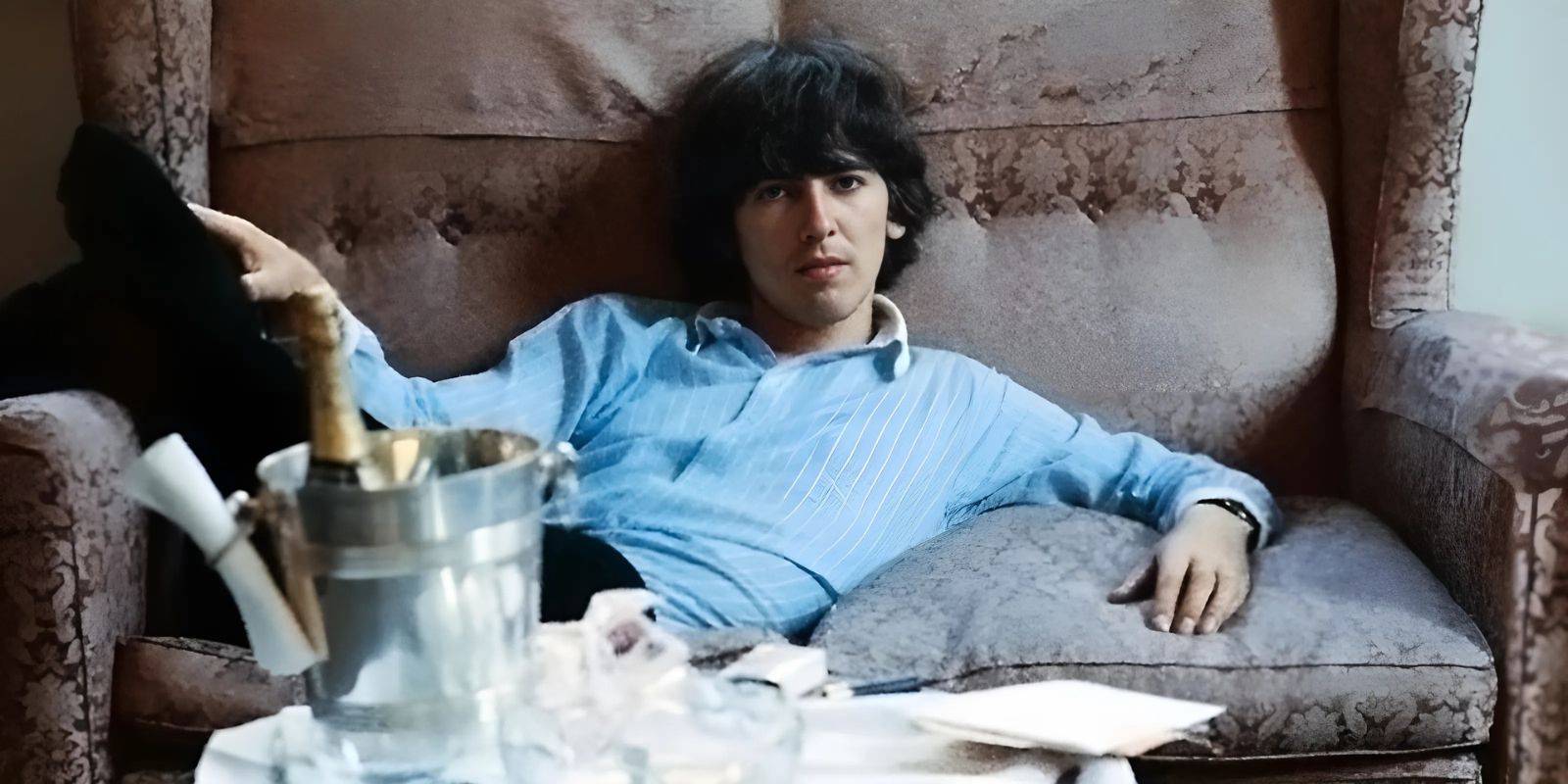
The 1960s and 1970s were marked by significant cultural shifts in the United States, with movements like the hippie movement advocating for ideals such as racial and gender equality, sexual liberation, communal living, and the use of psychedelics. This era also saw the rise of cults, with prominent musicians like George Harrison of The Beatles aligning themselves with groups like the Hare Krishna movement, which preached pantheistic Hinduism and vegetarianism.
The Hare Krishna Movement, also known as the International Society for Krishna Consciousness (ISKCON), was founded in 1966 in New York City by A. C. Bhaktivedanta Swami Prabhupada. This pacifist movement is based on Hindu texts like the Bhagavad Gita and promotes a strict ethical code, vegetarianism, and devotional practices. Despite its growth and global following, ISKCON has faced controversies related to brainwashing, sexual assault, and abuse within its schools.
George Harrison's involvement with the Hare Krishna movement was significant, as he became a devoted supporter and helped fund the movement's growth. Harrison's influence extended to his music, with songs like "My Sweet Lord" incorporating the Hare Krishna mantra. While some criticized his association with ISKCON, Harrison remained a lifelong believer and advocate for vegetarianism, showcasing the impact of the hippie movement on The Beatles and their cultural legacy.
In conclusion, George Harrison's connection to the Hare Krishna movement reflects the influence of the hippie movement on The Beatles during the 1960s. Despite controversies surrounding ISKCON, Harrison's unwavering support and contributions to the movement underscore the band's deep ties to the cultural shifts of the era.