Securing the Future of the BBC: Challenges and Solutions for Sustainable Funding
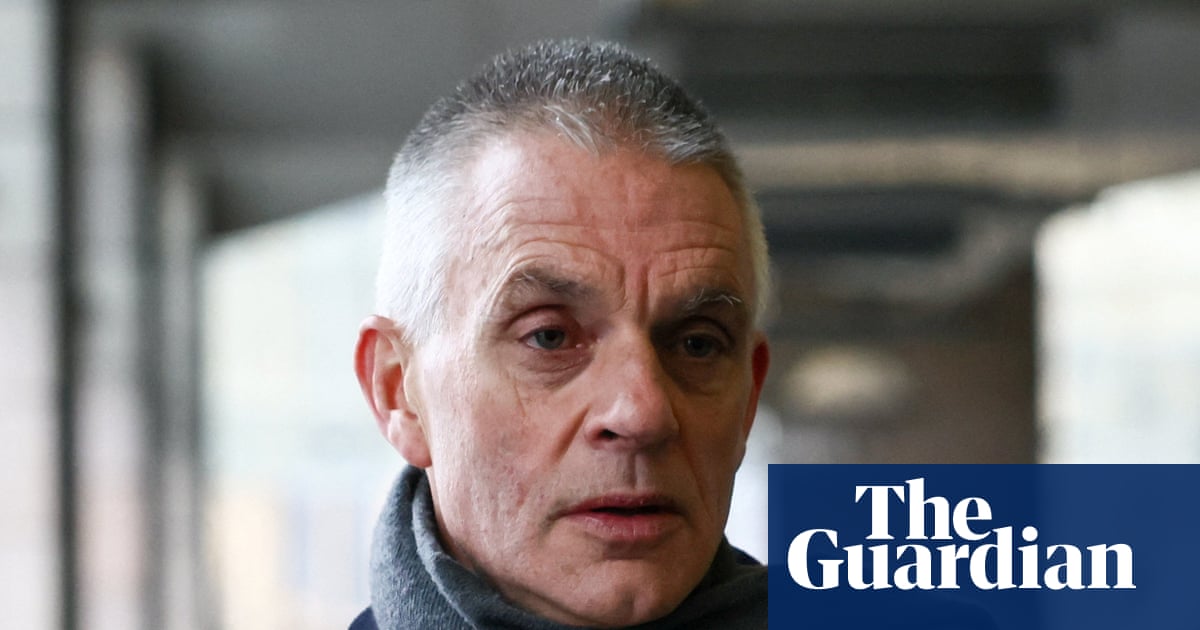
The future of the BBC is at risk unless significant changes are made to its funding model, according to the outgoing director general, Tim Davie. He emphasized the need for reform to ensure the broadcaster's sustainability and flexibility in providing services. Davie rejected the idea of funding the BBC through advertising or subscriptions, stating that it would compromise its universal service nature.
The BBC is exploring ways to make the licence fee more progressive, with suggestions like a household levy collected through council tax. This approach aims to address payment issues and potentially reduce costs for lower-income groups. However, it could be controversial as it may eliminate the option for households to opt out of paying the levy.
Davie expressed opposition to a hybrid funding system that would split the BBC by genre, as it could diminish the importance of public service broadcasting. He stressed the need for governance reform to enhance the broadcaster's independence and address concerns about political interference.
As discussions on the BBC's future charter and funding begin, Davie highlighted the financial challenges the broadcaster faces, including the declining real value of the licence fee and increasing non-payment rates. He called for more flexibility from the government and regulators to allow the BBC to innovate in the digital media landscape.
Davie warned that the BBC is in "profound jeopardy" and emphasized the importance of standing up and fighting for its relevance and survival. He noted the decline of public service media globally and its impact on societal values. The search for Davie's successor, who will lead negotiations on the new charter, is ongoing, with potential candidates including Jay Hunt, Charlotte Moore, and Alex Mahon.