Unveiling the Political Parallels: Van Halen's '1984' Album as a Mirror of Today's Political Landscape
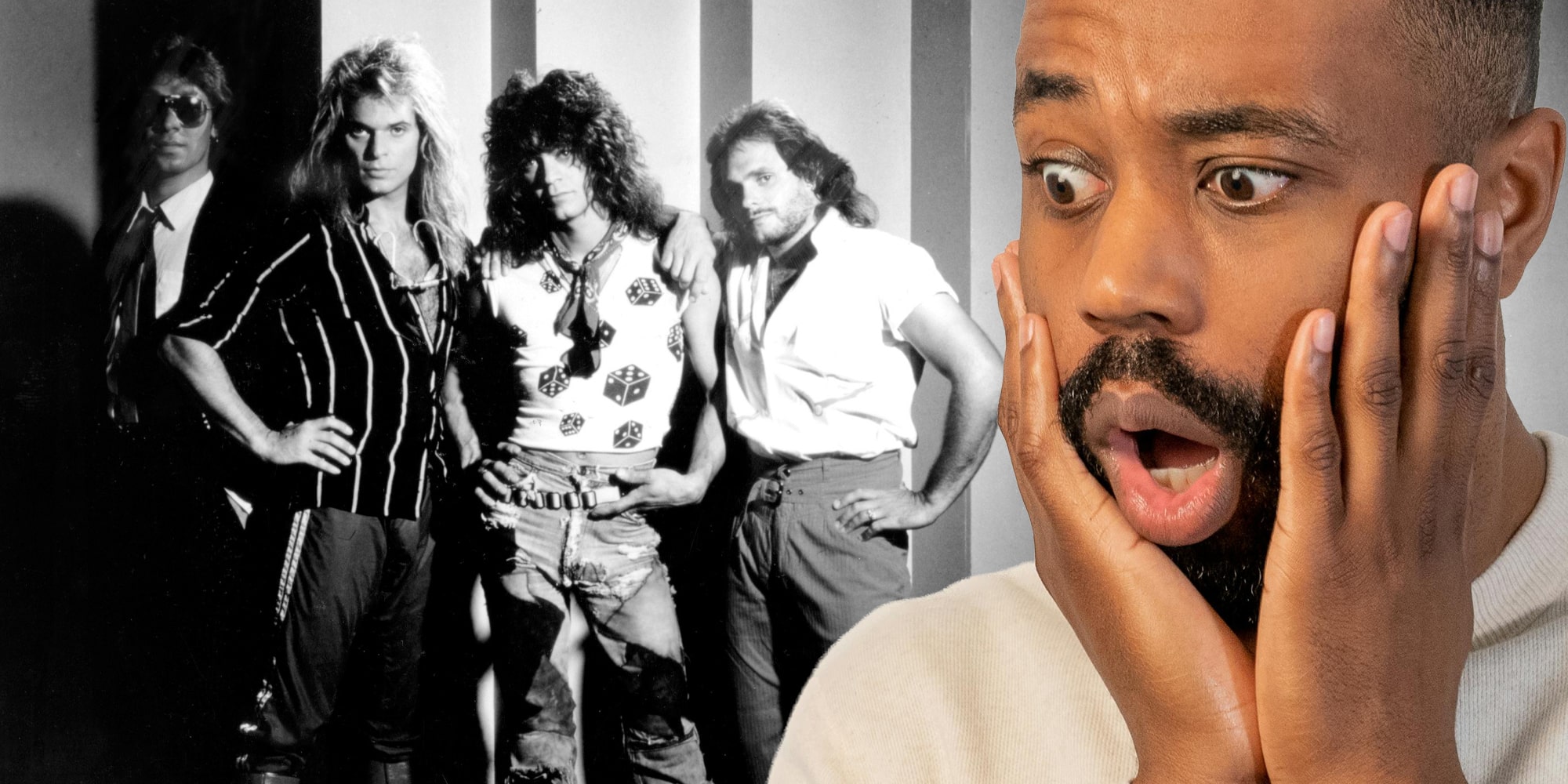
In the realm of online political discussions, comparisons are often drawn between the rise of fascism, the manipulation of truth, and the use of doublespeak by political figures to George Orwell's "1984." However, in this context, "1984" actually refers to the iconic album released by Van Halen in 1984. The album's lyrics seem to eerily mirror some aspects of our current political landscape, almost as if lead singer David Lee Roth had a prophetic vision of the future when writing songs like "Jump" and "Panama."
"Jump" delves into themes of male loneliness, with young men feeling isolated and misunderstood, eventually finding solace in extreme ideologies. On the other hand, "Panama" can be interpreted as a commentary on recent political events, with references to Trump's actions in Venezuela cleverly woven into the lyrics. Despite the geographical differences between Panama and Venezuela, the songs draw parallels between the two countries.
"Hot for Teacher" may have been inspired by real-life scandals involving teachers, while "House of Pain" stands out as a non-political anthem on the album. It's unfortunate that some states have banned the album "1984" when it could serve as a valuable educational tool. The album cover's imagery, including the smoking angel baby with a hairstyle reminiscent of Trump, adds another layer of intrigue to the album's relevance.
Interestingly, many online users seem to be unaware of "1984" as a classic rock album, only recognizing it as a political reference. Some even mistakenly attribute songs like "2+2=5" to Van Halen, when in reality, it's a track by Radiohead. The lack of familiarity with the album's content is concerning, especially considering its recognition as one of the greatest albums of all time by Rolling Stone.
It's disheartening to see the public engage in divisive conversations without fully understanding the cultural references being made. The ruling class benefits from keeping the population uninformed and easily swayed, as highlighted in the lyrics of "I'll Wait." Perhaps it's time for individuals to delve deeper into the art and music that shapes our society, rather than relying on surface-level interpretations.