Days Of Future Passed: The Moody Blues' Musical Evolution and Legacy
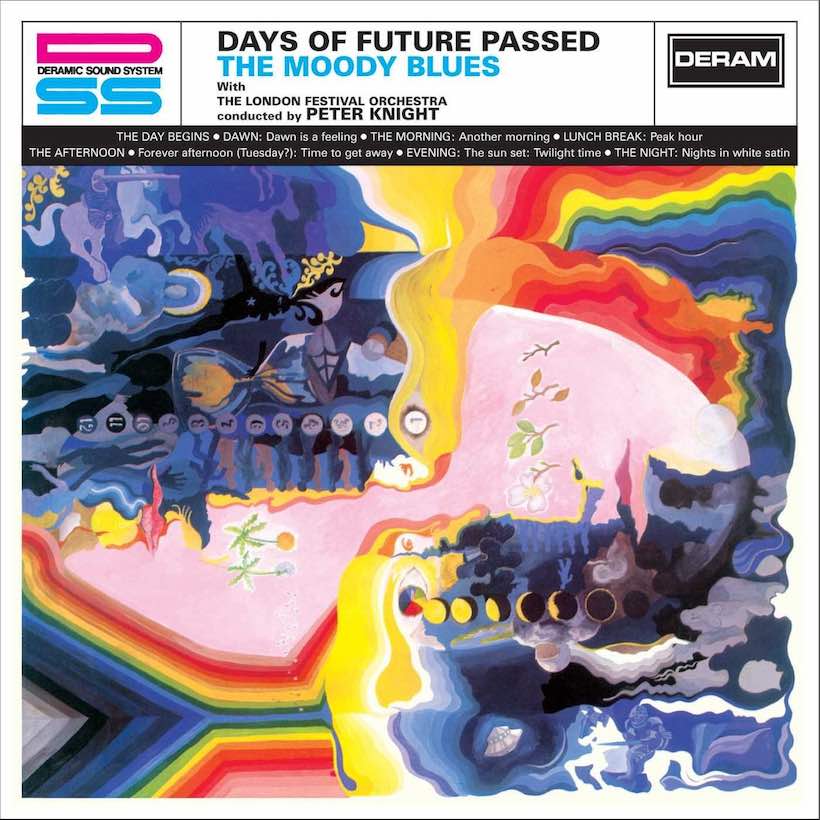
The Moody Blues embarked on a new musical journey with the release of their album "Days Of Future Passed" on January 27, 1968. This marked a significant shift in their career, moving away from their earlier beat band sound. The addition of singer-songwriters Justin Hayward and John Lodge transformed the group's musical direction. Despite initial struggles, the support of A&R man Hugh Mendl helped the band stay afloat.
The decision to create a symphonic album featuring their own songs instead of an orchestral rock version of Dvořák’s Symphony No.9 proved to be a turning point for the Moody Blues. With producer Tony Clarke, engineer Derek Varnals, and arranger Peter Knight on board, the band crafted a groundbreaking album that showcased their talent and creativity. The release of the iconic track "Nights In White Satin" in November 1967 generated interest in the album.
Although "Days Of Future Passed" initially had modest success on the UK charts, peaking at No.27, it laid the foundation for the Moody Blues' future success in the album rock market. The album's unique sound and innovative approach set the stage for their subsequent releases, including the successful "In Search Of The Lost Chord." The Moody Blues' legacy as writers and performers of depth and imagination was solidified by this album.
Experience the timeless music of The Moody Blues on limited edition vinyl and CDs. The band's journey from a beat band to a pioneering album rock group is a testament to their musical evolution and enduring impact on the music industry.