Unveiling the Beatles' Avant-Garde Experiment: The Story of "Carnival of Light
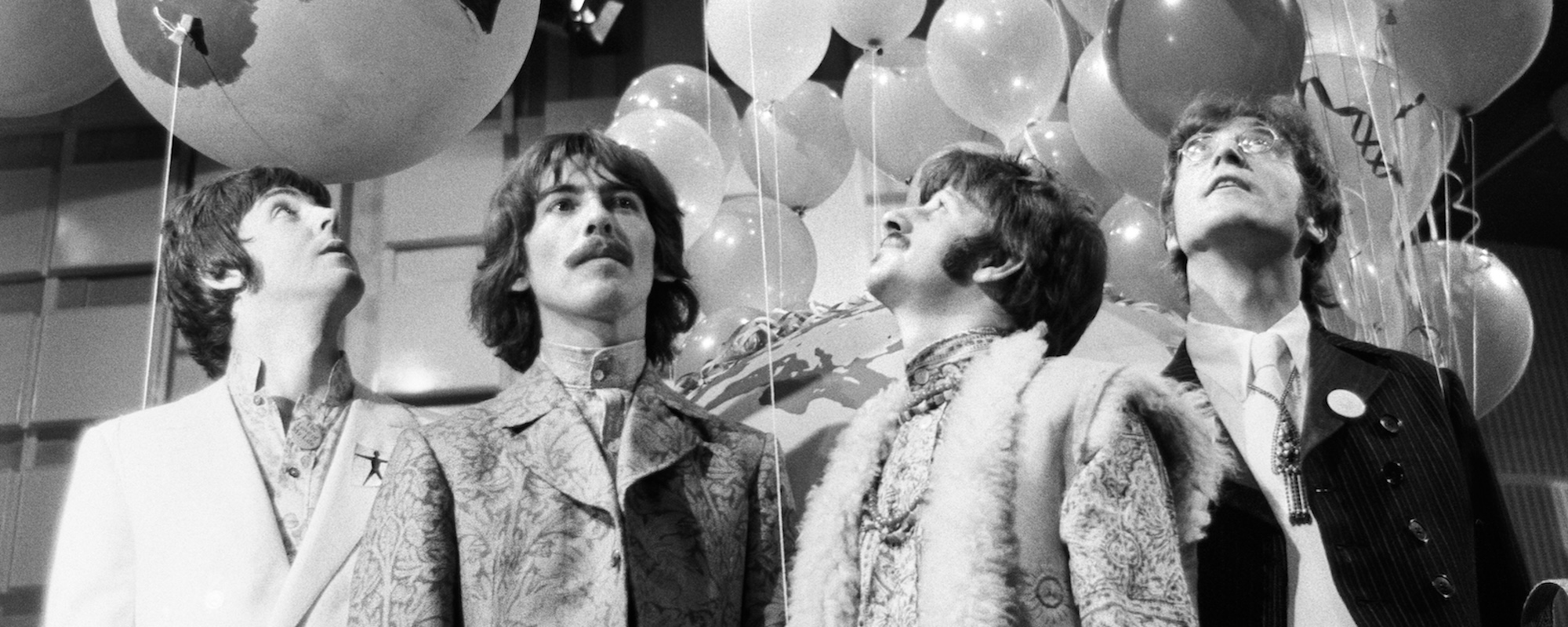
Paul McCartney once instructed the Beatles to create an avant-garde song called “Carnival of Light” by encouraging them to experiment freely with various instruments and sounds. The 14-minute track was recorded during the band’s “Penny Lane” sessions at Abbey Road Studios in 1967 and was intended for a specific event at the Roundhouse Theatre in London.
Inspired by experimental composers Karlheinz Stockhausen and John Cage, “Carnival of Light” features unconventional elements such as gargled sounds, distorted guitars, and random vocal bursts. Despite its experimental nature, the song was never officially released by the Beatles but was played once during the Roundhouse event.
Barry Miles, who approached the Beatles about producing a track for the event, described “Carnival of Light” as having no rhythm and containing bursts of feedback guitar and other unconventional elements. The song's musical pattern includes random sounds, echoes, and layers of different instruments, creating a fragmented and abstract composition.
McCartney, who was fond of the song, hoped to release it at some point, but his attempts to include it on the Beatles’ compilation “Anthology 2” were vetoed by Ringo Starr, George Harrison, and Yoko Ono. Despite McCartney's efforts to have the song released, “Carnival of Light” remains locked away and unheard by the public.
In conclusion, “Carnival of Light” stands as a unique and experimental piece in the Beatles’ catalog, showcasing their willingness to explore unconventional musical territories. While the song has yet to be officially released, its legacy as a daring and avant-garde creation by the iconic band continues to intrigue fans and music enthusiasts alike.