Airport Screening Measures for Nipah Virus in Asia: What You Need to Know
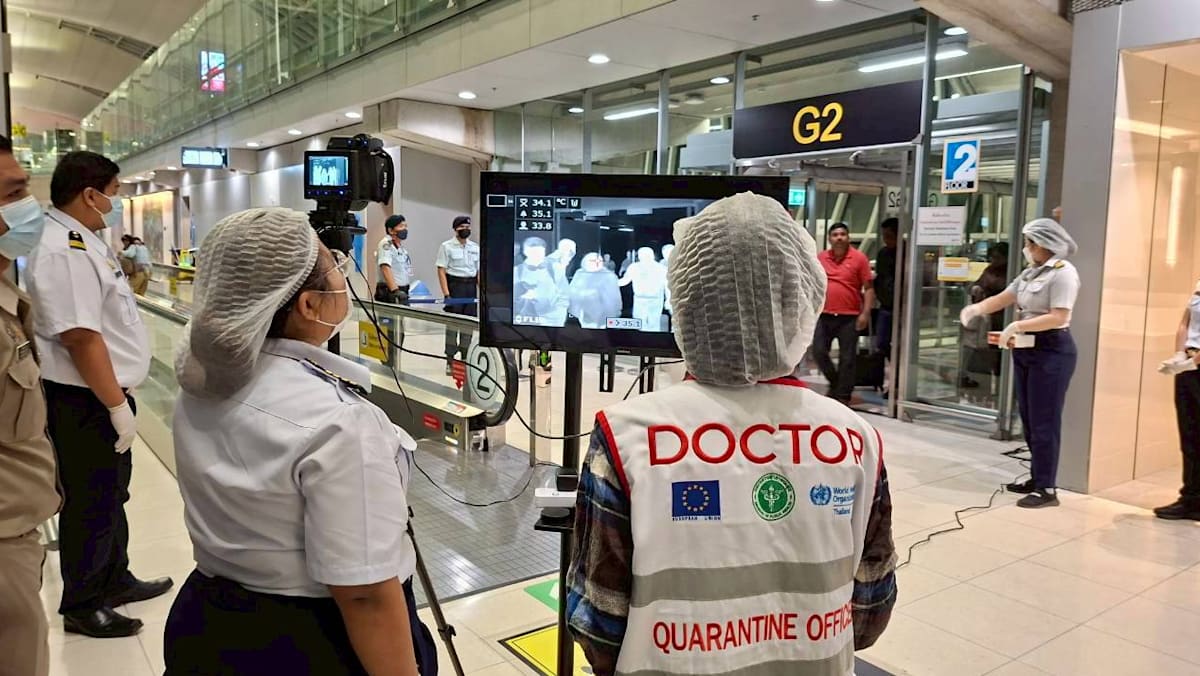
Authorities in Asia have increased airport screening measures for the Nipah virus following an outbreak in India's West Bengal state. The virus, which can be transmitted from animals to humans, has infected at least five people in India, with one in critical condition. Symptoms of Nipah virus include flu-like illness, headache, fever, sore throat, muscle ache, vomiting, dizziness, and drowsiness. The virus can lead to serious complications such as encephalitis or meningitis, with a high mortality rate.
The Nipah virus was first identified in Malaysia and Singapore in 1998-1999, affecting pig farms and abattoir workers. Subsequent outbreaks have occurred in western Bangladesh, Kerala, and West Bengal in India. The risk of Nipah virus transmission is lower compared to COVID-19, with a basic reproduction number of 0.5. There is currently no proven treatment or vaccine available for the Nipah virus, and treatment is limited to supportive care for severe infections.
Several countries have implemented screening measures for travelers arriving from affected areas in India. Thailand, Cambodia, Nepal, and Indonesia have initiated screening at airports, while Malaysia has assured its readiness to respond to any potential cases. The Singapore government is confident in its ability to contain the spread of the virus if necessary. Indian authorities have contained the virus in West Bengal through enhanced surveillance, testing, and field investigations.
The risk for tourists visiting endemic countries is low if standard precautions are followed. Prevention measures for those traveling to endemic areas include avoiding exposure to the virus. It is essential to stay informed about the latest developments and follow public health guidelines to protect against the Nipah virus.