Examining Tactical Decision-Making and Use of Force: Insights from Recent Border Patrol Shooting Incident
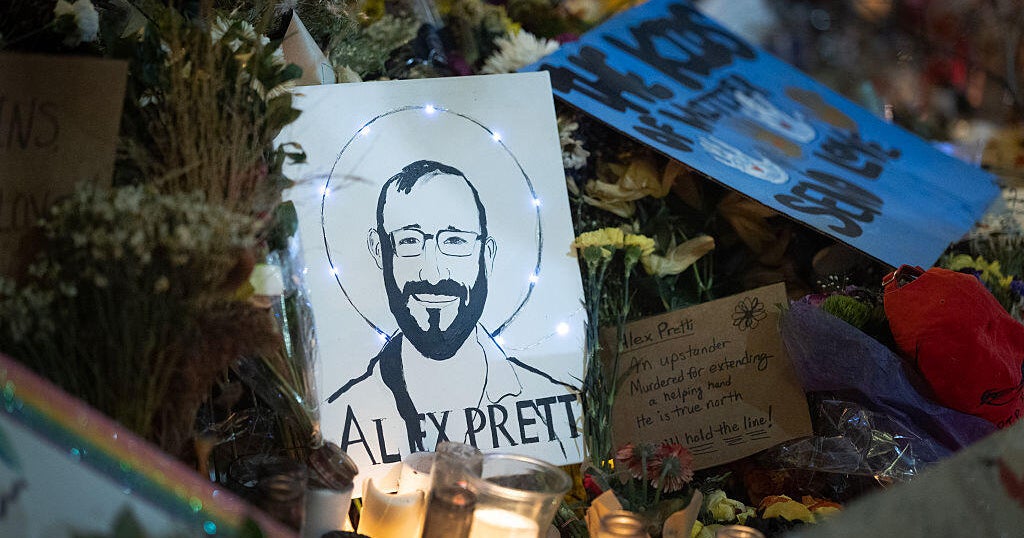
The recent fatal shooting of Alex Pretti by U.S. Customs and Border Protection officers has sparked concerns about their tactical decision-making and use of force. A former federal law enforcement trainer, Marc Brown, criticized the officers' decision to confront Pretti, who was filming a deportation operation with his cellphone. Brown questioned the use of Oleoresin Capsicum spray in a crowded area, calling it tactically risky. He also raised doubts about the escalation that led to the shooting, emphasizing the need for a clear imminent threat before resorting to deadly force.
New information revealed that two U.S. Customs and Border Protection agents fired their weapons during the fatal shooting of Alex Pretti. The report contradicted initial accounts and raised questions about the officers' tactical approach. Brown highlighted the importance of disengaging once the mission is complete and criticized the officers' prolonged engagement with crowds or protesters. The training of Department of Homeland Security law enforcement officers has come under scrutiny following the recent shooting incidents in Minneapolis.
U.S. Immigrations and Customs Enforcement has been actively recruiting agents and restructuring its training program to meet hiring demands. The presence of ICE, Homeland Security Investigations, and U.S. Customs and Border Protection agents in the Twin Cities has raised concerns about their handling of deportation operations. The incidents involving Renee Good and Alex Pretti have underscored the need for enhanced training and de-escalation tactics for federal agents operating in urban areas.
Caleb Vitello, a former ICE director, emphasized the importance of de-escalation and proper identification by law enforcement officers during encounters with civilians. He outlined the use of force continuum, which includes verbal commands and less-than-lethal weapons before resorting to deadly force. Vitello stressed the need for clear communication and proper training to minimize risks during law enforcement operations.
The use of Oleoresin Capsicum spray, also known as pepper spray, as a soft technique was discussed by Vitello, who highlighted its intended use for passive non-compliant subjects. He emphasized the importance of maintaining a safe distance and targeting specific areas to incapacitate individuals without causing severe harm. Vitello's insights shed light on the training protocols and guidelines followed by law enforcement officers in handling potentially volatile situations.
In light of recent incidents and public scrutiny, there is a growing demand for enhanced training and accountability measures for federal law enforcement agencies. The need for clear guidelines on the use of force, de-escalation tactics, and proper identification during operations has become paramount. As federal agents navigate complex urban environments and civil unrest situations, the emphasis on training and adherence to established protocols is crucial to ensuring public safety and maintaining trust within communities.