Uncovering the Black Legacy in Country Music: Recognizing the Contributions of Charley Pride and Other Black Artists
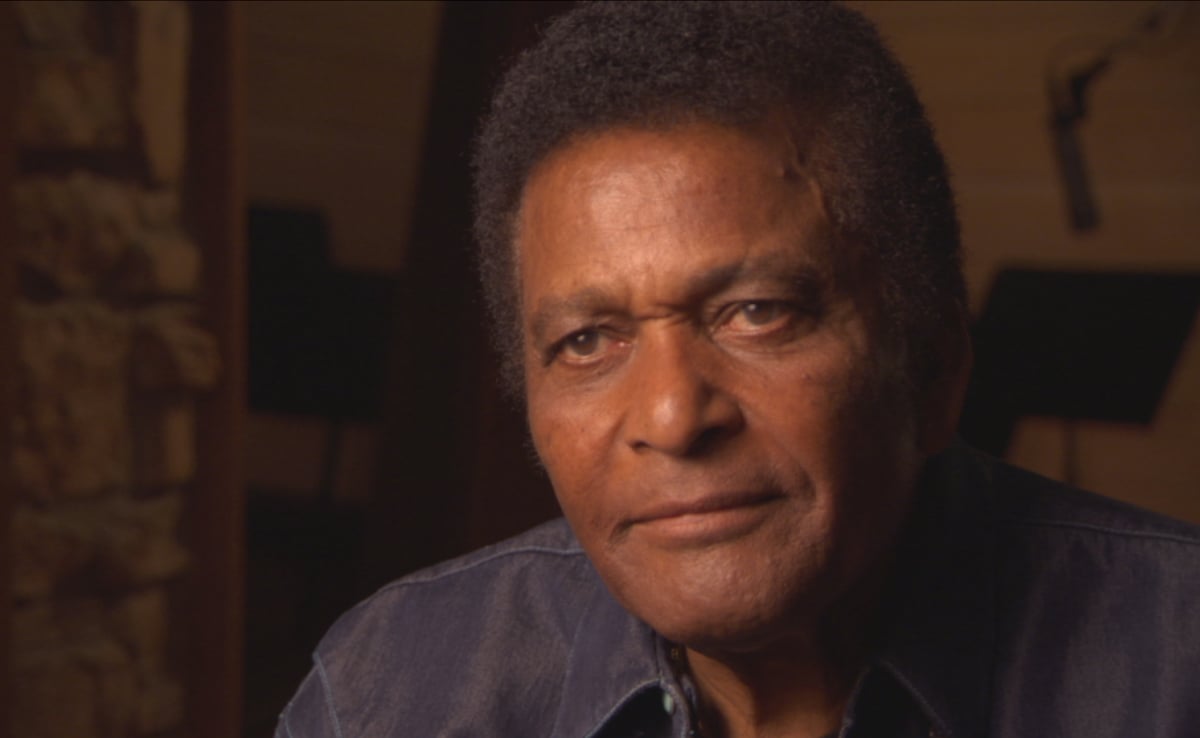
Country music has a rich history that includes significant contributions from Black artists, yet this aspect is often overlooked in discussions of Black History Month. Charley Pride, often referred to as the Jackie Robinson of country music, played a crucial role in integrating the genre. Despite his numerous achievements, including 29 No. 1 songs and being the first to win the CMA's Male Vocalist of the Year back to back, Pride's legacy is not widely recognized in Black History Month curriculum.
Other Black artists, such as harmonica maestro DeFord Bailey, Ray Charles, Hank Williams mentor Rufus "Tee-Tot" Payne, Leslie Riddle, Linda Martell, and Stoney Edwards, have also made significant contributions to country music. However, their stories are often left out of mainstream narratives about Black history in America.
While Black History Month typically focuses on well-known figures like Martin Luther King Jr. and Rosa Parks, the contributions of Black artists to country music are rarely discussed in educational settings. This exclusion perpetuates the misconception that country music is solely the domain of White people, despite its diverse and inclusive history.
In recent years, there has been a growing awareness of the Black legacy in country music, fueled by artists like Lil Nas X and Beyoncé. While some have attempted to reclaim this history, there have also been misguided attempts to rewrite the narrative, suggesting that country music was originally a Black art form appropriated by White artists.
Rather than engaging in divisive rhetoric, it is essential to acknowledge the shared heritage of country music and ensure that all Americans are educated about its diverse origins. By recognizing the contributions of Black artists like Charley Pride and highlighting the multicultural influences that have shaped the genre, we can promote a more inclusive and accurate understanding of country music's history.
Country music is a melting pot of influences, with contributions from artists of various backgrounds. While White artists have historically dominated the genre, it is important to recognize the vital role that Black artists have played in shaping its evolution. By celebrating the diversity of country music and acknowledging the contributions of all artists, we can ensure that its legacy is preserved for future generations.