Hope Restored: Adam's Journey with Casgevy Gene Therapy for Thalassaemia
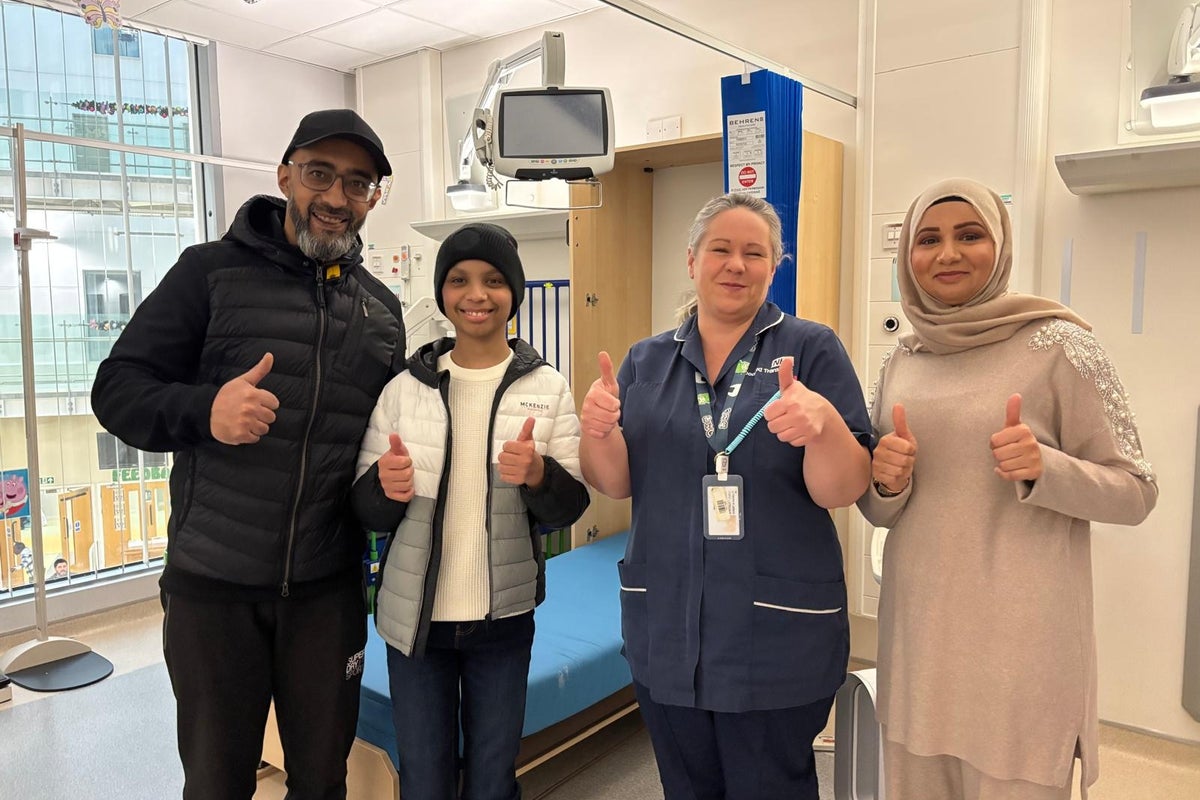
A young boy in the UK was one of the first recipients of a groundbreaking gene-editing treatment called Casgevy, designed to cure the blood disorder thalassaemia. The therapy, using the Crispr gene-editing tool, edits faulty genes in a patient's stem cells to produce healthy red blood cells. Adam Rehman, 13, underwent this treatment, which costs £1.65 million per patient, but the actual cost may be lower due to a confidential agreement between the NHS and the manufacturer Vertex.
Adam was born with beta-thalassaemia, a condition that affects oxygen transport in the body, leading to symptoms like anaemia and chronic pain. He relied on monthly blood transfusions since he was eight months old, as no suitable stem cell match could be found for him. In November 2024, Adam received the gene therapy, which involved collecting his stem cells, applying Crispr technology in a laboratory, and infusing the edited cells back into his body to produce healthy red blood cells.
The treatment offers hope for patients who need a stem cell transplant but lack a donor. Adam recently visited the hospital where he received treatment and reunited with Clair Baron, an NHSBT nurse who cared for him during his time at the hospital. Adam expressed his gratitude towards Clair and the medical team for helping him regain his freedom and health. His father also shared his appreciation for the care Adam received during his treatment journey.
Clair Baron, the NHSBT nurse, was delighted to see Adam doing well and enjoying activities he couldn't before the treatment. She mentioned that the gene therapy had given Adam his life back, and she felt honored to be part of his story. Teresa Baines, head of therapeutic apheresis services at NHS Blood and Transplant, highlighted the importance of gene therapies in transforming patients' lives and expressed pride in the work done by the TAS teams in setting patients on their treatment journey. Adam's progress and positive outcome serve as a testament to the life-changing impact of gene therapies.