Phaedra: Tangerine Dream's Journey from Criticism to Chart Success
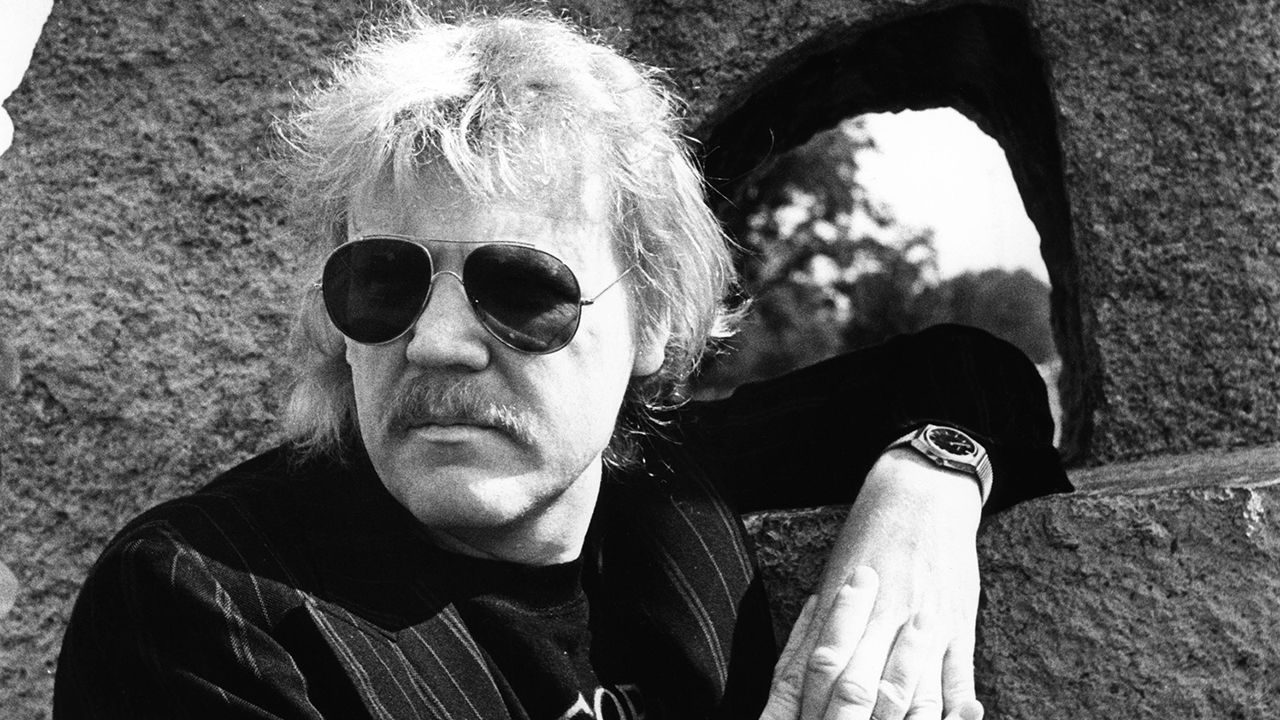
Tangerine Dream, a German electronic music band, faced harsh criticism from the British music press in the 1970s but defied expectations by achieving chart success with their instrumental album "Phaedra." The band's unique sound, characterized by Moogs and synthesizers, was a departure from traditional rock music, leading to negative reviews from critics like Steve Lake of Melody Maker. Despite the initial rejection, Tangerine Dream's international breakthrough with "Phaedra" marked a turning point in their career.
The band's unconventional approach to music was influenced by encounters with artists like Salvador Dalí, who invited them to perform at his villa in Spain. Dalí's philosophy of going against public preferences inspired Tangerine Dream to push boundaries in their music, leading to experimentation with electronic textures and ambient moods. The band's lineup evolved over the years, with Edgar Froese, Christopher Franke, and Peter Baumann playing key roles in shaping their sound.
Tangerine Dream's partnership with Richard Branson's Virgin Records in the early 1970s was instrumental in their commercial success. Albums like "Phaedra" and "Rubycon" showcased the band's innovative use of Moog modular systems and sequencers, setting them apart from their contemporaries. Despite facing challenges during live performances, including audience walkouts and criticism, Tangerine Dream continued to push the boundaries of electronic music.
The classic Tangerine Dream lineup disbanded in 1977, with Baumann pursuing a solo career and Franke eventually leaving the band. Froese continued to lead Tangerine Dream, releasing solo albums and soundtracks while maintaining the band's legacy. The Virgin albums of the 1970s remain a testament to Tangerine Dream's pioneering spirit and commitment to sonic exploration.