Exploring Led Zeppelin's Musical Evolution: From 'Whole Lotta Love' to 'Living Loving Maid
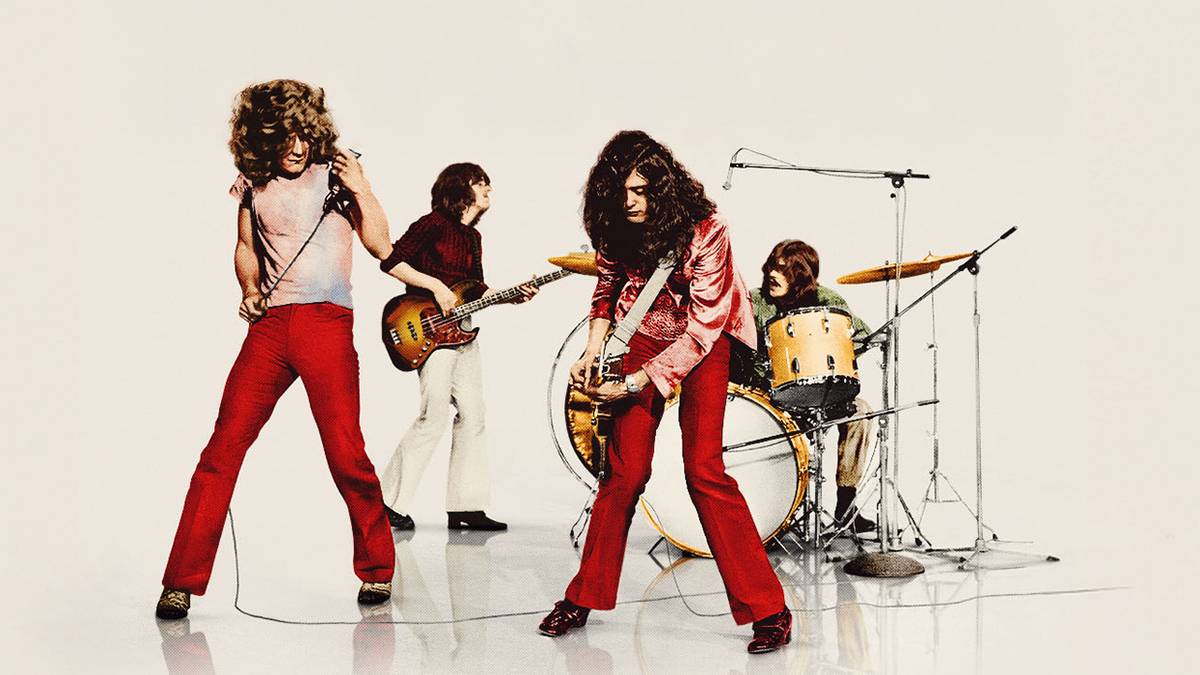
In 1968, the British music scene was shaken up by the emergence of Led Zeppelin, a band that brought a heavier and punchier sound compared to the prevailing trends of the time. Led Zeppelin, comprising Jimmy Page, John Bonham, Robert Plant, and John Paul Jones, quickly gained attention with their self-titled debut album in 1969. The release of their second album, Led Zeppelin II, featuring the hit song "Whole Lotta Love," further solidified their place in rock history. However, not all songs from the band were met with the same enthusiasm, as was the case with a particular Led Zeppelin track that failed to meet the band's expectations.
Every band, including Led Zeppelin, has ventured into creating radio-friendly songs, sometimes resulting in mixed feelings among band members. "Living Loving Maid (She's Just a Woman)" from Led Zeppelin II is one such example. Despite its catchy tune and lyrics describing a groupie, the song did not achieve the same level of success as "Whole Lotta Love." Guitarist Jimmy Page has even expressed his dislike for the track, hinting that it may have leaned too much towards pop music for his liking. While the song showcases the band's familiarity with the subject matter, it lacks the depth and technical prowess found in other Led Zeppelin tracks.
Despite Page's reservations, lead vocalist Robert Plant seemed to have a fondness for "Living Loving Maid." He even incorporated the song into his solo performances, indicating a personal connection to the track. The seamless transition between "Heartbreaker" and "Living Loving Maid" on Led Zeppelin II enhances the listening experience, with the latter serving as a groovy interlude between two high-energy tracks. Plant's interest in J.R.R. Tolkien's fantasy world is also evident in Led Zeppelin's music, particularly in the song "Ramble On," which features direct references to Tolkien's works.
Plant's admiration for Tolkien's writing style influenced Led Zeppelin's musical direction, leading to a more folk-inspired sound on their subsequent album, Led Zeppelin III. This shift towards acoustic and experimental music marked a departure from their earlier hard rock sound, showcasing the band's versatility and creativity. While the change divided fans, it ultimately solidified Led Zeppelin's status as rock legends, paving the way for their enduring legacy in the world of music.