Immersive Experiences: The Evolution of Sports Marketing in the NHL
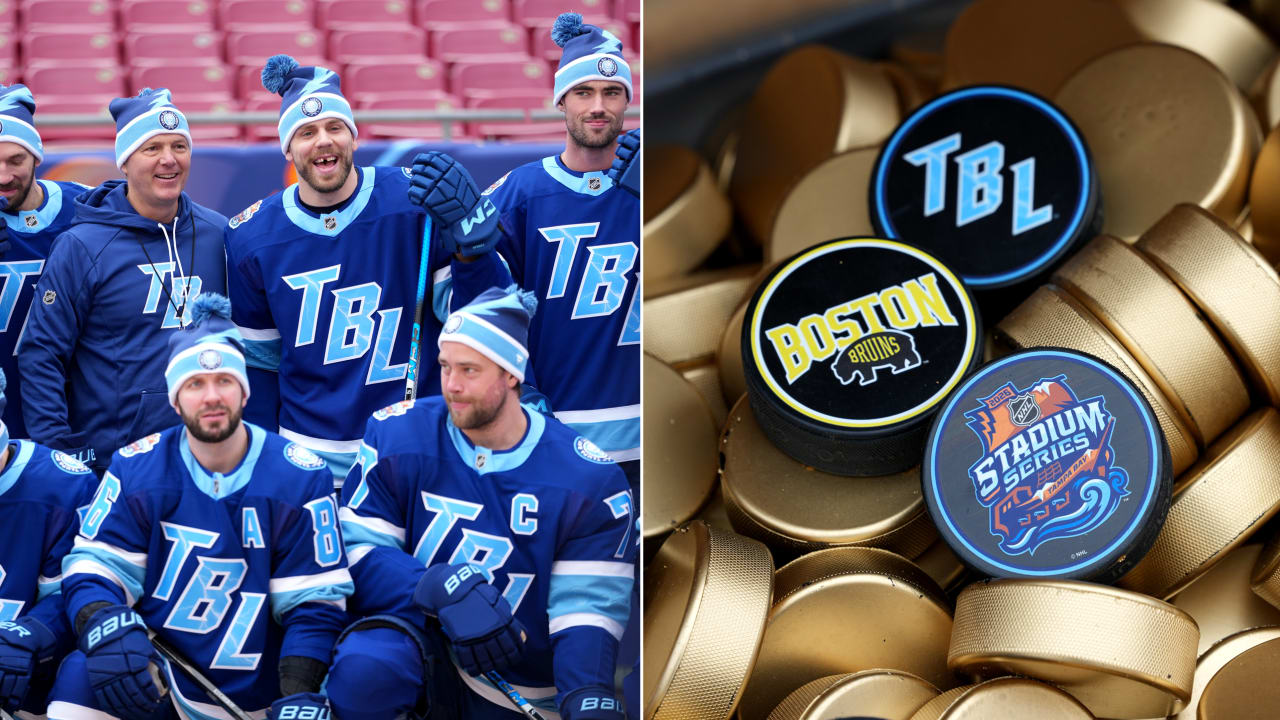
The upcoming NHL Stadium Series game between the Tampa Bay Lightning and Boston Bruins is not just a hockey game; it is a meticulously planned experience. Incorporating 25 costumed pirates as a nod to Tampa's Gasparilla tradition showcases a growing trend in professional sports: emphasizing the fan experience beyond the game itself. Teams are now focusing on immersing fans in the narrative, history, and culture surrounding the sport to attract and retain audiences.
For years, sports were primarily about showcasing athletic talent. However, teams are now actively seeking ways to engage fans in the storylines, traditions, and local culture related to the game. The Gasparilla connection is a prime example of leveraging a local tradition to create a unique event that resonates with the community and adds layers of entertainment. This shift is a response to the increasing competition from other entertainment options and the fragmentation of attention spans.
The success of venues like the Dallas Cowboys' AT&T Stadium, which hosts various events beyond football games, demonstrates the shift towards creating destinations rather than just venues. Themed nights, such as 80s night or Star Wars night, are aimed at broadening appeal and creating memorable experiences for fans. According to a 2023 report by Deloitte, 65% of consumers prioritize experiences over material possessions, influencing sports marketing strategies significantly.
The NHL's emphasis on game statistics, such as Vasilevskiy's GAA or Kucherov's points, serves not only analysts but also enhances the fan experience. Teams are utilizing data to personalize content, offer targeted promotions, and adjust in-game entertainment based on real-time fan reactions. The Sacramento Kings' data-driven approach to fan engagement has led to increased ticket sales and fan satisfaction, showcasing the importance of personalization in sports marketing.
Hosting NHL games in open football stadiums like Raymond James Stadium reflects the trend of expanding the physical boundaries of sports. Outdoor games like the Winter Classic and Stadium Series create buzz, attract new audiences, and offer a different visual spectacle and relaxed atmosphere. Bringing sports to non-traditional venues, such as basketball games on aircraft carriers or soccer matches in iconic landmarks, generates unique narratives and global attention, despite logistical challenges.
Entertainment has become increasingly important in sports events, as seen with Tim McGraw's performance during the first intermission of the NHL game. Half-time shows have evolved into full-blown concerts featuring A-list artists to attract a broader demographic and create a festival-like atmosphere. Teams are leveraging social media to enhance the entertainment experience through live streaming performances, behind-the-scenes content, and interactive polls.
In conclusion, the evolving landscape of sports marketing emphasizes creating immersive and memorable experiences for fans beyond just watching the game. With a focus on personalization, data-driven strategies, and expanding physical boundaries, sports teams are adapting to meet the changing preferences of audiences. Expect to see more outdoor games and innovative approaches to fan engagement in the future.