John Lennon's Artistic Tribute: The 1952 FA Cup Final Connection
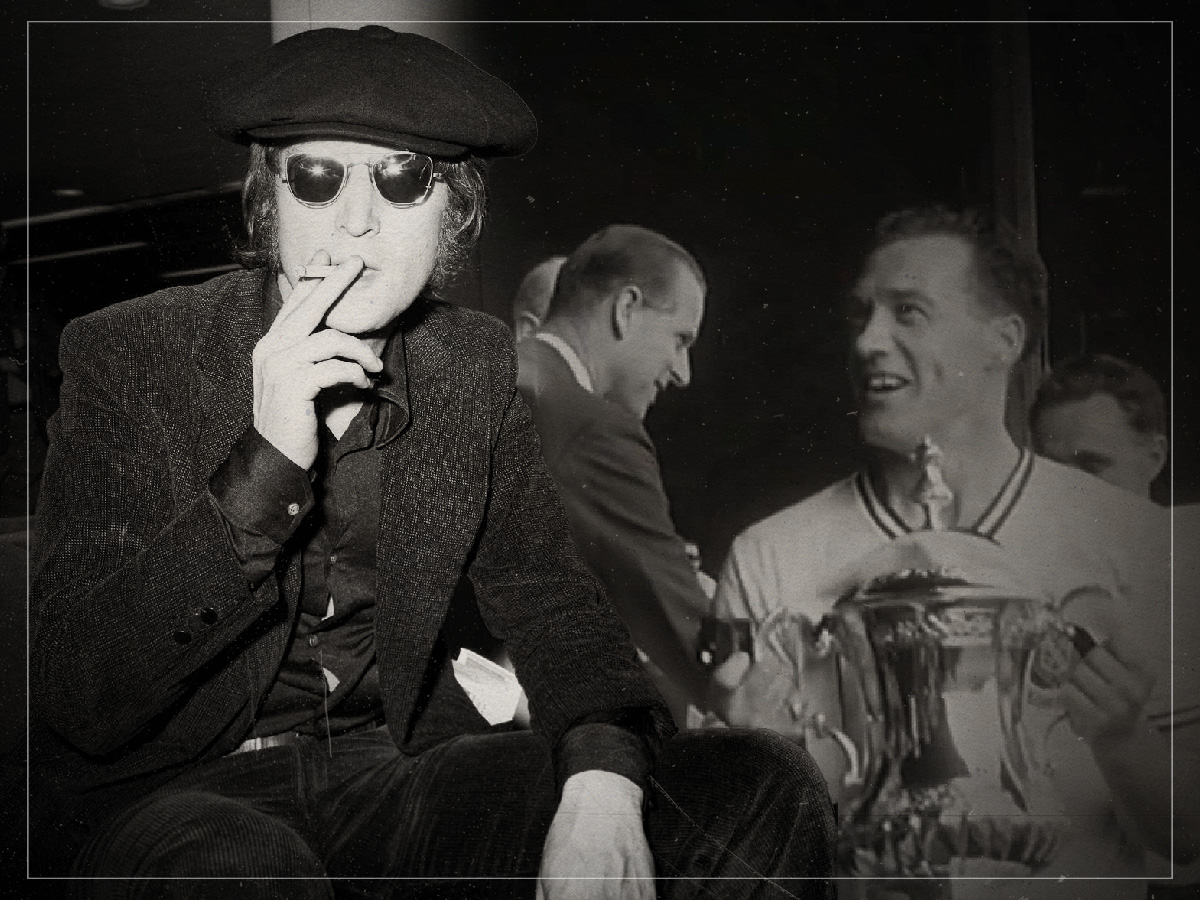
Rock music and football have always shared a special bond, with artists like Rod Stewart and The Wedding Present showing their love for the beautiful game. Surprisingly, The Beatles, despite hailing from a football-crazy city, did not show much interest in the sport. However, John Lennon's connection to the 1952 FA Cup Final adds an intriguing twist to this narrative.
The 1952 FA Cup Final saw Newcastle United clinch their second consecutive FA Cup victory with a late header from George Robledo, securing a win over Arsenal. This historic moment inspired a young Lennon, who, despite his later focus on music and activism, had a childhood fascination with football. He immortalized Robledo's winning goal in a drawing at the age of 11, a piece of art that would resurface years later in an unexpected way.
Lennon's childhood drawing of the 1952 FA Cup Final goal made its way onto the album cover of his 1974 record Walls and Bridges. This album, known for its experimental and autobiographical content, puzzled many fans with its unusual cover art. The connection between Lennon's drawing and the football match remained a mystery until researcher Nestor Flores made the link in 2013, shedding light on this hidden aspect of Lennon's artistic expression.
The album cover's depiction of the 1952 FA Cup Final goal, along with the presence of Newcastle's number nine Jackie Milburn, adds another layer of intrigue to the story. Lennon's lifelong fascination with the number nine, evident in his song '#9 Dream' on Walls and Bridges, suggests a deeper connection between his childhood memories and his artistic choices. Whether intentional or coincidental, the album cover's link to the football match remains a unique and unexpected sporting reference in rock history.
In conclusion, John Lennon's childhood drawing of the 1952 FA Cup Final goal, later featured on the album cover of Walls and Bridges, highlights the intersection of music and football in a surprising way. This artistic connection adds a fascinating dimension to Lennon's creative legacy, showcasing the enduring influence of childhood memories on his work.