Richard Arrington Jr.: Reflecting on Birmingham's Past and Future with WVTM 13
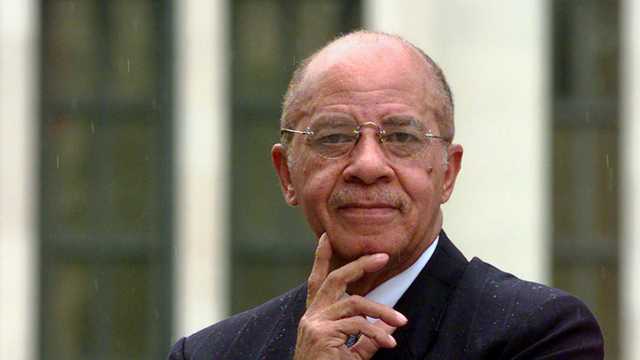
Richard Arrington Jr., Birmingham, Alabama's first Black mayor, held office for two decades and is a significant political figure in the city's history. In a recent interview with WVTM 13 anchor Guy Rawlings, Arrington discussed Birmingham's past and future, reflecting on segregation, political power, and the ongoing Civil Rights Movement. Growing up in a deeply segregated city, Arrington experienced firsthand the racial divisions that shaped daily life and inspired his commitment to public service.
Arrington's journey into politics was unexpected, as he initially had no plans to pursue a political career. However, after encouragement from students, he entered the political arena and became a transformative figure in Birmingham. As the city's first Black mayor, Arrington faced challenges such as a shrinking tax base and white flight, a phenomenon where white residents left neighborhoods as people of non-European backgrounds moved in.
During his tenure, Arrington focused on annexation, job creation, and stabilizing city revenue, all while upholding Birmingham's civil rights legacy. Despite progress, Arrington believes that the Civil Rights Movement was never meant to be a singular moment of achievement but an ongoing struggle for equality and justice. He expressed concerns about current population shifts in the city and emphasized the importance of addressing economic development while preserving neighborhoods.
Arrington commended Mayor Randall Woodfin's efforts but highlighted the persistent challenges of racial inequality and white privilege in the country. Despite these obstacles, Arrington remains optimistic about Birmingham's future and stresses the importance of political effectiveness and organization in driving progress. As the city continues to navigate complex issues of race and economic development, Arrington's message underscores the enduring significance of the civil rights movement in shaping Birmingham's path forward.