Unraveling Controversy: Nirvana's 'Rape Me' and Kurt Cobain's Legacy
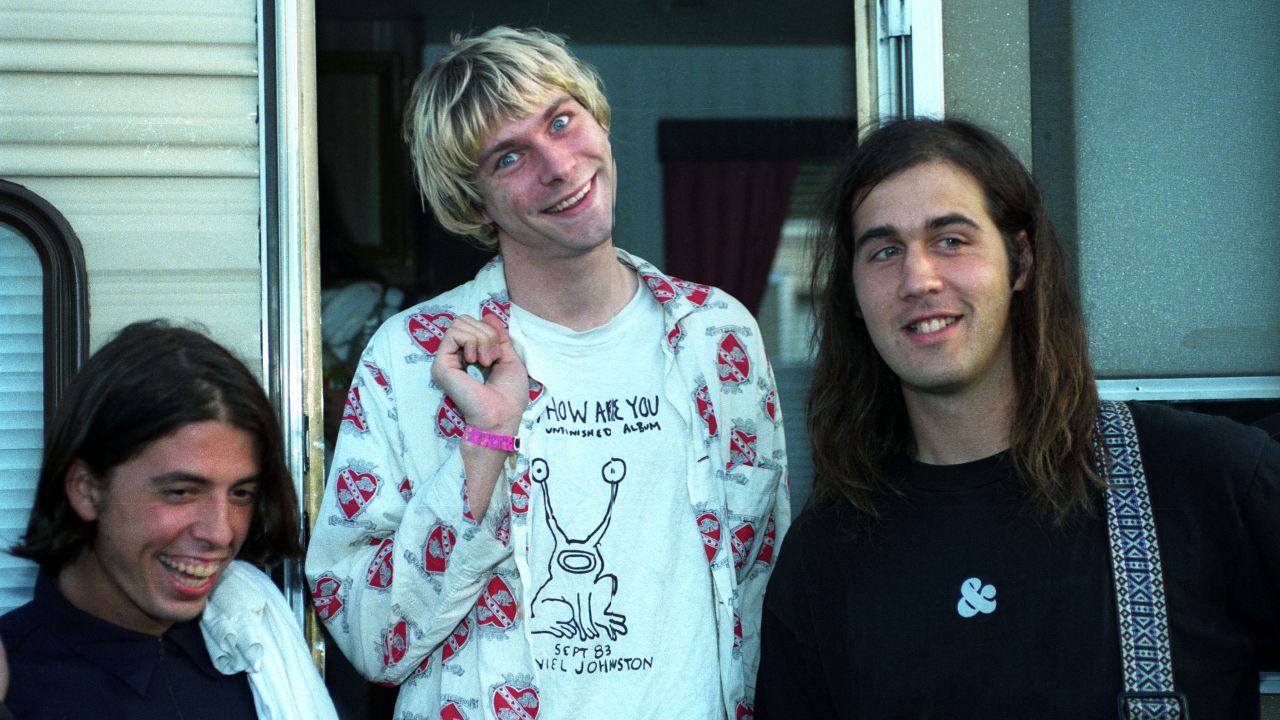
Nirvana's track "Rape Me" stands out as the band's most controversial song, released as the final single before Kurt Cobain's tragic death. The period between the success of their album "Nevermind" and Cobain's passing was marked by intense scrutiny and unraveling for the band, as they struggled with the mainstream pop world's gossip and drug use rumors.
Cobain's frustration with the misinterpretation of his lyrics led him to write "Rape Me" as a direct and blunt anti-rape song. Despite his clear explanation of the song's intent, controversy surrounded its performance at the MTV Video Music Awards, where Nirvana initially planned to play it but ended up performing "Lithium" due to network concerns.
The release of Nirvana's third album "In Utero" further fueled the band's rebellious image, with "Rape Me" being released as a single alongside "All Apologies." Despite Cobain's insistence on the song's message, it faced backlash and censorship, with some US supermarkets refusing to stock the album due to its content.
The song's impact extended beyond the music industry, as Jenna Bush Hager recalled her father, future President George W. Bush, smashing her copy of "In Utero" upon hearing "Rape Me." Cobain, exhausted by the controversy, expressed his frustration at the need for such obviousness in his songwriting.
Ultimately, "Rape Me" remains a thought-provoking and fearless track, reflecting Cobain's enduring legacy as a musician who pushed boundaries and challenged societal norms. Its controversial nature and misunderstood message only add to its classic status in Nirvana's discography.