Title: President Trump Addresses Fatal Shootings in Minneapolis: A Shift in Law Enforcement Tactics
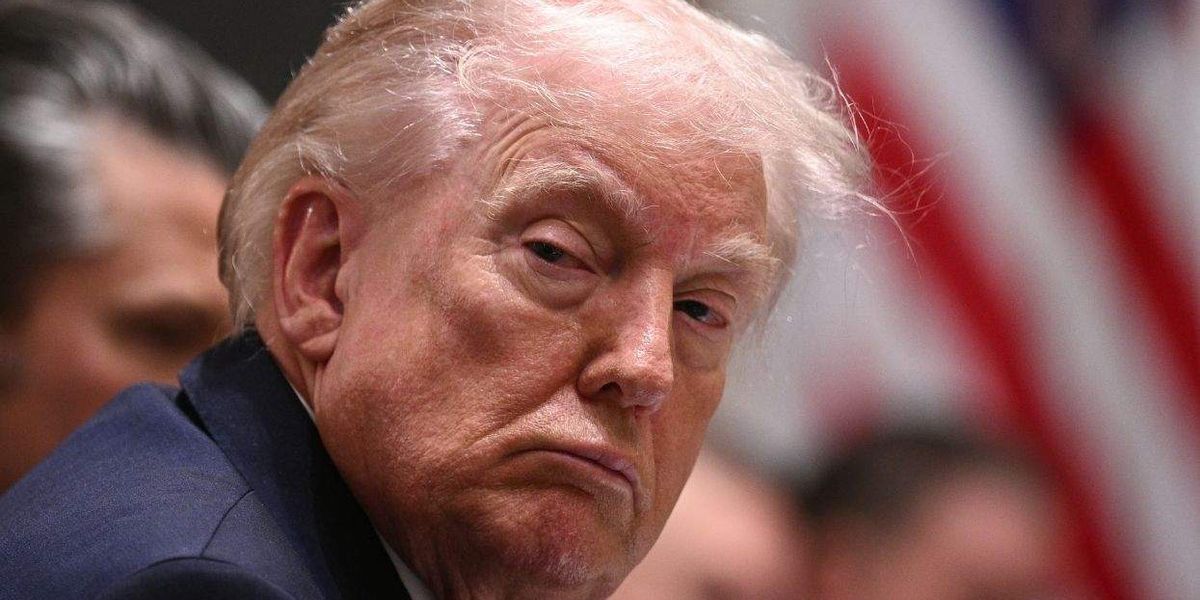
President Donald Trump expressed regret over the fatal shootings of Alex Pretti and Renée Good by Department of Homeland Security officers in Minneapolis, stating that the incidents should not have occurred. In an interview with NBC Nightly News, Trump acknowledged the unjust nature of the deaths of the two U.S. citizens, which occurred during DHS operations led by Border Patrol commander Greg Bovino. The incidents sparked protests and criticism of the militarization of immigration enforcement in American cities. Trump removed Bovino from the operation and appointed Tom Homan to lead the response.
Good's brothers, Luke and Brent Ganger, testified before Congress, emphasizing that their sister was not a threat but a mother and a civilian whose life was tragically cut short. Their emotional testimony added pressure on the administration to address the issue. Trump expressed support for law enforcement while acknowledging the gravity of the killings, stating that agents themselves felt the weight of the incidents.
Trump indicated a shift in tactics, suggesting the use of a "softer touch" in law enforcement operations, while emphasizing the need to be tough when dealing with hardened criminals. Homan announced the withdrawal of 700 federal officers from Minneapolis, signaling a more conditional approach to future deployments based on cooperation from local leaders. Trump's interview highlighted a nuanced stance on law enforcement tactics and the need for collaboration with city officials.
In conclusion, President Trump's acknowledgment of the unjust shootings in Minneapolis reflects a recognition of the tragic consequences of immigration enforcement operations. The administration's response to the incidents and the decision to adjust deployment strategies indicate a willingness to address concerns raised by the community and prioritize cooperation with local authorities.