Ski Jumping Suit Controversy: Allegations of Hyaluronic Acid Injections and Cheating in Winter Olympics
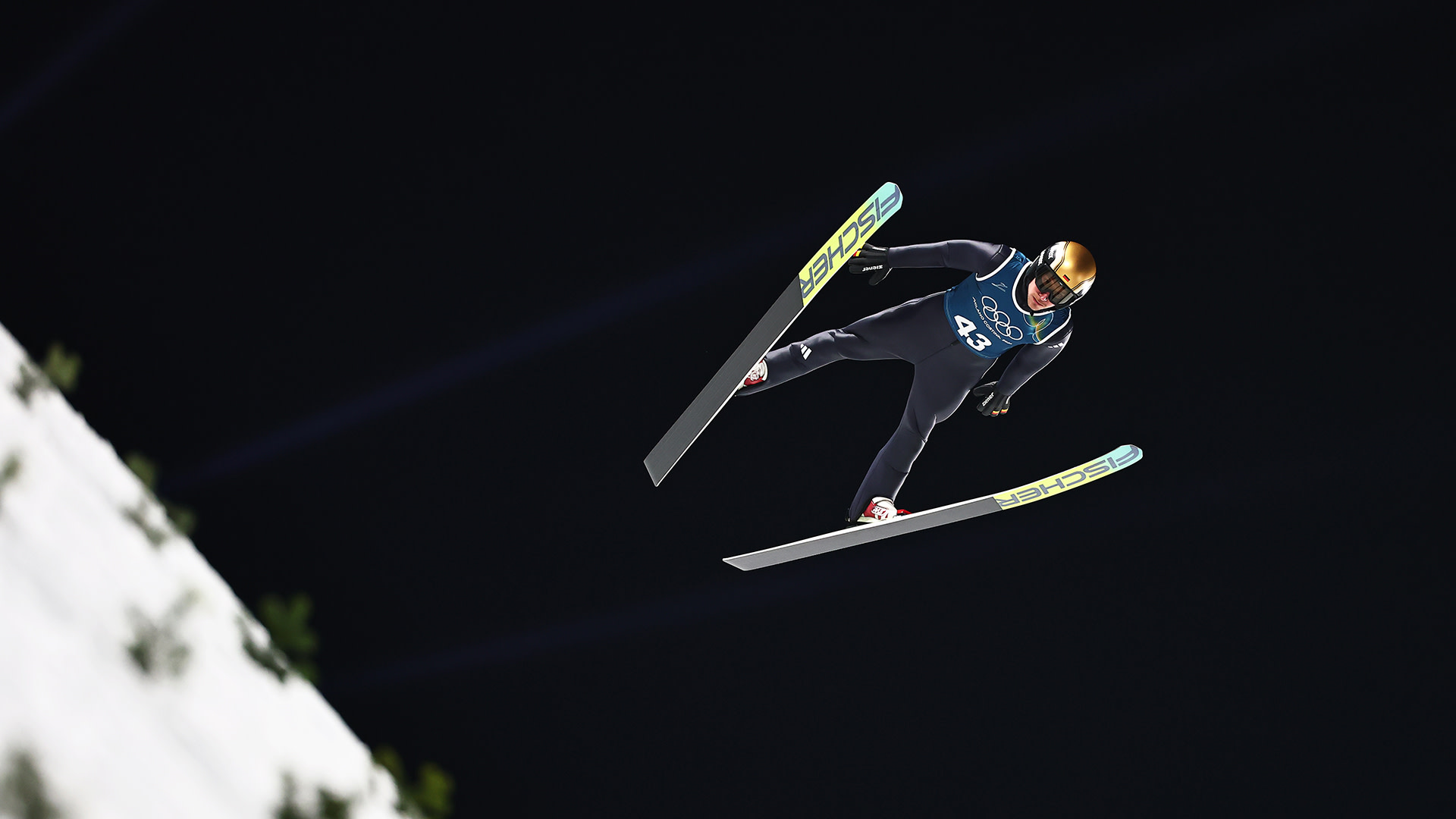
Winter Olympics officials are addressing allegations that male ski jumpers are using hyaluronic acid injections to enhance their performance. The claims suggest that the injections, also known as **** fillers, increase the circumference of the athletes' genitals, leading to a larger suit size and potentially longer flight times during jumps. Ski jumpers are measured for their suits using 3D body scanners at the start of each season, with specific requirements for the suits' fit and tolerance levels.
Competitors in ski jumping need to wear tight, elastic underwear and suits with a certain tolerance level to ensure fair competition. The International Ski and Snowboard Federation's ski jumping men's race director highlighted the importance of suit size in maximizing performance, as even a small increase in surface area can result in longer flight distances. While hyaluronic acid injections are not banned in the sport, the World Anti-Doping Agency has expressed interest in investigating the practice to determine its impact on performance.
Despite the allegations, the FIS communications director emphasized that there is no evidence to support the claims of ski jumpers using hyaluronic acid injections for competitive advantage. In a separate incident, two Norwegian Olympic medallists faced suspension for tampering with their suits during the World Ski Championships in 2025. The athletes were accused of attempting to cheat by using reinforced threads in their jumpsuits, highlighting the importance of fair play and integrity in competitive sports.
In conclusion, the controversy surrounding male ski jumpers allegedly using hyaluronic acid injections to enhance their performance has raised concerns among Winter Olympics officials. The sport's governing bodies are committed to investigating any potential violations of fair play and ensuring a level playing field for all athletes.