Challenges of Adapting Isaac Asimov's Science Fiction Masterpieces to Film
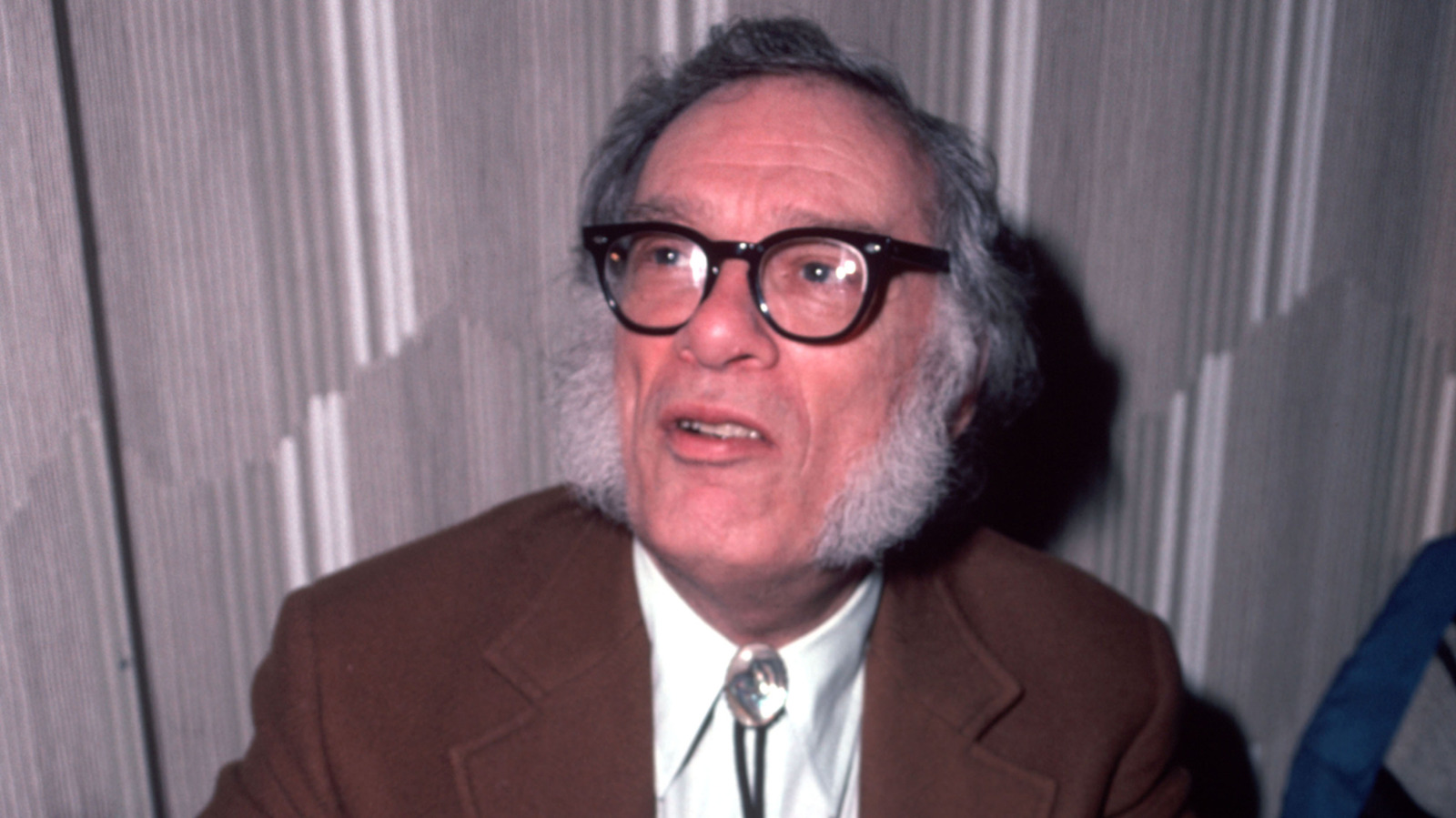
Science fiction fans owe a lot to authors like Philip K. Dick, Frank Herbert, and Isaac Asimov, whose works have inspired iconic movies like "Blade Runner" and "Dune." Asimov's novels and short stories delve into themes of artificial intelligence, sustainability, and the societal impact of advanced technology. Despite his significant influence on the genre, many film adaptations of his work have fallen short of capturing his ideas effectively.
While some sci-fi stories translate seamlessly to the big screen, others, like Asimov's, present challenges due to their complexity and unique concepts. The "Foundation" series and the Three Laws of Robotics are central to Asimov's work, but filmmakers have struggled to bring his vision to life successfully. Despite the intriguing ideas explored in Asimov adaptations, many have failed to impress critics and audiences alike.
One of the earliest attempts to adapt Asimov's work was the 1988 film "Nightfall," based on his short story. Directed by Paul Mayersberg, the movie depicts a world bathed in perpetual sunlight and the dramatic events that unfold during a rare night. However, the film's weak script, performances, and production values led to its poor reception, with low ratings on Rotten Tomatoes and IMDB. For those looking to explore Asimov's universe, "Nightfall" may not be the best starting point.
In 2000, a second adaptation of "Nightfall" was released, aiming to improve upon its predecessor's shortcomings. Directed by Gwenyth Gibby, this version stayed closer to the source material but still struggled to capture the essence of Asimov's story. Despite slightly better ratings than the 1988 film, the 2000 adaptation failed to resonate with audiences, highlighting the challenges of translating Asimov's work to film.
Asimov's exploration of robotics is another hallmark of his writing, with the iconic Three Laws of Robotics shaping many of his stories. The 1988 movie "Isaac Asimov's Robots" offered a unique interactive experience, allowing viewers to solve a futuristic murder mystery alongside a detective and an android partner. While the concept was innovative, the film's limited availability makes it difficult for modern audiences to appreciate its interactive storytelling.
"The End of Eternity," a groundbreaking science fiction novel by Asimov, inspired a 1987 film adaptation that delved into complex themes of time manipulation and societal engineering. Directed by Andrei Yermash, the movie follows an Eternal who questions the morality of his city's actions, offering a thought-provoking exploration of Asimov's ideas. Despite mixed reviews, the film remains a more accessible adaptation compared to other Asimov works.
In 1992, Asimov and Robert Silverberg co-authored "The Positronic Man," a novel that delves into questions of sentience and identity through the story of a sentient robot named Andrew. The subsequent film adaptation, "Bicentennial Man," directed by Chris Columbus and starring Robin Williams, struggled to balance emotional depth with outdated special effects. While Williams' performance shines, the film's shortcomings prevent it from being a standout Asimov adaptation.
"I, Robot," released in 2004 and starring Will Smith, offers a modern take on Asimov's exploration of robotics and artificial intelligence. While the film diverges significantly from the original short story, it raises thought-provoking questions about the nature of consciousness and autonomy. Despite its entertainment value, "I, Robot" falls short of capturing the depth and complexity of Asimov's writing, highlighting the challenges of adapting his work for the screen.
In conclusion, Isaac Asimov's contributions to science fiction have left a lasting impact on the genre, inspiring filmmakers to explore themes of technology, ethics, and humanity. While some adaptations of his work have struggled to capture the essence of his stories, they offer valuable insights into the complexities of translating literary masterpieces to the screen. For fans of Asimov's writing, exploring his original fiction remains the best way to fully appreciate his visionary storytelling.