Controversy Surrounding DNI Gabbard: Whistleblower Complaint and Intelligence Handling
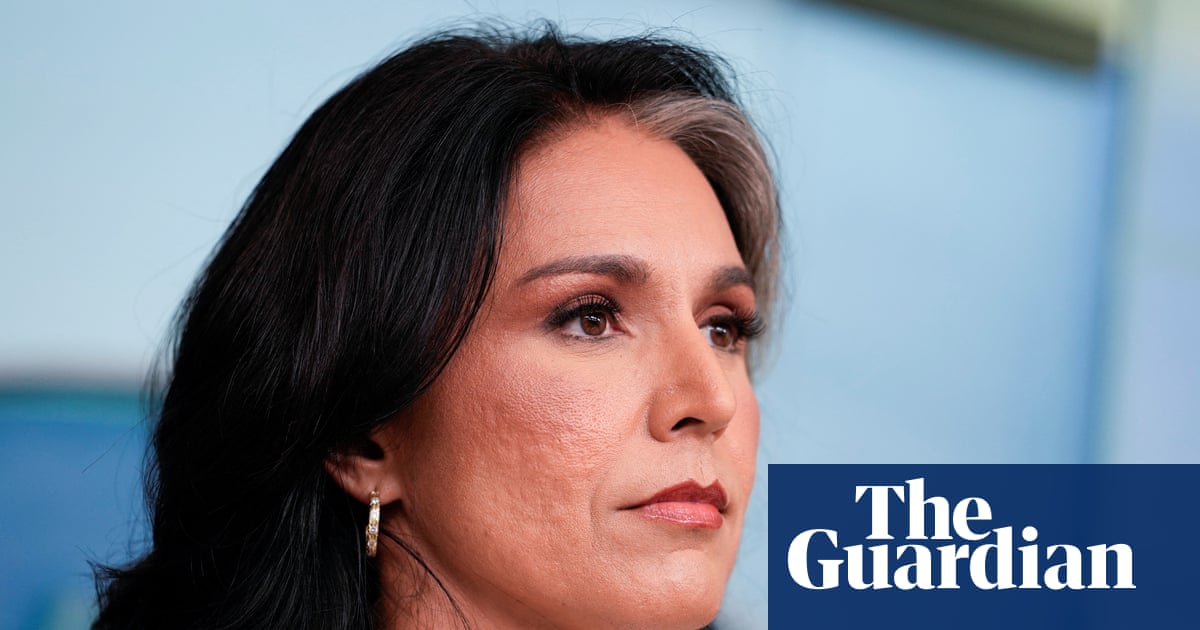
Last spring, the National Security Agency (NSA) intercepted a peculiar phone call involving an individual linked to foreign intelligence and someone close to Donald Trump, as revealed by an attorney representing a whistleblower briefed on the call. The information was brought to the attention of the director of national intelligence (DNI), Tulsi Gabbard, who opted to personally deliver the intelligence to the president's chief of staff, Susie Wiles, instead of allowing the NSA to disseminate it further. Following a meeting with Wiles, Gabbard instructed the NSA not to publish the intelligence report and to transmit the classified details directly to her office. This exchange between Gabbard and the NSA, along with Wiles' receipt of the intelligence report, was disclosed to the Guardian and had not been previously reported.
A whistleblower contacted the office of the inspector general on 17 April, alleging that Gabbard had impeded the distribution of highly classified intelligence. The complaint was dismissed by acting inspector general Tamara A Johnson after a 14-day review period, citing uncertainty about the credibility of the allegations. The whistleblower was advised to seek guidance from Congress on how to proceed due to the sensitive nature of the complaint. The independence of the inspector general's office has been called into question, especially after Gabbard appointed one of her top advisers, Dennis Kirk, to work there shortly after the whistleblower's initial contact.
Gabbard's office acknowledged the complaint in a letter to lawmakers, following a report by the Wall Street Journal on the classified brief. The delay in sharing the intelligence was attributed to various reasons, including the top-secret classification of the complaint, the government shutdown, and the failure of the intelligence community inspector general to inform Gabbard of her reporting obligations. The incident and subsequent complaint have raised concerns about Gabbard's handling of national intelligence and the whistleblower disclosure, which was deemed a matter of "urgent concern".
Members of the "gang of eight", a group of Senate and House leaders with access to classified information, received a redacted version of the complaint for review. Opinions on the legality of Gabbard's actions and the credibility of the whistleblower complaint have varied among lawmakers. While some Republicans supported Gabbard's conduct, Democrats questioned the delay in transmitting the complaint to Congress, emphasizing the legal requirement for agencies to relay whistleblower complaints within 21 days.
The contents of the whistleblower complaint remain largely undisclosed, with Gabbard's office redacting significant portions of the report released to intelligence committee members. The attorney for the whistleblower indicated that the redactions were made under executive privilege, suggesting presidential involvement in the matter. Efforts to share the full whistleblower report with Congress have been met with delays and lack of response from the DNI's office, prompting the whistleblower's attorney to seek an unclassified briefing with intelligence committee members to address concerns about Gabbard's actions and the underlying intelligence issues.
Lawmakers have reached out to the NSA to request access to the intelligence that Gabbard allegedly blocked, bypassing the ODNI and the inspector general's office. Concerns about the independence of the inspector general's office were raised following the appointment of Dennis Kirk, a former Trump administration official, to a senior role within the intelligence community inspector general's office. The appointment raised questions about Kirk's allegiance to DNI Gabbard and his potential impact on the office's independence and professionalism.
In conclusion, the handling of highly classified intelligence by DNI Gabbard, the whistleblower complaint, and the subsequent delays in sharing information with Congress have sparked controversy and raised concerns about transparency and accountability within the intelligence community. The involvement of key officials and the redaction of critical details have fueled debates among lawmakers regarding the legality and propriety of the actions taken in response to the whistleblower's concerns.