Roddy Bottum's Reflections: Navigating the Contradictions of the Hair Metal Scene
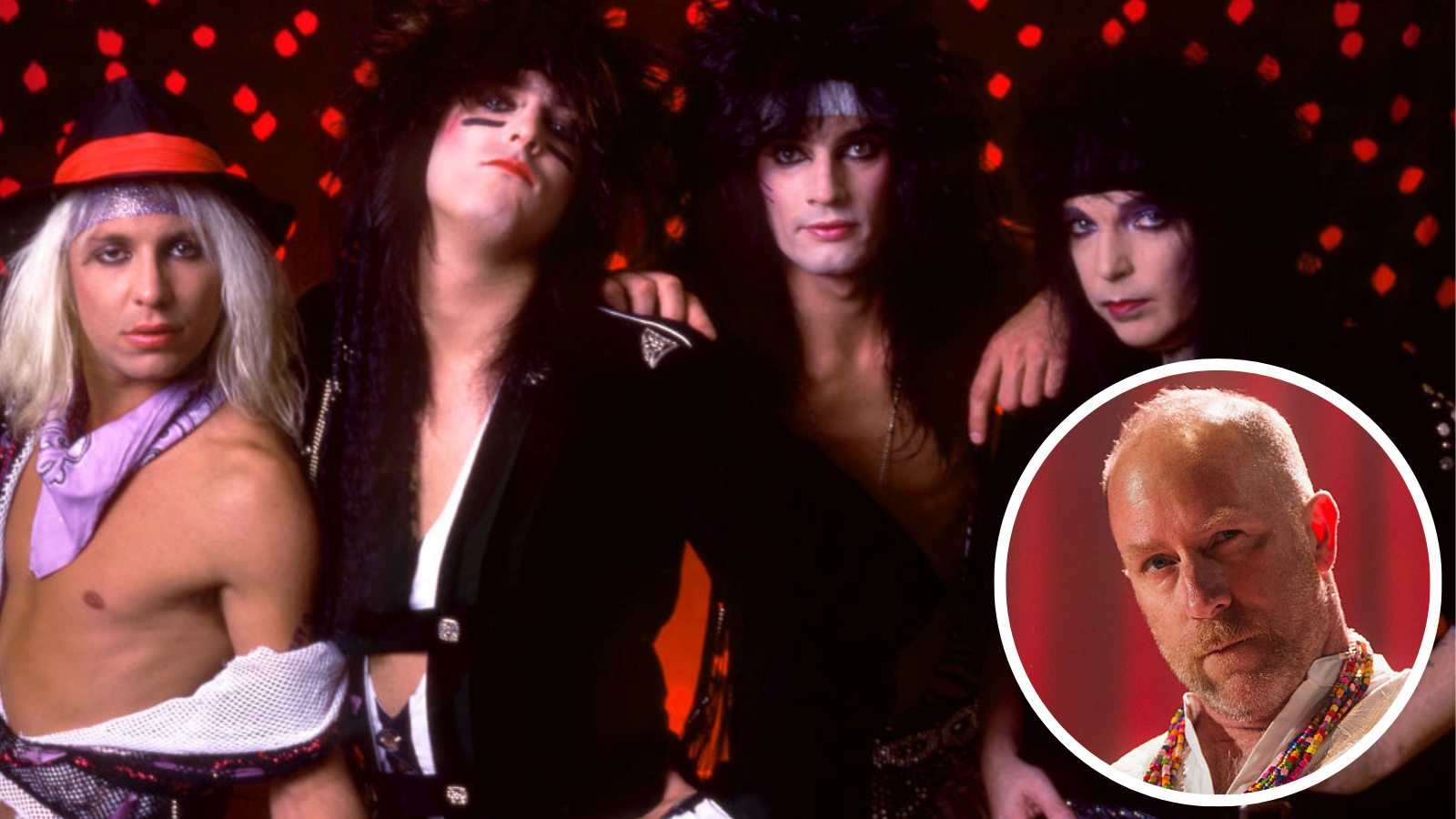
Roddy Bottum, the keyboardist of Faith No More, reflects on the contrasting elements of the hair metal scene that emerged in the music industry. Despite his band's distance from the genre, Bottum observed the scene from a unique perspective. The prominent bands in the hair metal scene showcased a striking combination of teased hair, makeup, and feminine attire, juxtaposed with aggressive party atmospheres and, at times, blatant misogyny. As a young gay man, Bottum found this juxtaposition perplexing and unsettling.
Bottum shared his thoughts on the appearance and behavior of bands like Guns N' Roses, Poison, and Warrant, noting their feminine aesthetic alongside their misogynistic attitudes. The exaggerated femininity, teased hair, and excessive makeup of these bands were starkly contrasted by their disrespectful treatment of women, which was prevalent in their music videos and performances. Bottum acknowledges that the misogyny in the hair metal scene was pervasive and normalized during that era.
As a queer icon who came out in the early 90s, Bottum reflects on the challenges of navigating the hair metal world as a gay man. Despite Faith No More not aligning with the typical image of hair metal bands, they were sometimes associated with that scene, creating a difficult environment for Bottum to navigate. He describes the experience as intense and acknowledges the pioneering role he played as one of the first openly gay rock stars, preceding figures like Rob Halford and Freddie Mercury.
Bottum recalls the lack of openly gay role models in the music industry during his youth, citing examples like Elton John, who initially presented himself as heterosexual to the public. He emphasizes the importance of representation and visibility for LGBTQ individuals, highlighting his own journey of self-acceptance and authenticity in a predominantly heterosexual and masculine rock music landscape. Bottum's openness about his sexuality and identity has paved the way for greater inclusivity and diversity in the music industry.
In conclusion, Roddy Bottum's reflections on the hair metal scene shed light on the complexities and contradictions within the music industry during that era. His experiences as a gay man navigating a predominantly heterosexual and misogynistic environment highlight the importance of representation and acceptance in the entertainment world. Bottum's openness about his identity and his pioneering role as a queer icon have contributed to greater visibility and inclusivity for LGBTQ individuals in the rock music scene.