Controversial Films of the 1970s: Pushing Boundaries and Challenging Norms
The 1970s were a decade that saw the release of a variety of films, ranging from comedies to dramas. While some movies like "The Godfather" and "Star Wars" are considered classics, others from that era are controversial and provocative. Many films from the '70s, which were once accepted, would not be made today due to changing societal norms and values. These movies often featured offensive humor or tackled sexual topics that would not pass modern standards.
One notable film from the 1970s is "Sweet Sweetback's Baadasssss Song," a pioneering work in Black cinema that delves into themes of resistance against stereotypes and systemic racism. Directed by Melvin Van Peebles, the film explores the Black community's struggle against authority figures and societal norms. While the movie had a significant impact on Black filmmakers, its content, including unsimulated sex scenes and violence against law enforcement, would not be well-received in today's cultural landscape.
Another iconic film from the '70s is Stanley Kubrick's adaptation of "A Clockwork Orange," a sci-fi movie that delves into themes of violence and societal control. The film's graphic depictions of rape and brutality push the boundaries of what is considered acceptable in entertainment. While violent and sexually aggressive movies are still made today, the extreme nature of "A Clockwork Orange" would likely face backlash if produced in the present day.
"Last Tango in Paris," directed by Bernardo Bertolucci, is known for its controversial depiction of a forced sodomy scene. The film's handling of sexual violence and abuse has sparked debates about the treatment of actors on set. In today's film industry, measures like intimacy coordinators are in place to ensure the safety and well-being of actors during intimate scenes, a practice that was absent during the making of "Last Tango in Paris."
"Fritz the Cat," an animated film from the '70s, stands out for its explicit sexual content and social commentary. The movie, based on Robert Crumb's comic, pushes the boundaries of what is acceptable in animated films, earning it an X-rating. While adult-themed animated films still exist, the level of sexuality portrayed in "Fritz the Cat" would be considered too extreme for contemporary audiences.
"Pink Flamingos," a black comedy by John Waters, is infamous for its shocking and grotesque content, including scenes of sexual assault, incest, and cannibalism. The film's deliberate attempt to shock and disgust viewers sets it apart as one of the most controversial movies of the '70s. While it has gained a cult following over the years, the extreme nature of "Pink Flamingos" would not be replicated in today's film industry.
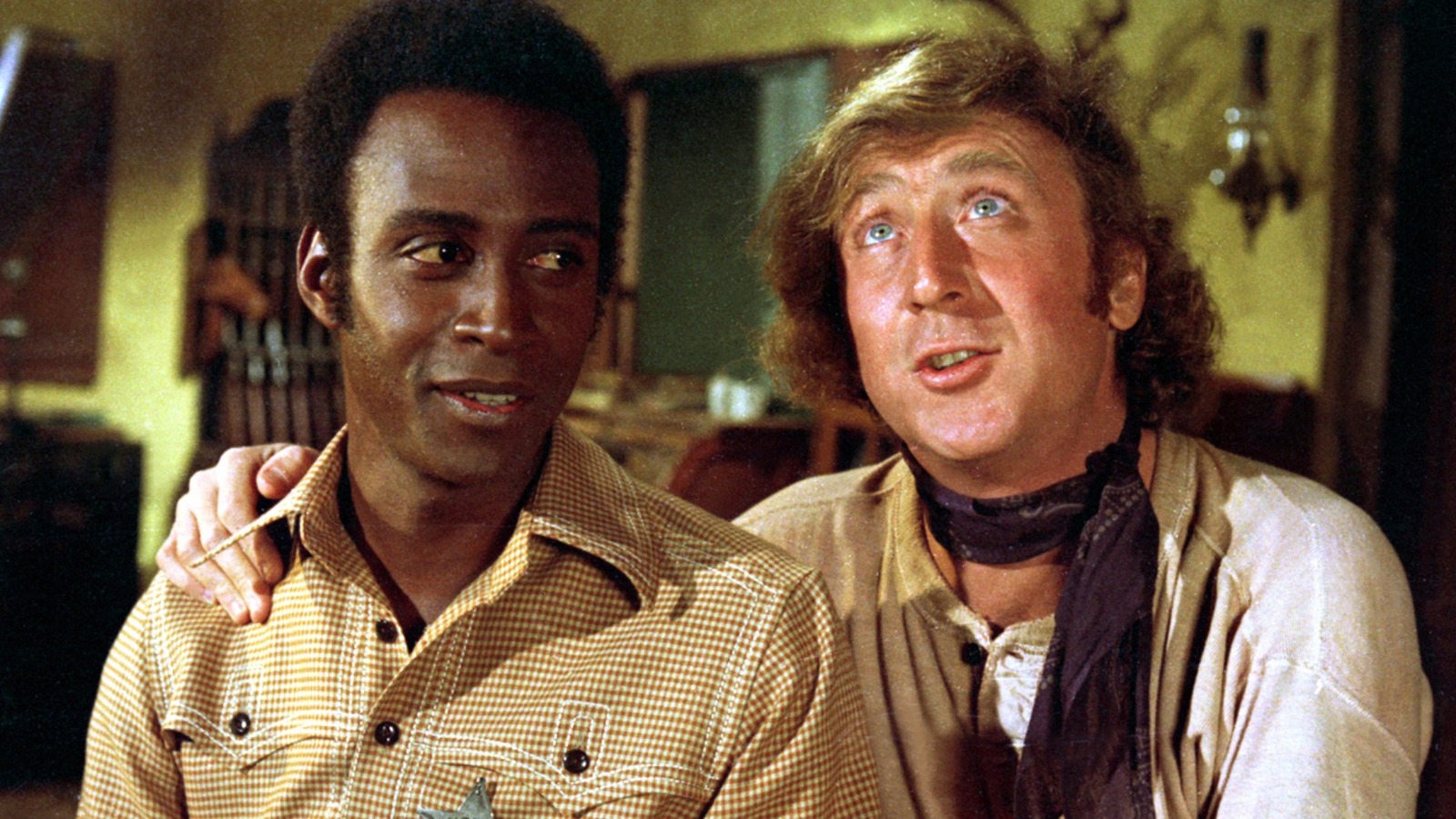
"Blazing Saddles," a satirical comedy by Mel Brooks, is known for its racially charged humor and provocative language. Co-written with Richard Pryor, the film tackles racism through comedy, pushing the boundaries of what is considered acceptable in mainstream cinema. While the film remains a classic, its use of offensive language and racial stereotypes would face scrutiny if produced today.
"Salò, or the 120 Days of Sodom," a political horror film directed by Pier Paolo Pasolini, is considered one of the most controversial movies of the 20th century. Based on Marquis de Sade's novel, the film depicts extreme acts of sexual, physical, and psychological torture. The graphic and disturbing content of "Salò" would be deemed too extreme for modern audiences, reflecting a level of depravity that is rarely seen in contemporary cinema.
"Manhattan," directed by Woody Allen, explores a controversial relationship between a middle-aged man and a teenage girl. The film's subject matter, coupled with Allen's personal controversies, has led to increased scrutiny and criticism over the years. Given the current climate and awareness of issues like child abuse, a film like "Manhattan" would likely face backlash and condemnation if made today.
In conclusion, the films of the 1970s pushed boundaries and challenged societal norms in ways that would not be accepted in today's film industry. While these movies have left a lasting impact on cinema, their controversial content and themes would face significant backlash if produced in the present day. The evolution of cultural values and awareness has led to a shift in what is considered acceptable in entertainment, highlighting the changing landscape of filmmaking and storytelling.