Unveiling the Hidden Gems: 10 Lesser-Known Horror Film Remakes Worth Exploring
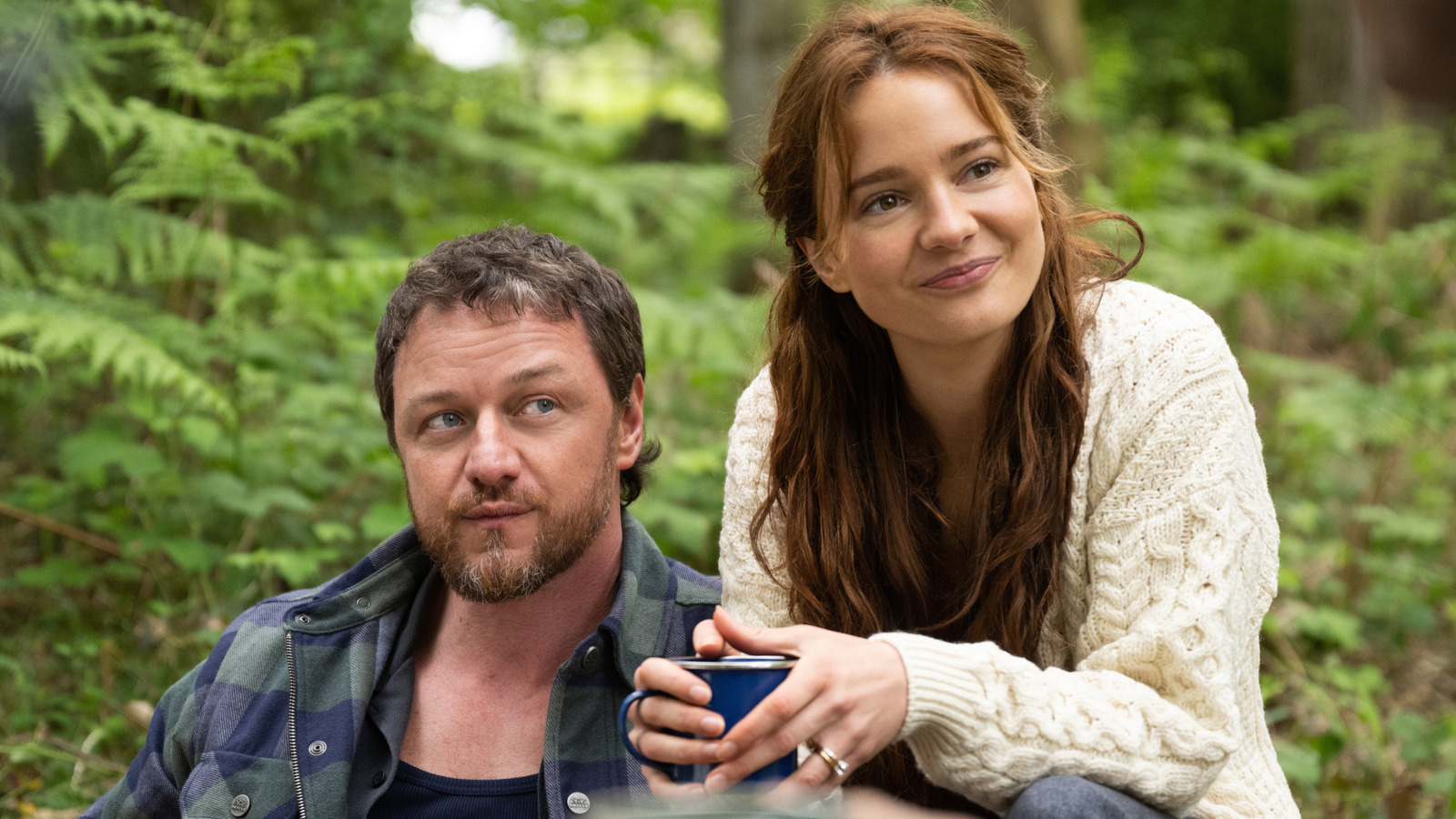
Horror film remakes often receive criticism for not living up to the original, but there are exceptions. Some of the best horror films in the last 50 years, like David Cronenberg's "The Fly" and John Carpenter's "The Thing," are actually remakes. While many horror remakes are well-known, there are also lesser-known ones that draw on international or obscure horror flicks as source material. Here are 10 horror films that you might not know are remakes and that you might want to explore further.
In some cases, horror remakes face criticism for staying too close to the original, as seen in Matt Reeves' 2010 film "Let Me In," which closely follows Tomas Alfredson's 2008 adaptation of "Let the Right One In." Despite some negative reviews, "Let Me In" is generally considered one of the best horror remakes from the 2000s, highlighting the fine line between faithfulness and innovation in remakes.
The 2013 film "We Are What We Are" is a remake of a 2010 Mexican film with a similar premise of an insular religious family practicing ritual cannibalism. Director Jim Mickle's restrained approach and social criticism in the remake offer a different perspective from the original, showcasing the impact of tradition on family dynamics.
"Silent House," a 2011 horror film starring Elizabeth Olsen, received mixed reviews for its single-take aesthetic and supernatural elements. Interestingly, it is a close remake of a 2010 Uruguayan film, "La Casa Muda," which scored higher on Rotten Tomatoes. The differences in execution and payoff between the two versions influenced the audience's reception of each film.
The 2014 film "Speak No Evil" is a remake of a 2012 Danish film with a similar plot involving a tourist family encountering hidden horrors. While the remake altered the conclusion, audiences and critics appreciated the performances and pacing, leading to a positive reception for the film.
"Breck Eisner's 2010 thriller "The Crazies" is a remake of George A. Romero's 1973 film, exploring the consequences of a bioweapon outbreak. The differences in setting and focus between the original and the remake offer distinct perspectives on the same premise, showcasing the evolution of horror storytelling over the years.
The American adaptation of "Martyrs" in 2015 faced criticism for toning down the graphic content and nihilistic ending of the original French film from 2008. The remake's reluctance to delve into the darkest aspects of the story disappointed hardcore horror fans, highlighting the challenges of recreating intense and disturbing narratives in remakes.
"Quarantine," a 2008 found-footage horror film, closely mirrors the 2007 Spanish film "[REC]" in its depiction of a virus outbreak turning victims into monsters. While both films excel in creating tension and terror through their unique perspectives, the source of the virus and the ending differ, influencing the overall impact of each film.
The 2012 remake of "Maniac" retains the original's focus on a deranged killer but shifts the perspective to the murderer, played by Elijah Wood. This personal approach to the story, seen through the eyes of the psychopath, adds a chilling intensity to the film, resonating with genre critics for its immersive and unsettling portrayal of a serial killer.
In conclusion, horror remakes offer a fresh take on familiar stories, sometimes staying true to the original while exploring new angles and interpretations. While not all remakes succeed in capturing the essence of the original, some manage to stand out as unique and compelling additions to the horror genre.