Bob Dylan's Self-Portrait: A Controversial Departure from Fame
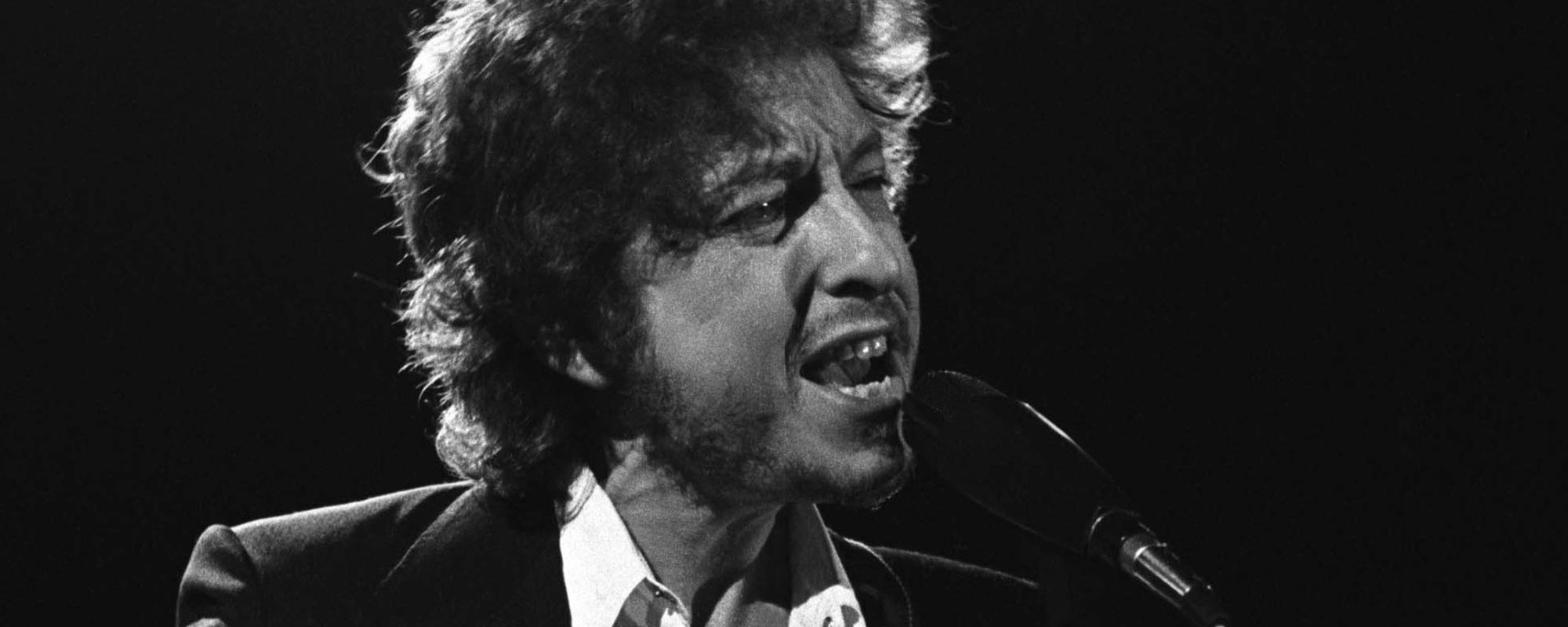
Bob Dylan, known for his enigmatic persona and groundbreaking songwriting, took a unique approach to dealing with his overwhelming fame in 1970. Feeling the pressure of being a cultural icon after defining the sound of the 1960s, Dylan decided to create an intentionally bad album, Self-Portrait, as a way to distance himself from his adoring fans and the public eye. This double album was met with criticism and deemed one of his worst works, fulfilling Dylan's goal of pushing people away.
Throughout his career, Bob Dylan has maintained a rebellious attitude towards the media and his public image. He often gave cryptic responses to interview questions, fabricated stories about his life, and deliberately misled the press to maintain a sense of mystery and detachment. By the late 1960s, Dylan's desire to escape the spotlight led him to create Self-Portrait, a project intended to alienate his audience and show a side of himself that was intentionally unlikable.
Despite the backlash and disappointment from fans and critics, Bob Dylan remained steadfast in his decision to release Self-Portrait as a double album filled with what he described as "crap." He believed that by loading the album with subpar material, he could further distance himself from the expectations of his audience and force them to move on to other artists. However, the album still managed to reach No. 4 on the Billboard 200, showcasing Dylan's enduring popularity and influence in the music industry.
While Self-Portrait may have been a misstep in Bob Dylan's discography, it did not mark the end of his career. Just five years later, he would achieve chart-topping success with Blood on the Tracks, reaffirming his place as a musical legend. Despite his attempts to sabotage his own image with Self-Portrait, Dylan's talent and creativity continued to shine through, captivating audiences and solidifying his status as one of the greatest songwriters of all time.