Protecting the Arctic: Addressing the Environmental Impact of Increased Shipping Activity
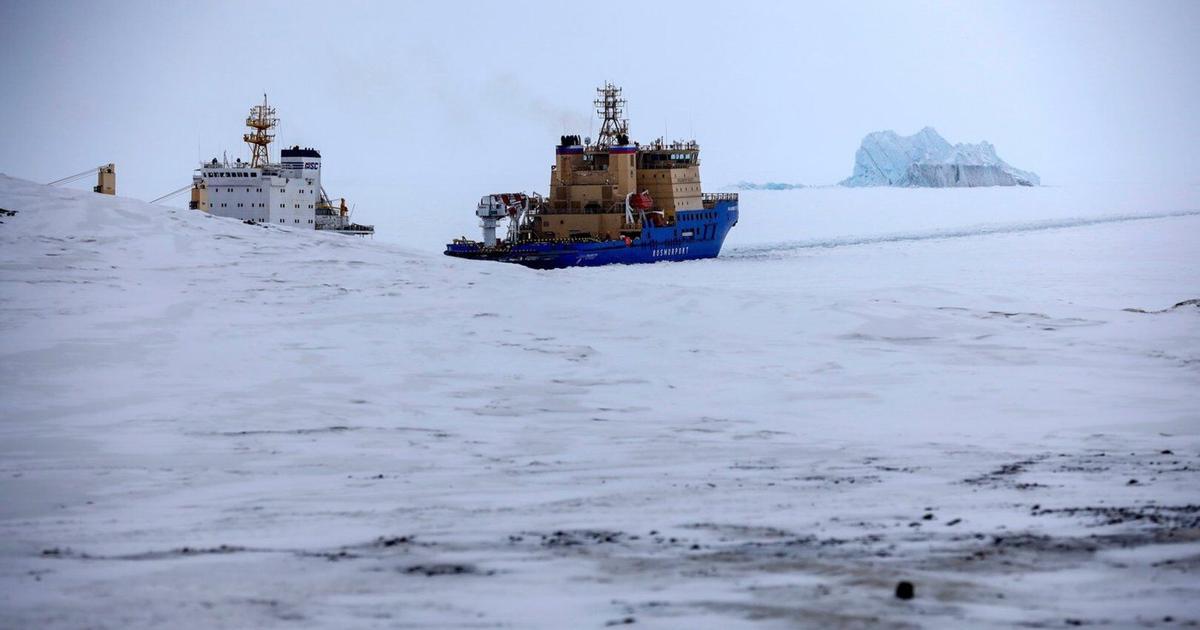
The melting of sea ice in the Arctic Ocean due to rising global temperatures has opened up new shipping routes that were previously inaccessible. This has led to a surge in marine traffic in the Arctic region, with ships now able to navigate through areas that were once frozen. However, this increase in shipping activity has come at a significant environmental cost, as the emissions of black carbon, or soot, from ships contribute to the accelerated melting of the ice.
Countries are now advocating for the use of cleaner fuels by ships operating in the Arctic to reduce pollution and mitigate the impact on the environment. Discussions are ongoing with international shipping regulators to address the issue of black carbon emissions and promote sustainable practices in the region. The need for responsible shipping practices in the Arctic has become a pressing concern as the effects of climate change continue to reshape the landscape and impact the delicate ecosystem.
Efforts to address the environmental impact of increased shipping activity in the Arctic are crucial to preserving the region's unique biodiversity and mitigating the effects of climate change. By promoting the use of cleaner fuels and implementing sustainable practices, countries can work together to protect the fragile Arctic environment and ensure the long-term health of the ecosystem. It is essential for stakeholders to collaborate and take proactive measures to address the challenges posed by the changing Arctic landscape and promote responsible shipping practices in the region.