Navigating Politics and Patriotism: Team USA Athletes Speak Out
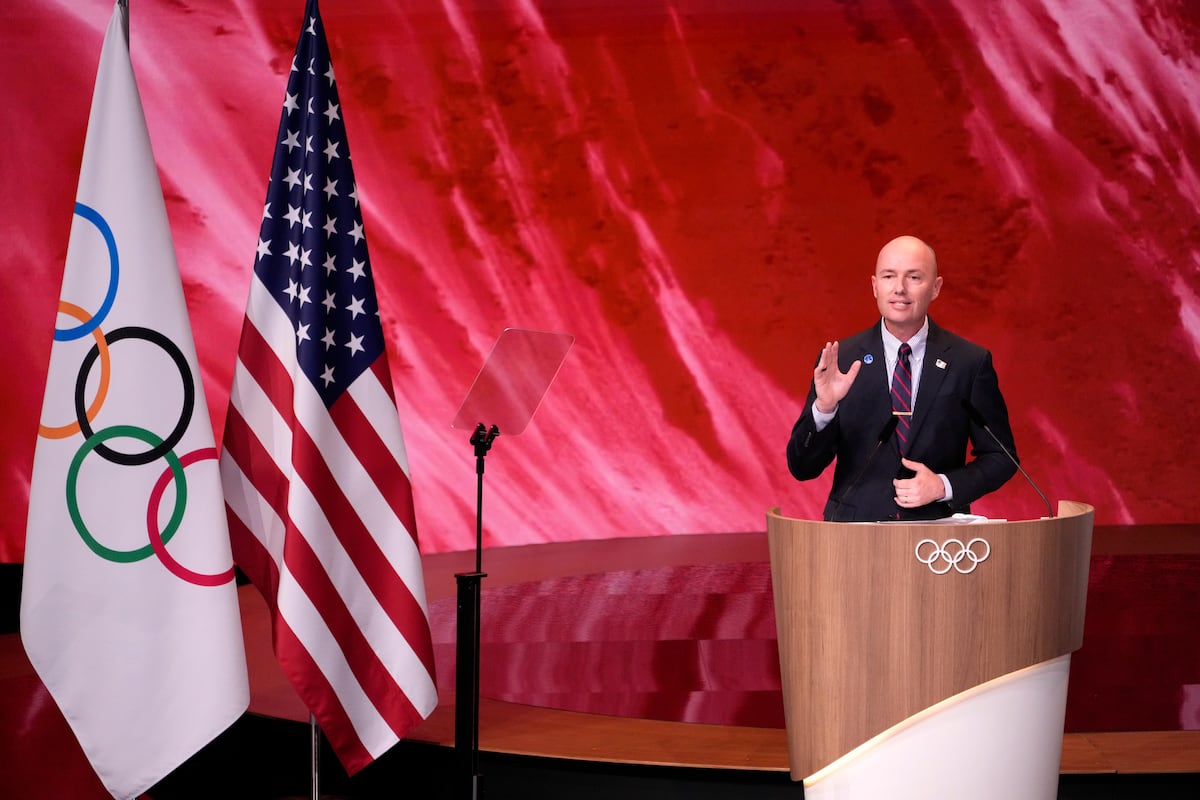
During a press conference in Milan, Italy, Gov. Spencer Cox expressed his disapproval of journalists asking Team USA athletes political questions, urging them to focus on sports instead. He emphasized his pride and gratitude for all Olympic athletes. Some American athletes, like figure skater Amber Glenn and aerials skier Chris Lillis, have openly criticized the U.S. government, citing the impact of politics on their lives. Despite facing backlash for their comments, they remain committed to using their voices for what they believe in.
Hunter Hess, a halfpipe skier, highlighted his pride in representing the positive aspects of the United States while acknowledging that wearing the flag doesn't mean endorsing everything happening in the country. Trump's response to Hess's comments labeled him as a "real loser," sparking controversy. Lillis, in a press conference, expressed his love for the USA but also voiced concerns about issues like immigration enforcement and protests, emphasizing the importance of respecting everyone's rights.
Cox defended athletes' freedom of speech in response to Trump's criticism, emphasizing the value of diverse opinions in the country. Sarah Hirschland, CEO of the United States Olympic & Paralympic Committee, reiterated the importance of understanding athletes' perspectives and their role in uniting people. Protests in Italy against the presence of U.S. Immigration and Customs Enforcement agents, who were there for security purposes, highlighted broader concerns about the Olympics' environmental impact and cost.
Despite the political tensions and protests, Cox remains optimistic about the Utah 2034 Winter Games, believing that political issues will be resolved in due time. The current climate of U.S. politics may not significantly impact the upcoming event, as it is still several years away. The athletes' voices and concerns reflect a broader conversation about the intersection of sports, politics, and personal beliefs, highlighting the complexities of representing a country on the global stage.