Senate Judiciary Committee Hearing Reveals Unauthorized Phone Data Disclosure to Congress Members
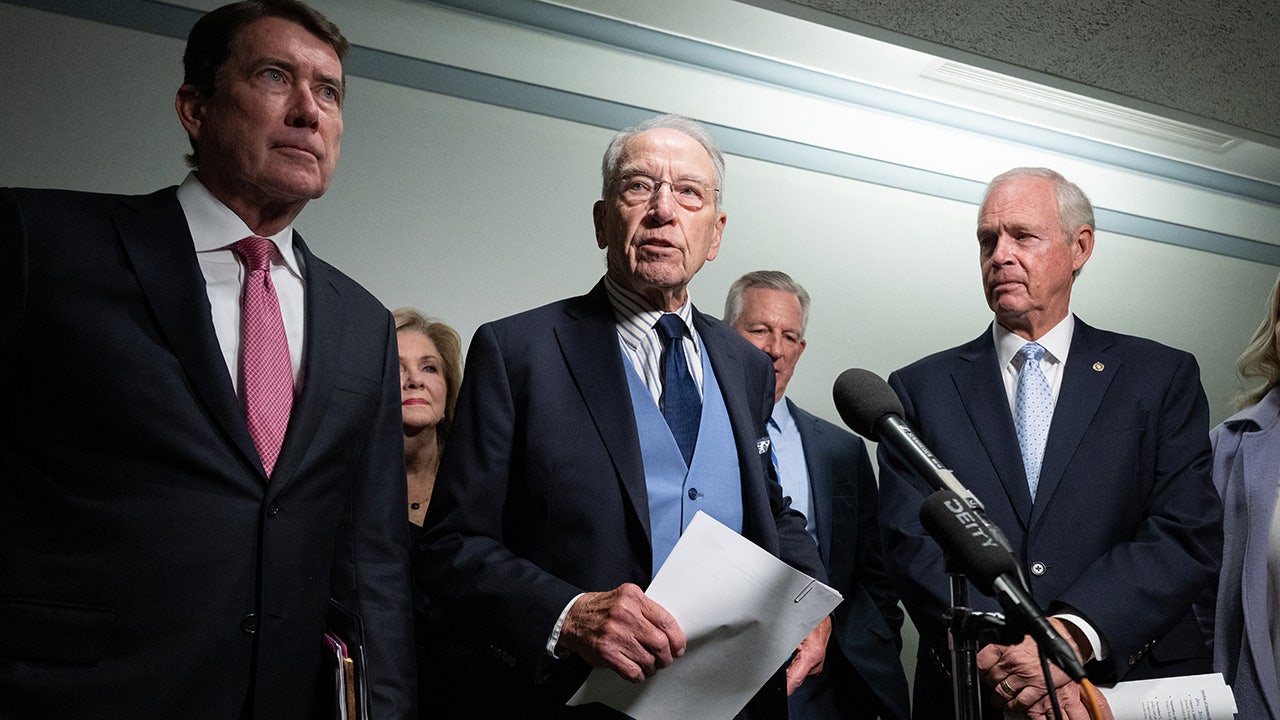
Phone records of current members of Congress were obtained without their knowledge, preventing them from invoking constitutional protections, according to Sen. Chuck Grassley during a recent hearing. Grassley, along with Sen. Marsha Blackburn, indicated that the Senate Judiciary Committee planned to question executives from Verizon, AT&T, and T-Mobile about the disclosure of the phone data. The companies received subpoenas related to an FBI probe called Arctic Frost, which led to charges against President Donald Trump over the 2020 election.
Blackburn described the phone data disclosures as an invasion of privacy and a violation of constitutional rights. She emphasized the importance of carriers explaining their decisions regarding the handling of the subpoenas issued by Jack Smith. The hearing will allow Republican committee members, some of whom had their phone data shared with Smith's team, to seek clarification from the phone carriers about their response to the subpoenas.
Grassley highlighted that federal law prohibits phone carriers from withholding notice to a Senate office about a subpoena unless the member is the subject of an investigation. He also mentioned that Verizon had a contractual obligation to inform the Senate Sergeant at Arms about subpoenas related to senators. The subpoenas were accompanied by gag orders, preventing the phone companies from informing the senators about the records request.
In addition to scrutinizing the phone companies, Grassley criticized Smith for his actions. Smith, with approval from the DOJ's Public Integrity Section, sought the senators' records as part of his investigation. However, concerns were raised about potential constitutional challenges. Grassley condemned Smith's conduct as deceitful and intrusive into the constitutional duties of elected officials. Smith defended the subpoenas, stating that they adhered to DOJ policies at the time.
In conclusion, the hearing shed light on the secretive acquisition of phone records of sitting members of Congress, raising concerns about privacy violations and constitutional rights. The involvement of phone carriers and the actions of Jack Smith in obtaining the records were scrutinized during the hearing, highlighting the need for transparency and accountability in such matters.