The Endangerment Finding Repeal: Trump's Climate Policy and America's Future
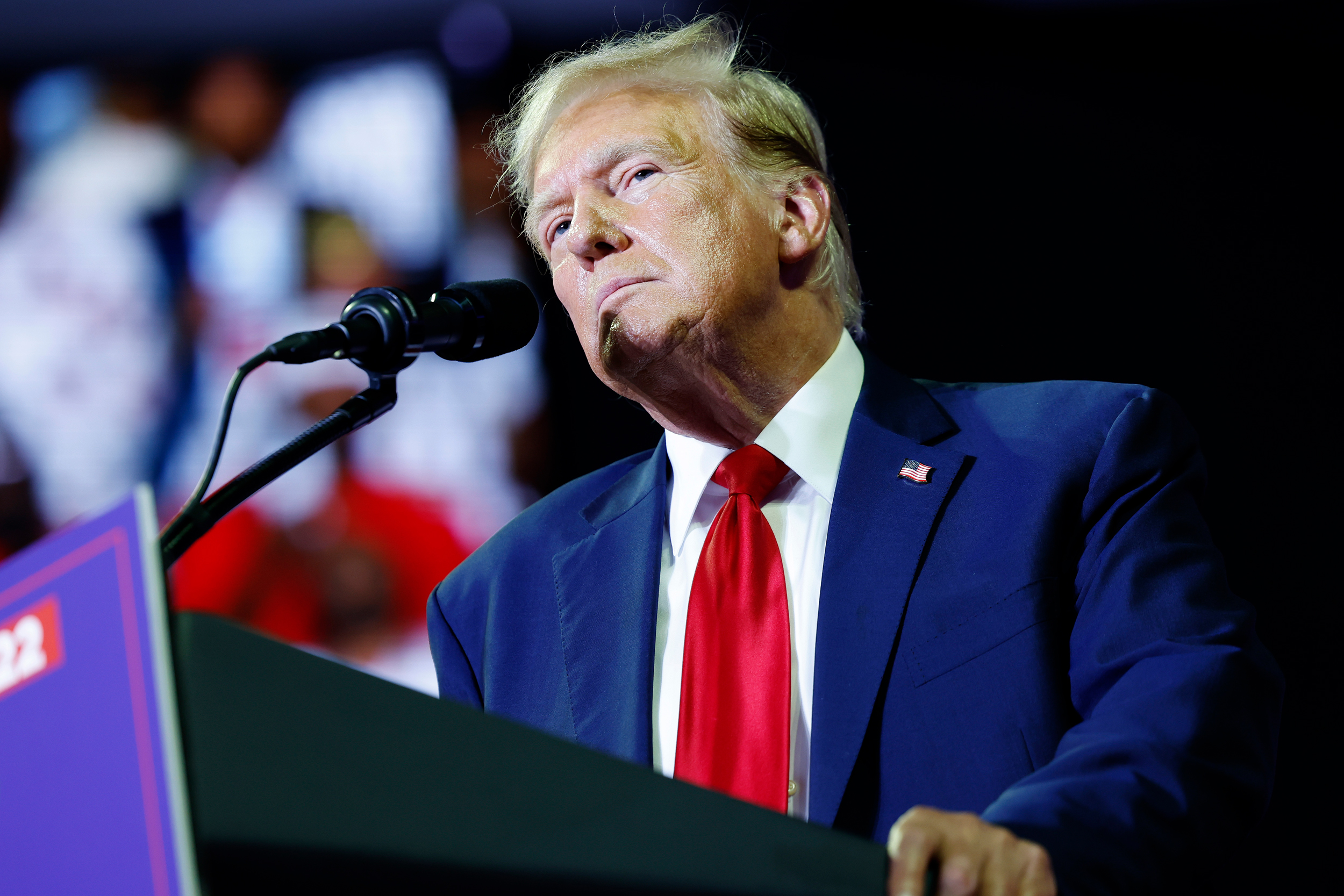
The Environmental Protection Agency is set to repeal the endangerment finding, a 2009 determination that greenhouse gases pose a threat to human health. This move reflects President Trump's longstanding skepticism towards climate change and his support for fossil fuels. Trump's rejection of climate science is rooted in his belief that it is a hoax perpetuated by elites. He sees fossil fuels as essential to American greatness and is hostile towards Obama-era regulations. The potential consequences of dismantling the endangerment finding could have severe implications for America's economic competitiveness and environmental security.
Trump's skepticism towards climate change predates his presidency, with his claims that it is a Chinese hoax to undermine American manufacturing. He views climate science as a challenge to his political brand, which opposes elite consensus and multilateral cooperation. Trump's worldview values tangible industries like steel, coal, and oil over abstract future risks measured in parts per million. His base supports this approach, as it aligns with their concerns about sacrificing for future generations.
While critics often attribute Trump's climate policies to serving fossil fuel interests, his affinity for these industries goes beyond transactional politics. He sees them as embodying the "real economy" and views renewable energy as elitist and disconnected from his electoral base. Trump's withdrawal from the Paris Climate Agreement was more about sovereignty and symbolism than the agreement's economic impact, positioning himself as a defender of American workers against globalist elites.
The endangerment finding is a crucial legal basis for federal climate regulation, allowing the government to regulate carbon emissions. Obama's climate policies, built on this foundation, positioned America as a leader in global climate negotiations and demonstrated that economic growth and emissions reduction could coexist. Repealing the endangerment finding could jeopardize this progress and create legal uncertainty for businesses.
The repeal of the endangerment finding is touted as the largest act of deregulation in American history, emphasizing the administration's focus on reducing regulations. While the immediate consequences are visible in the rollback of vehicle emissions standards, the long-term costs could be significant. Climate change operates on geological timescales and will continue regardless of government recognition. Trump's refusal to acknowledge climate change as a threat raises questions about democratic governance and the ability to address existential challenges.
In conclusion, Trump's climate policies reflect a philosophical divide over the relationship between evidence, expertise, and democratic authority. The long-term implications of dismantling environmental regulations and denying climate change could have far-reaching consequences for America's ability to address environmental challenges beyond partisan politics.