Cardi B's Super Bowl Halftime Show Controversy: A Deep Dive into Prediction Market Debates and Settlement Issues
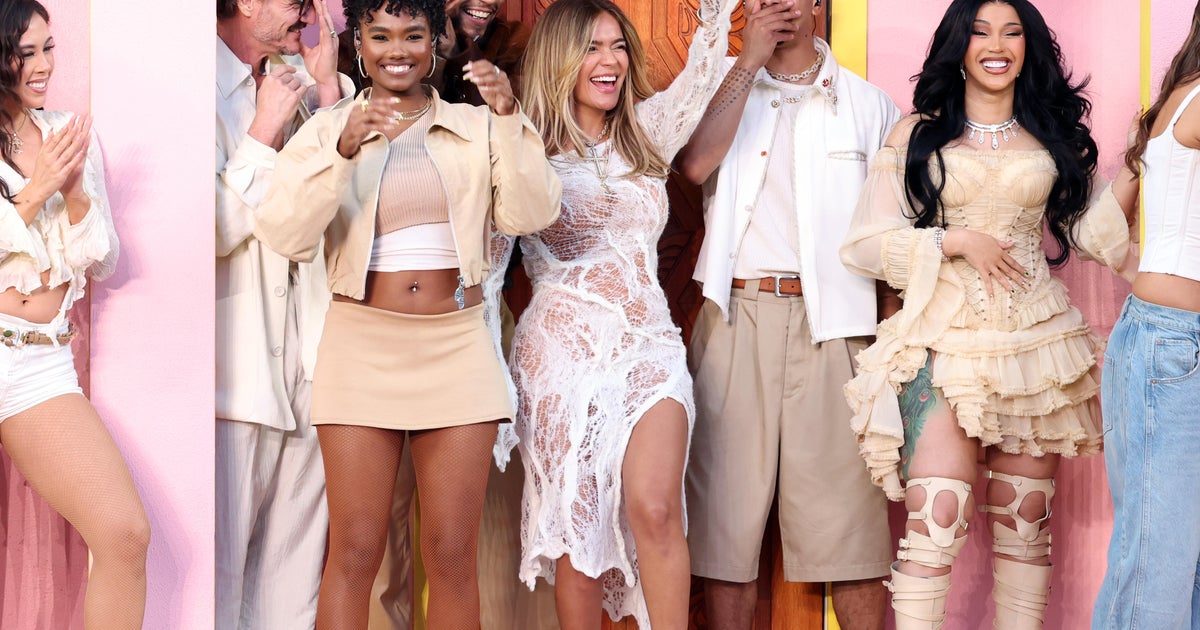
Cardi B's participation in Bad Bunny's Super Bowl halftime show has sparked controversy among prediction market users, who are debating whether she actually performed. The NFL reported that approximately 128 million viewers tuned in to watch the halftime show, where Cardi B appeared on stage dancing alongside other celebrities like Karol G, Young Miko, Jessica Alba, and Pedro Pascal. However, it was unclear if she was singing, leading to uncertainty in the prediction markets.
Polymarket and Kalshi, two prominent prediction market platforms, hosted event contracts related to whether Cardi B would perform at the Super Bowl halftime show. The markets saw significant trade volume, with Polymarket accumulating $47.3 million and Kalshi $10 million in trades. Following the halftime show, Kalshi faced criticism for settling the market at the last traded price before pausing, resulting in partial payouts to users based on their contract positions.
Some users expressed dissatisfaction with the outcome, with one individual filing a complaint with the Commodity Futures Trading Commission (CFTC) against Kalshi. The user, who held a "yes" contract, claimed that they received a lower payout than expected due to Kalshi's decision. The CFTC has yet to respond to the complaint, as the debate over what constitutes a performance continues among prediction market participants.
Despite the controversy surrounding Cardi B's appearance at the Super Bowl halftime show, prediction markets remain a popular platform for users to wager on the outcomes of future events. The debate over the definition of a performance and the settlement of market prices has highlighted the challenges faced by prediction market platforms in determining the outcomes of ambiguous events. As the industry continues to evolve, users and platforms alike must navigate these complexities to ensure fair and transparent market operations.