Stephen A. Smith Echoes Trump's Critique of Bad Bunny's Super Bowl Halftime Show: The Language Barrier Debate
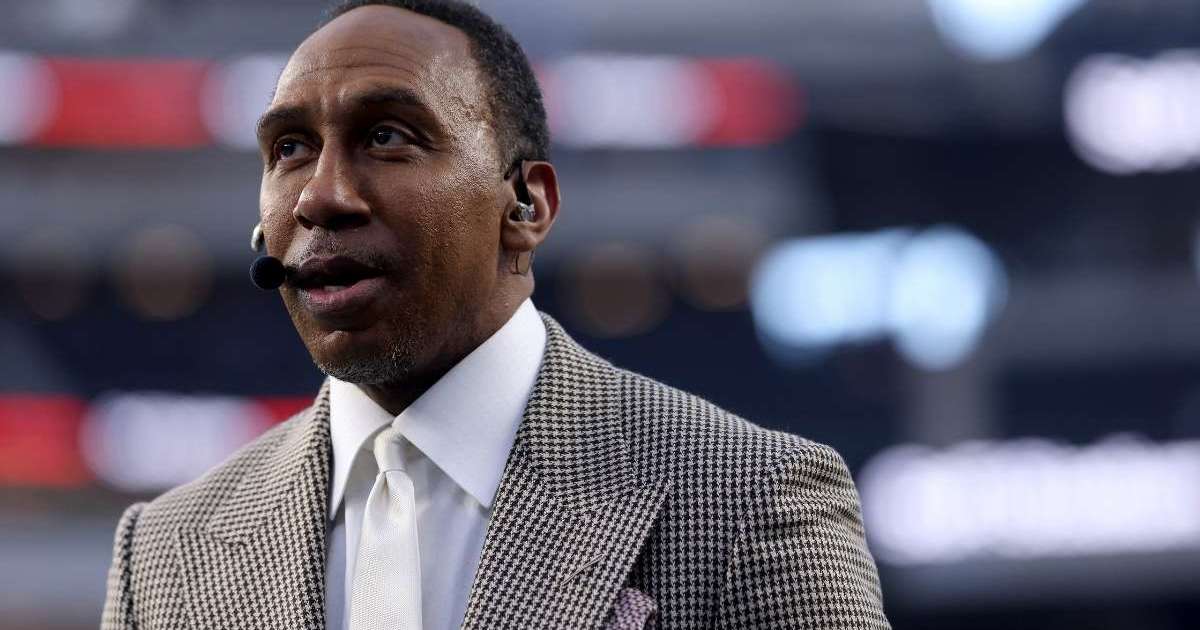
Stephen A. Smith, a prominent ESPN personality, has joined the conversation surrounding Bad Bunny's Super Bowl halftime show, echoing President Donald Trump's critical stance on the performance. Smith highlighted the show's high energy but honed in on the fact that it was predominantly in Spanish, a choice that he believes may have alienated a significant portion of the audience. He pointed out that Trump, despite claiming he wouldn't watch the show, still found time to criticize it afterward.
Smith supported Trump's argument that a performance in English would have been more inclusive and relatable to a broader American audience. He emphasized that there are millions of viewers who may have felt disconnected from the show due to the language barrier. By aligning himself with Trump's perspective on the issue of language and audience comprehension, Smith presented a viewpoint that diverged from the mainstream media's response to the halftime show.
In emphasizing the importance of catering to the diverse linguistic preferences of the Super Bowl audience, Smith echoed Trump's sentiment that a performance in English would have been more universally understood and appreciated. He underscored the need for inclusivity and accessibility in such high-profile events, acknowledging the valid concerns of viewers who may have felt left out by the predominantly Spanish performance. Smith's stance on the matter aligns with Trump's assertion that language plays a crucial role in engaging and connecting with a wide range of viewers.
In a departure from the prevailing narrative surrounding Bad Bunny's Super Bowl halftime show, Stephen A. Smith's perspective sheds light on the significance of language and audience engagement in such a high-profile event. By echoing President Donald Trump's critique of the performance, Smith brings attention to the importance of inclusivity and accessibility for a diverse audience. His stance underscores the need for cultural sensitivity and linguistic diversity in entertainment events of this magnitude.