Calculated Risk: Jim Morrison's Approach to Ski Mountaineering on Great Trango Tower
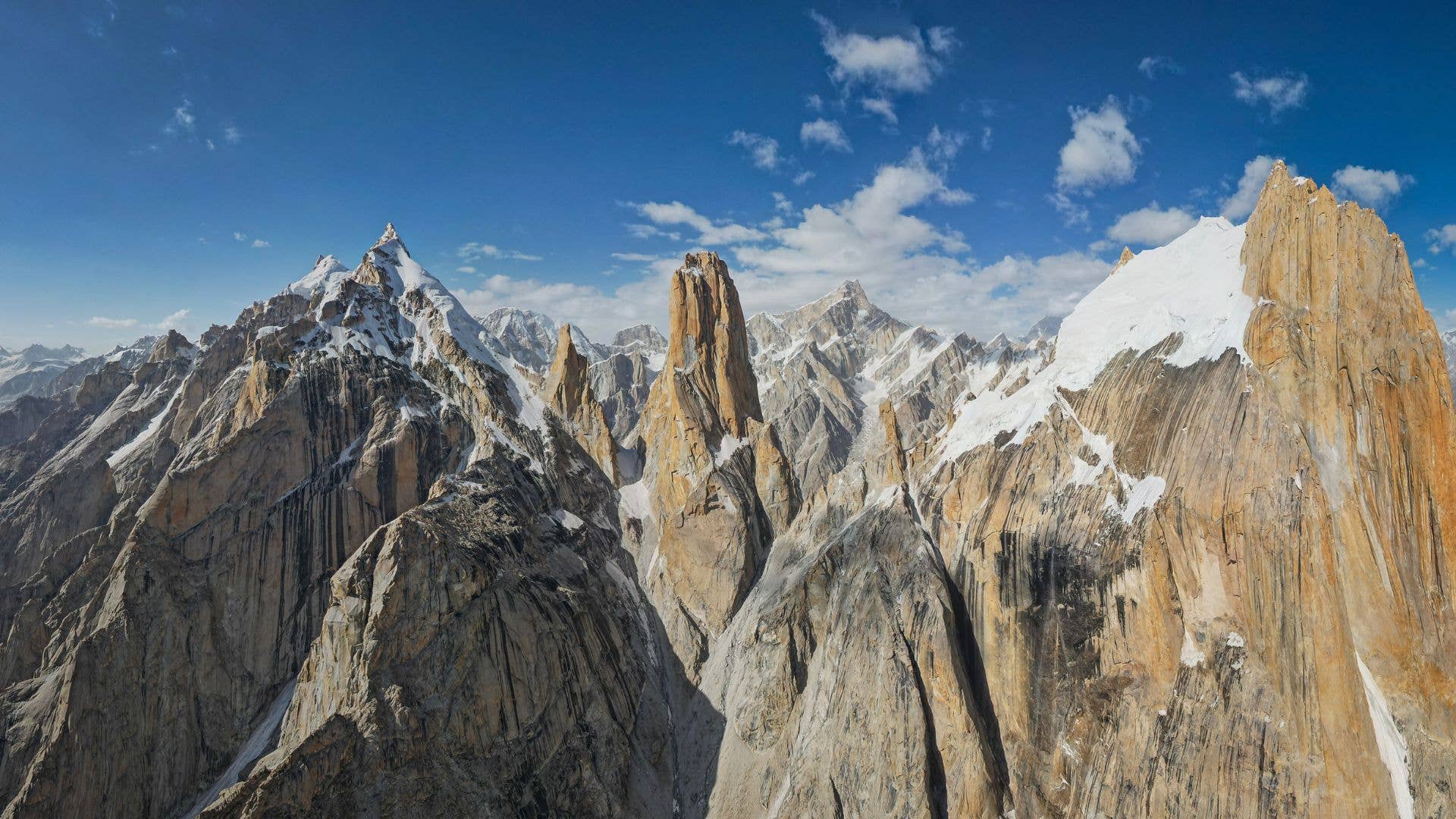
Great Trango Tower's West Face, towering over 20,000 feet, had never been skied until May 2024 when Jim Morrison, Christina Lustenberger, and Chantel Astorga successfully completed the first descent of the face. Morrison, known for his ski mountaineering feats, had previously conquered the Hornbein Couloir on Mount Everest, a challenging 9,000-foot line. The team's expedition to Great Trango Tower involved waiting out storms and assessing avalanche risks at base camp for about a month, emphasizing the importance of patience and safety considerations.
Morrison's approach to such daring descents involves meticulous planning and risk assessment long before he sets foot on the mountain. He carefully studies the route, identifies potential hazards, and acknowledges his fears rather than ignoring them. This mental preparation influences his decision-making process and helps him navigate challenging situations effectively. Despite setbacks like encountering an impassable crevasse during a previous attempt on Great Trango Tower, Morrison emphasizes the importance of recognizing when to retreat for safety reasons.
When faced with fear in the mountains, Morrison doesn't shy away from it but instead uses it to sharpen his focus and heighten his awareness. He views fear as a tool to enhance his concentration, slow down his movements, and stay calculated and safe in high-risk environments. Morrison's approach to managing fear and risk during descents highlights his methodical and safety-conscious mindset, ensuring that every decision is carefully evaluated based on the conditions and the team's well-being.
In conclusion, Jim Morrison's ski mountaineering achievements, including the historic descent of Great Trango Tower's West Face, showcase his strategic approach to conquering challenging terrain. By prioritizing safety, meticulous planning, and embracing fear as a source of valuable information, Morrison demonstrates how calculated risk-taking and mental preparedness are essential components of successful high-altitude descents.