Controversy at the 2026 Winter Olympics: Ukrainian Athletes Disqualified for Commemorating Fallen Heroes
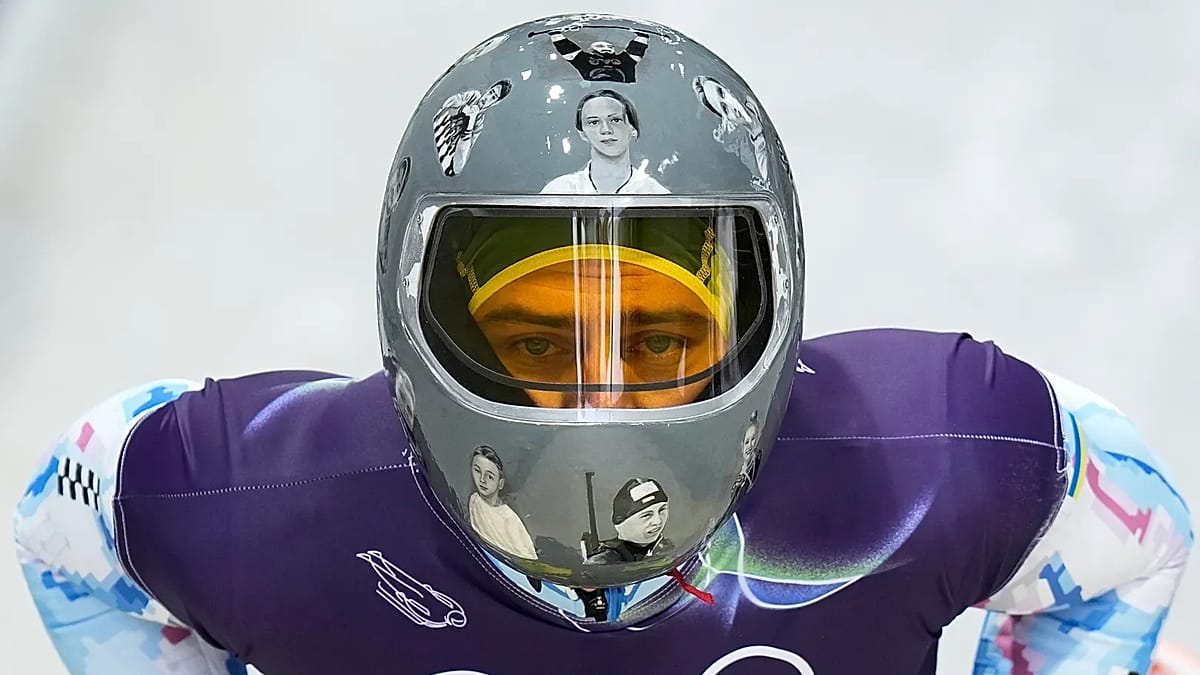
Ukrainian skeleton racer Vladyslav Heraskevych was disqualified from the 2026 Milano-Cortina Winter Olympics by the International Olympic Committee (IOC) due to his custom-made helmet featuring portraits of Ukrainian athletes who lost their lives in Russia's invasion. The IOC offered Heraskevych a compromise to wear a black armband for commemoration, but he refused. The IOC emphasized the importance of expressing mourning with dignity and respect, providing facilities for athletes to do so.
Vladyslav's father and coach, Mykhailo Heraskevych, expressed distress at his son's disqualification, while Ukraine's Foreign Minister Andrii Sybiha criticized the IOC's decision, calling it a moment of shame. Sybiha defended the athletes' desire to honor their fallen compatriots and accused the IOC of disrespect and intimidation. He highlighted the sacrifices made by Ukrainian athletes and coaches in the ongoing conflict with Russia.
In addition to Vladyslav Heraskevych, two other Ukrainian Olympians, freestyle skier Kateryna Kotsar and short track speed skater Oleh Handei, faced disqualification for alleged politicization of their helmets. Kotsar's helmet inscription "Be Brave like Ukrainians" and Handei's quote from Ukrainian poet Lina Kostenko were deemed political slogans by the IOC. Despite the ban, Ukrainian athletes received support from Ukraine's Armed Forces commander-in-chief Oleksandr Syrskyi, who emphasized the importance of remembrance and expressed solidarity with the athletes' tributes.