Controversy Surrounding El Paso Airspace Closure: The Clash Over Anti-Drone Laser Testing
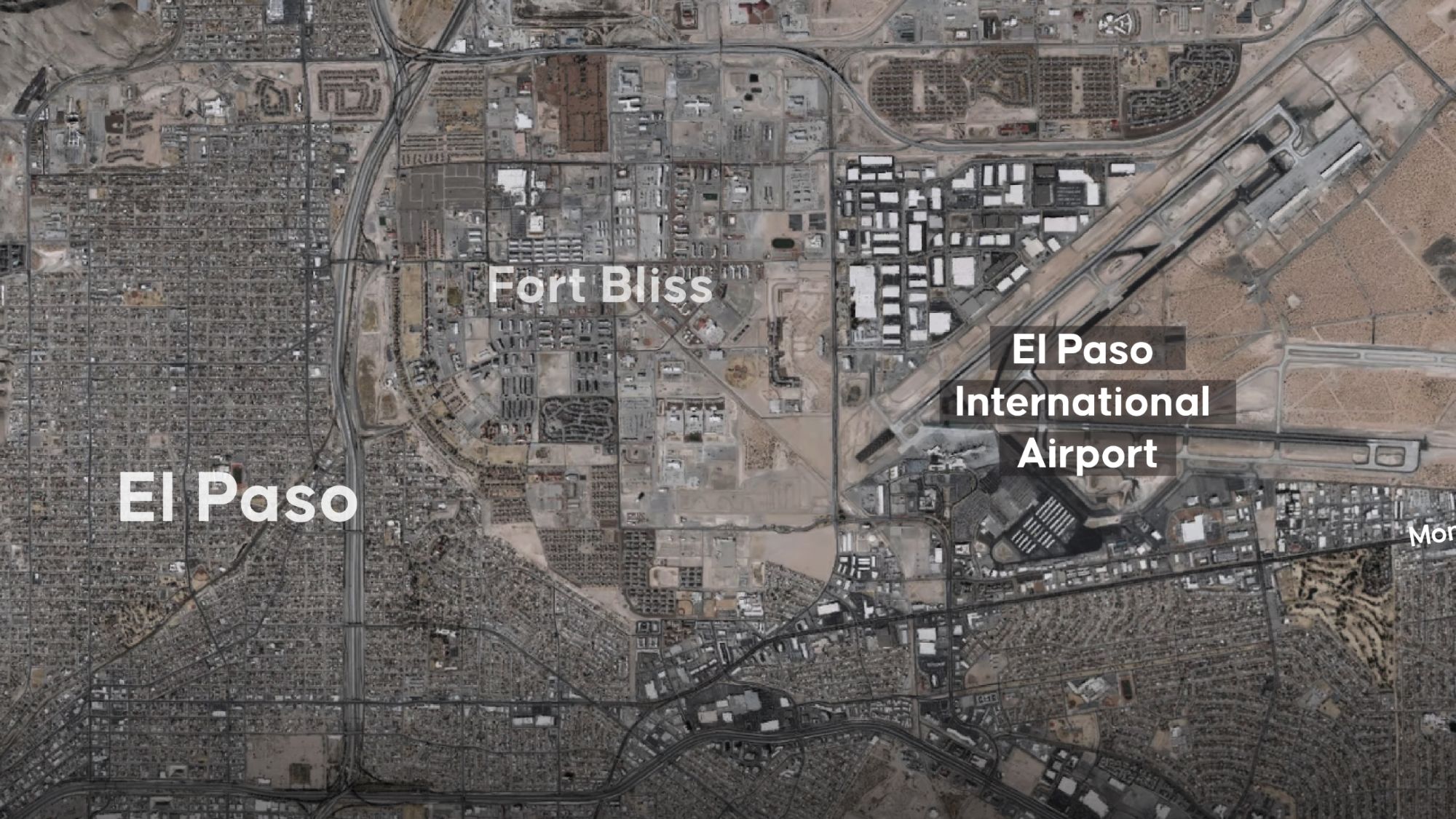
The recent closure of El Paso's airspace by the Federal Aviation Administration (FAA) was due to a dispute between the Transportation Department, Defense Department, and Department of Homeland Security regarding the testing of an anti-drone laser weapon. Initially, the FAA grounded all flights in and around El Paso and a portion of New Mexico for 10 days for "special security reasons," but later reversed the decision following pressure from Washington, D.C., and Texas. Transportation Secretary Sean Duffy mentioned that the FAA and Pentagon swiftly addressed a cartel drone incursion, which they claimed to have neutralized.
The explanation provided by the officials about the drone incursion was met with skepticism by lawmakers and El Paso officials, as drone incursions from Mexico are common along the border. Reports suggest that the extreme airspace closure was a result of immigration officials using an anti-drone laser from Fort Bliss near El Paso International Airport without proper assessment of the risks to commercial aircraft. The use of high-energy lasers can pose risks to pilots, potentially causing eye injuries and loss of aircraft control, especially during critical phases of flight.
The incident involving the anti-drone laser was triggered by a mistaken identification of a drone, which turned out to be a party balloon. Despite the confusion, Customs and Border Protection officials reportedly shot down one balloon using the laser. This event adds to a series of conflicts between the FAA and the Defense Department, including a fatal midair crash last year over the Potomac River. Senators Ted Cruz and John Cornyn have requested a classified briefing on the incident from the FAA and Pentagon to gain more insight into the situation.
In conclusion, the closure of El Paso's airspace by the FAA was a result of conflicting interests and actions between government agencies regarding the testing of anti-drone technology. The incident highlights the challenges of ensuring aviation safety while addressing security threats posed by drones along the border.