Creative Struggles: Mick Fleetwood's Role in Fleetwood Mac's Songwriting Process
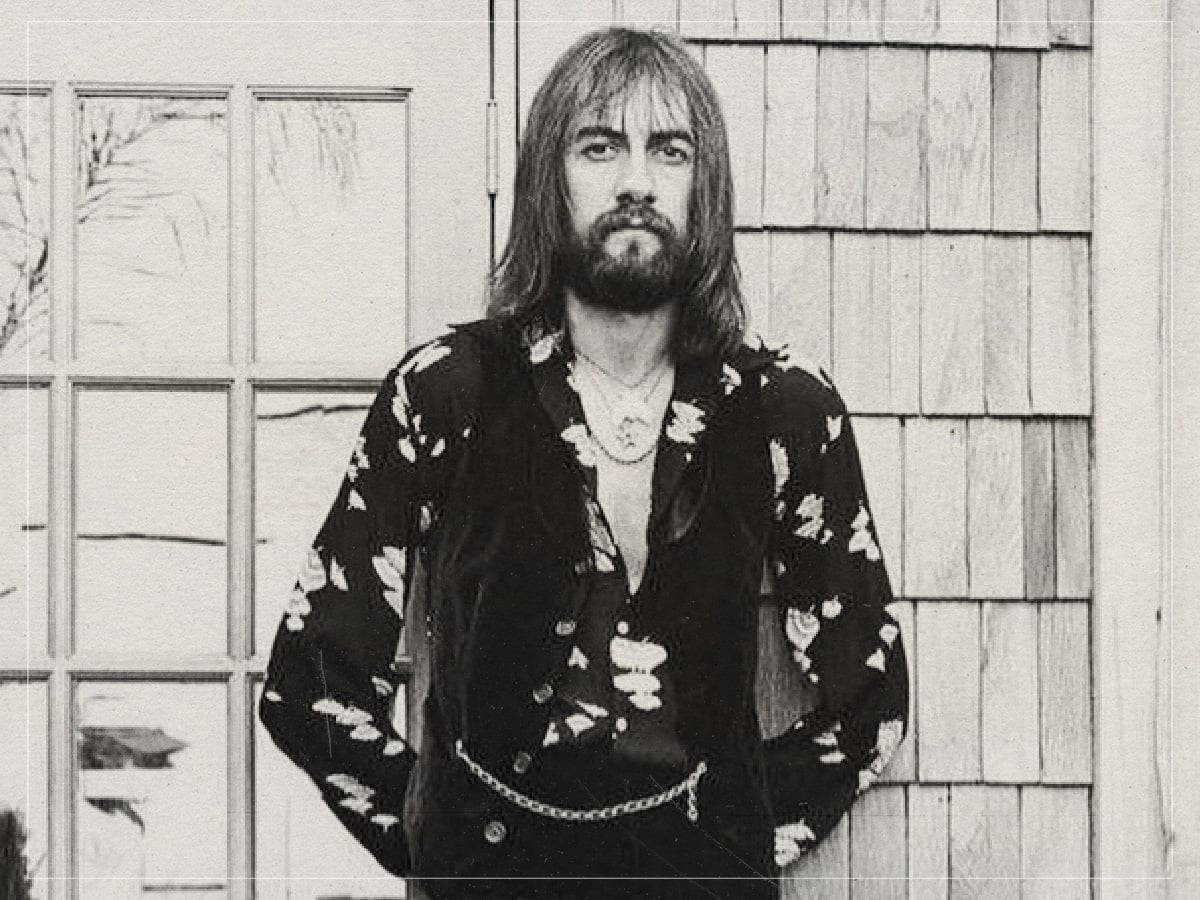
Mick Fleetwood, a key member of Fleetwood Mac, often felt sidelined in the band's songwriting process, with his role primarily focused on setting the mood rather than contributing to the creative direction. This dynamic was particularly evident during the recording of the album Tusk, where tensions between band members, especially Lindsey Buckingham, ran high. Buckingham's desire to explore new musical territories clashed with Fleetwood's more traditional sensibilities, leading to conflicts over the direction of tracks like 'Walk a Thin Line'.
Buckingham's insistence on pushing the band's sound in unconventional directions, influenced by emerging punk trends, created friction within the group. His decision to take control of the drumming on 'Walk a Thin Line' instead of involving Fleetwood further exacerbated the situation. Fleetwood, a respected percussionist in the British blues scene, was understandably upset by this move, feeling that his contributions were being disregarded in favor of Buckingham's vision.
The recording process for 'Walk a Thin Line' highlighted the growing tensions within Fleetwood Mac, with Fleetwood expressing his displeasure at the final drum track, which was played by Buckingham. The drummer's frustration at being sidelined in favor of a sloppier, less polished sound was palpable, reflecting the underlying power struggles and creative differences within the band. Ultimately, the strained relationship between Fleetwood and Buckingham reached a breaking point during the recording of Tusk, leading to a significant shift in the band's dynamics.
Despite the discord surrounding 'Walk a Thin Line', the song's legacy endured beyond Fleetwood Mac's internal conflicts. Mick Fleetwood later revisited the track on his solo album The Visitor, enlisting the talents of George Harrison to create a new version of the song. This reinterpretation served as a testament to Fleetwood's determination to reclaim the track and assert his own artistic vision, showcasing his resilience in the face of creative challenges.