Execution of Kendrick Simpson in Oklahoma: A Case Study in Capital Punishment
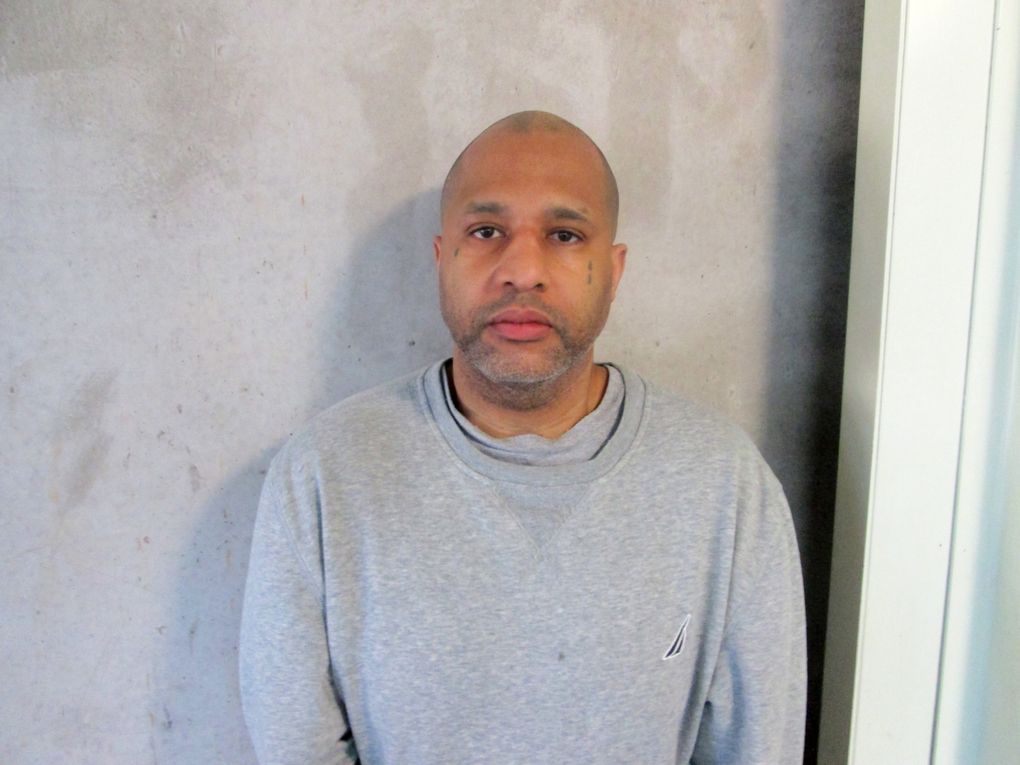
A man convicted of a drive-by shooting that resulted in the deaths of two individuals was scheduled to be executed in Oklahoma. Kendrick Simpson, who admitted to the killings during a clemency hearing, apologized to the victims' families and expressed remorse for his actions. Despite his apology, the state's Pardon and Parole Board denied his clemency request, and the U.S. Supreme Court rejected a late appeal to halt the execution. Simpson's attorneys argued that he suffered from posttraumatic stress disorder due to childhood trauma, but the execution proceeded as planned.
The incident occurred in 2006 when Simpson, following an altercation at a club, fired multiple rounds from an assault rifle into a vehicle carrying the victims. The victims' families supported Simpson's execution, with one family member expressing the desire to see justice served for the loss of her brother. Oklahoma Attorney General Gentner Drummond described Simpson as a "ruthless and violent killer" who showed no remorse for his actions. The state planned to use a lethal injection method for the execution, following the denial of clemency.
Simpson's execution marked the second in the United States for the year, following a recent execution in Florida. The state of Florida had a record number of executions in 2025, with Ronald Palmer Heath being executed for a separate conviction. The upcoming execution in the U.S. was scheduled in Florida for the killing of a grocery store owner during a robbery. The execution highlighted the ongoing debate surrounding the death penalty and its application in cases of severe crimes.