Exploring a Softer Sound: The Influence of Fleetwood Mac on Foo Fighters' 'Ain't It the Life
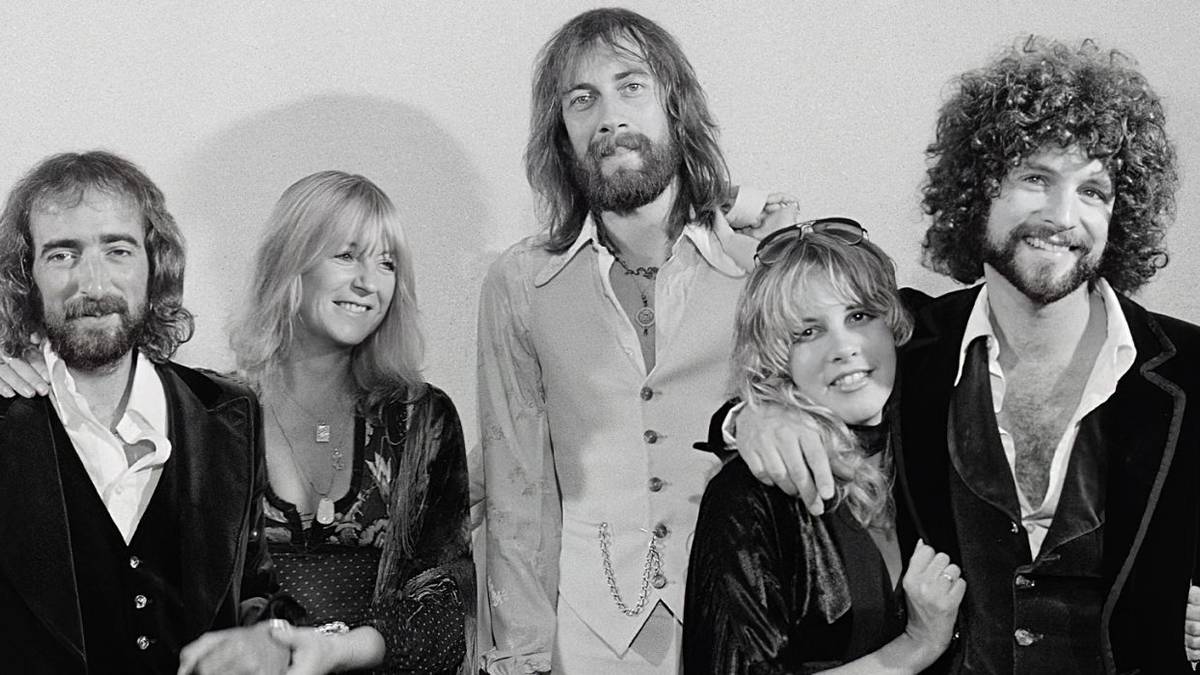
The Foo Fighters are known for their high-energy rock anthems and explosive performances, but they once explored a softer, more melodic sound inspired by Fleetwood Mac. The song "Ain't It the Life" from their third album, "There Is Nothing Left to Lose," showcases a different side of the band, with acoustic and laid-back elements rarely heard in their music. Despite being primarily classified as alternative rock and post-grunge, Foo Fighters' experimentation with a more folk rock-inspired sound in this track paid off, adding a unique touch to their discography.
Dave Grohl, the band's frontman and former drummer of Nirvana, acknowledged his interest in 1970s music, particularly Fleetwood Mac, when writing "Ain't It the Life." The song's calm and tender tone sets it apart from their usual explosive style, drawing comparisons to Fleetwood Mac's smooth and melodic arrangements. Grohl's relaxed vocal delivery in this track complements the acoustic elements, creating a more intimate listening experience for fans.
Following the success of their album "The Colour and the Shape," Foo Fighters took a risk with "There Is Nothing Left to Lose," exploring new musical territories after the departure of a band member. Despite the pressure to meet fan and critical expectations, the album was well-received for its mature and introspective approach. "Ain't It the Life" provided a softer moment on the record, showcasing the band's willingness to evolve their sound while staying true to their identity. Overall, the song stands out as a remarkable addition to the Foo Fighters' diverse discography, thanks to the influence of Fleetwood Mac.