Title: "Language, Culture, and Identity: Bad Bunny's Super Bowl Performance Sparks Debate on Linguistic Diversity in America
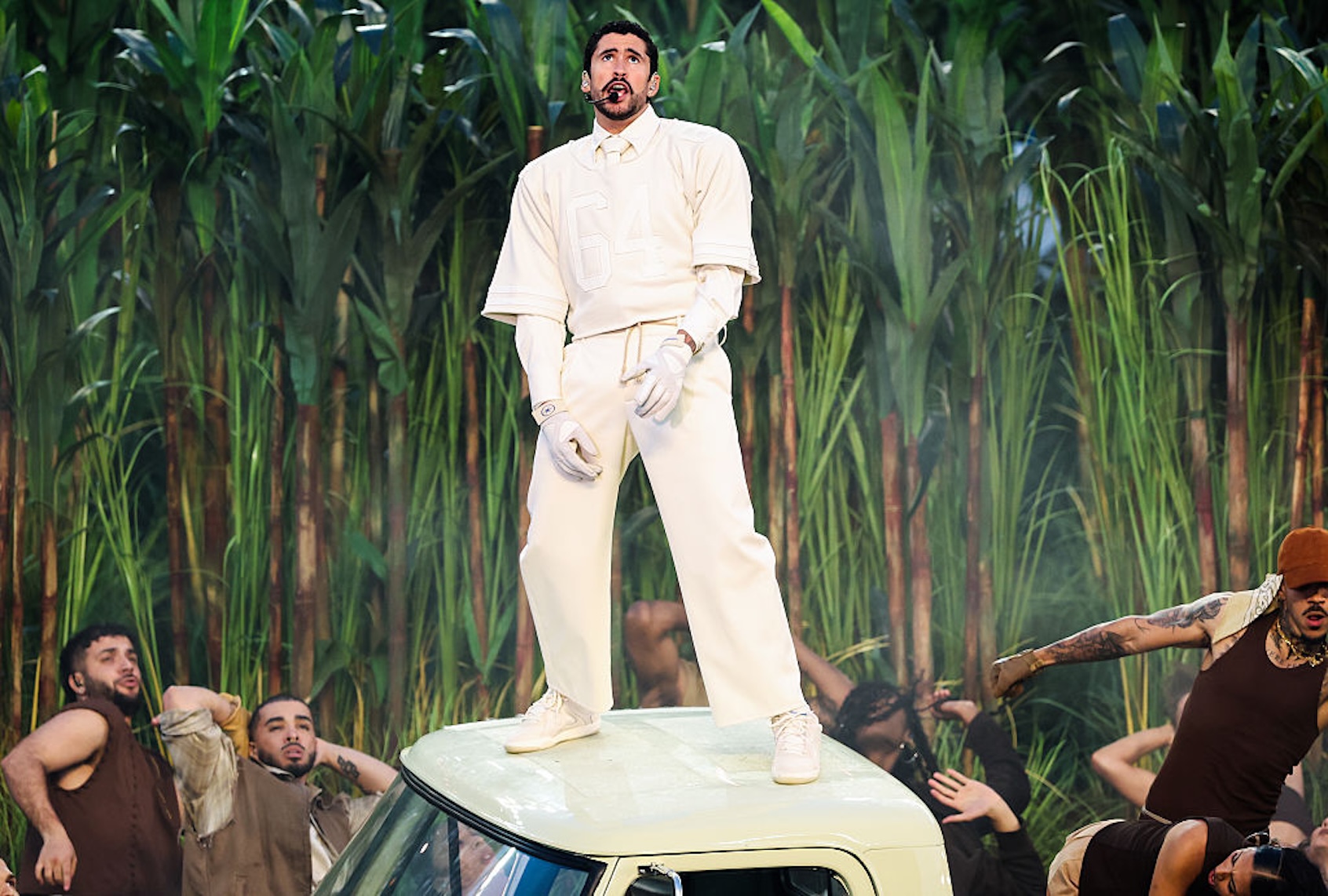
The announcement that Bad Bunny, a Puerto Rican music sensation, would headline the Super Bowl LX halftime show sparked controversy in a divided America. The performance by the confident, gender-bending artist singing in Spanish on the iconic Super Bowl stage triggered fake outrage from some MAGA supporters who argued that the Super Bowl is an American event where English should be spoken. This debate highlights the deep-rooted connection between language and American white nationalism, with some critics viewing Bad Bunny's Spanish performance as an affront to American culture.
Despite the uproar, English remains the dominant language in the United States, with over 90% of the population proficient in English. However, the concern lies in the low percentage of native-born Americans who can speak languages other than English, reflecting a lack of linguistic diversity in the country. This statistic underscores a broader issue of American education and cultural sophistication, which should be a matter of national concern.
Monolingualism has become ingrained in American national identity, despite the country's history as a nation of immigrants with diverse linguistic backgrounds. The shift towards monolingualism in the U.S. occurred after the Civil War, fueled by nativist sentiments towards new immigrants from southern and eastern Europe. This transition marked a departure from the country's earlier embrace of multilingualism and heritage language speakers, leading to the promotion of monolingual English as a defining characteristic of American identity.
Puerto Rico stands out as an exception to the trend of English-language assimilation in the U.S., maintaining Spanish as its primary language despite being under American control since 1898. The island's resistance to monolingualism reflects a commitment to preserving its cultural and linguistic heritage. Bad Bunny's Super Bowl performance served as a powerful statement on the role of Puerto Rican and Latin culture in American society, challenging the notion of monolingualism and celebrating linguistic diversity in the country.
In conclusion, Bad Bunny's performance at the Super Bowl LX halftime show not only showcased his musical talent but also sparked a conversation about language, culture, and identity in America. By singing in Spanish, he challenged the narrative of monolingualism and highlighted the richness of linguistic diversity in the country. His performance served as a reminder of America's multicultural heritage and the importance of embracing different languages and cultures in a diverse society.