The Don Lemon Case: A National Test of Press Freedom
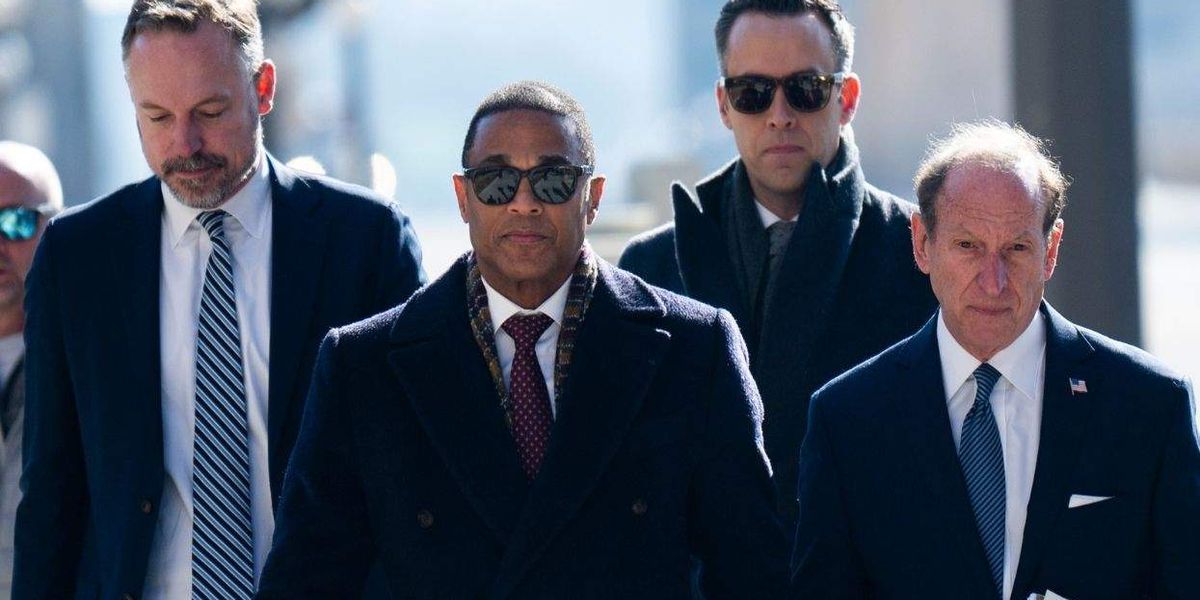
Don Lemon, a former CNN anchor turned independent journalist, appeared in federal court in St. Paul to face federal civil rights and conspiracy charges related to his coverage of a protest at a Minnesota church. Despite pleading not guilty, the circumstances surrounding the case have turned it into a national test of press freedom.
The hearing brought Lemon back before U.S. Magistrate Judge Douglas L. Micko, who had previously rejected the Trump Department of Justice's attempt to move forward with criminal charges against the journalist. After multiple legal hurdles, including a grand jury indictment, Lemon was arrested by federal agents in Los Angeles but was later released without bail or travel restrictions.
Lemon and his legal team argue that he was simply doing his job as a journalist by documenting a newsworthy event and interviewing participants. They view the prosecution as an attempt to criminalize basic newsgathering and blur the line between reporting and participating in a protest.
Despite the charges, Lemon remains committed to his work as an independent journalist, hosting his regular online show and reporting on national politics and civil rights. The case has drawn criticism from press freedom and journalism organizations, who warn that it could have a chilling effect on coverage of protests and politically charged events.
The prosecution argues that the case is about conduct, not credentials, emphasizing that laws protecting civil rights and access to religious services apply to all individuals. However, Lemon's supporters believe the government is testing a dangerous theory that could put journalists at legal risk for simply doing their job.
As the case moves forward, the outcome will have implications for the future of journalism and press freedom. The arraignment, though a procedural step, has garnered significant attention from journalists and advocates who are closely monitoring the proceedings to see how they will shape the landscape of journalism moving forward.