Jeff Lynne's Quest for Simplicity: A Beatles-Inspired Journey in Pop Production
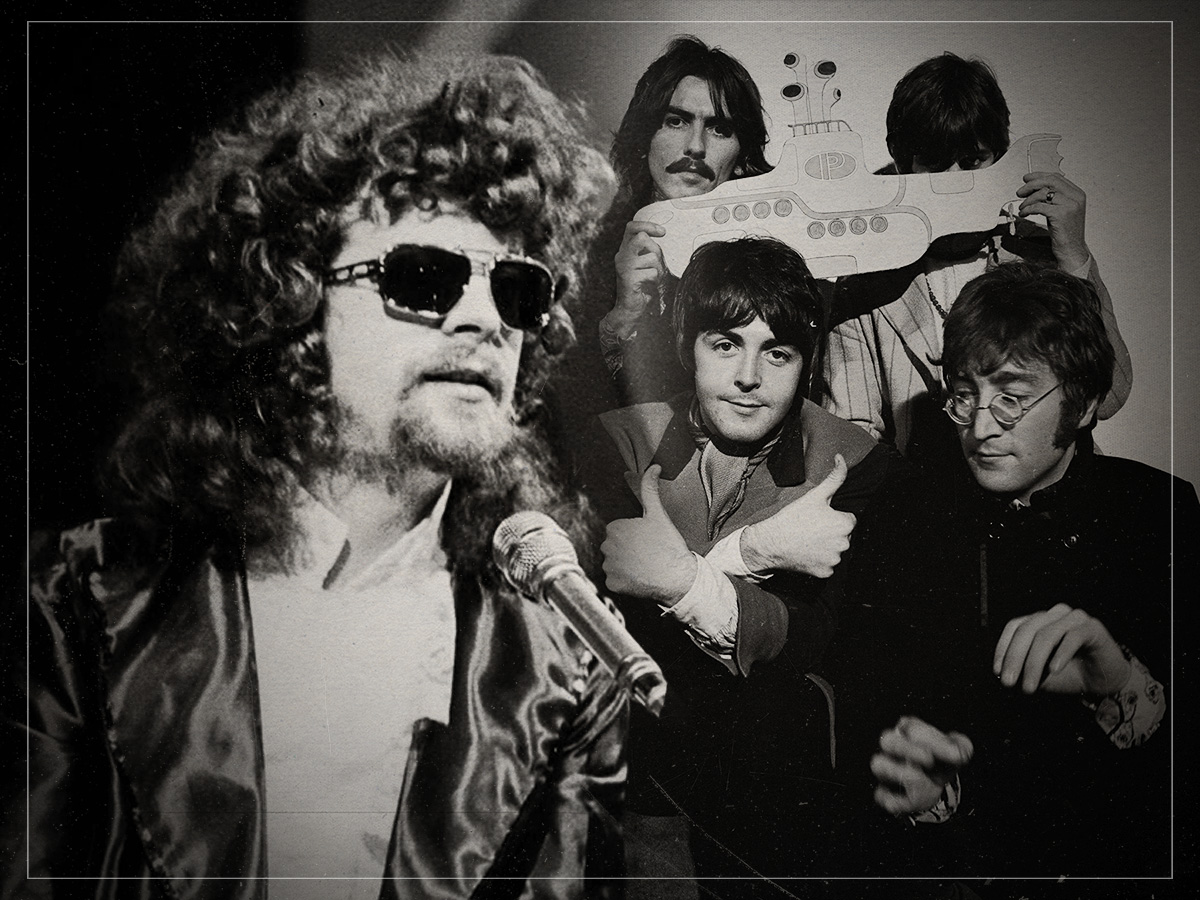
Jeff Lynne, the mastermind behind Electric Light Orchestra, was heavily influenced by The Beatles before finding success with his own band. He drew inspiration from the legendary band's music and sought to create his own version of pop perfection. Despite the technological advancements of the 1970s and '80s, Lynne's work with ELO showcased his admiration for The Beatles from various perspectives.
As a fan of The Beatles' producer, George Martin, Lynne was intrigued by the techniques used to enhance the band's compositions. Each member of The Beatles pursued individual projects with different producers after the 1970s, sparking Lynne's interest in exploring new sounds and production methods.
When recording his solo debut album, "Armchair Theatre," in 1990, Lynne struggled with the endless possibilities of production despite having a well-equipped home studio. Reflecting on his collaboration with George Harrison on "Cloud Nine," he attempted to recreate a similar setup but still faced creative challenges.
Lynne discussed the equipment in his studio, including a custom Raindirk desk and an Otari 24-track recorder, but found that the gadgets did not fulfill his creative vision. He expressed frustration with the limitations of his studio setup and the desire to simplify his approach to recording.
In the 1990s, technological advancements allowed for more tracks in recording systems, enabling producers to experiment with sound. Lynne's penchant for layering multiple tracks of the same instrument contributed to the trend of creating a larger sound in pop production. However, his Beatles-inspired quest for grandeur led him to reassess his studio setup and embrace a simpler recording process.
Reflecting on his experience with "Armchair Theatre," Lynne realized the value of simplicity in the studio. He acknowledged that fewer gadgets and distractions allowed for a more focused and authentic recording experience. Ultimately, he concluded that a microphone and a tape recorder were the essential tools for capturing music effectively.