Exploring Dark Desires and Familial Dysfunction: A Review of Karim Aïnouz's Rosebush Pruning
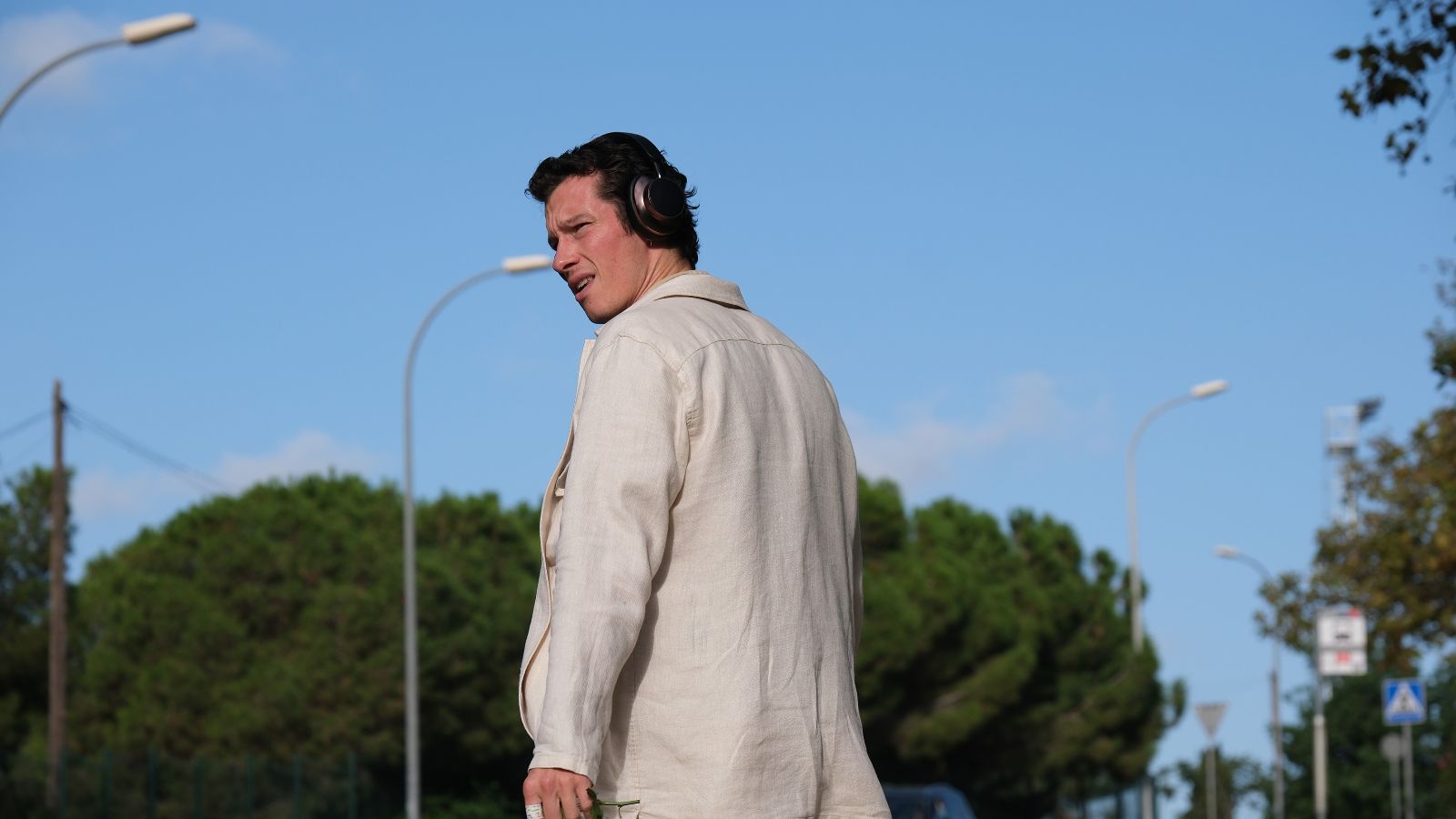
Crafting complex and alluring protagonists from dark and nihilistic characters is a delicate art that Brazilian filmmaker Karim Aïnouz explores in his latest film, Rosebush Pruning. The movie, a contemporary reimagining of Marco Bellocchio’s Fists in the Pocket, is set in Catalonia and follows a wealthy family with twisted dynamics. The characters, played by a talented cast including Tracy Letts, Callum Turner, Riley Keough, Jamie Bell, and Elle Fanning, engage in taboo scenarios that push the boundaries of societal norms.
The story revolves around the dysfunctional relationships within the family, particularly focusing on Ed, Anna, Jack, and Robert, each grappling with their own dark desires and insecurities. As the plot unfolds, the characters' interactions reveal a web of twisted emotions and hidden motives, culminating in a shocking revelation that challenges the audience's perception of morality and family ties.
Despite the film's provocative subject matter and the committed performances of the cast, Rosebush Pruning struggles to strike a balance between dark humor and meaningful storytelling. Aïnouz's direction, while visually striking, often veers into excessive sensationalism, overshadowing the emotional depth of the characters and their relationships. The narrative, though fast-paced and engaging, lacks the subtlety and nuance needed to fully explore the complexities of the characters' psyches.
While Rosebush Pruning may appeal to fans of unconventional cinema and bold storytelling, its fragmented narrative and lack of cohesive thematic exploration prevent it from reaching its full potential as a thought-provoking piece of cinema. The film's swift runtime and stylized visuals offer glimpses of brilliance, but ultimately fall short of delivering a cohesive and impactful cinematic experience.
In conclusion, Rosebush Pruning is a visually arresting yet thematically disjointed exploration of dark desires and familial dysfunction. Aïnouz's ambitious attempt to delve into the complexities of human nature and societal norms is hindered by a lack of narrative cohesion and character development. Despite its provocative subject matter and committed performances, the film struggles to strike a balance between style and substance, leaving audiences with a mixed impression of its artistic merit.