NIH Leadership Crisis: Vacant Director Positions and Concerns of Politicization
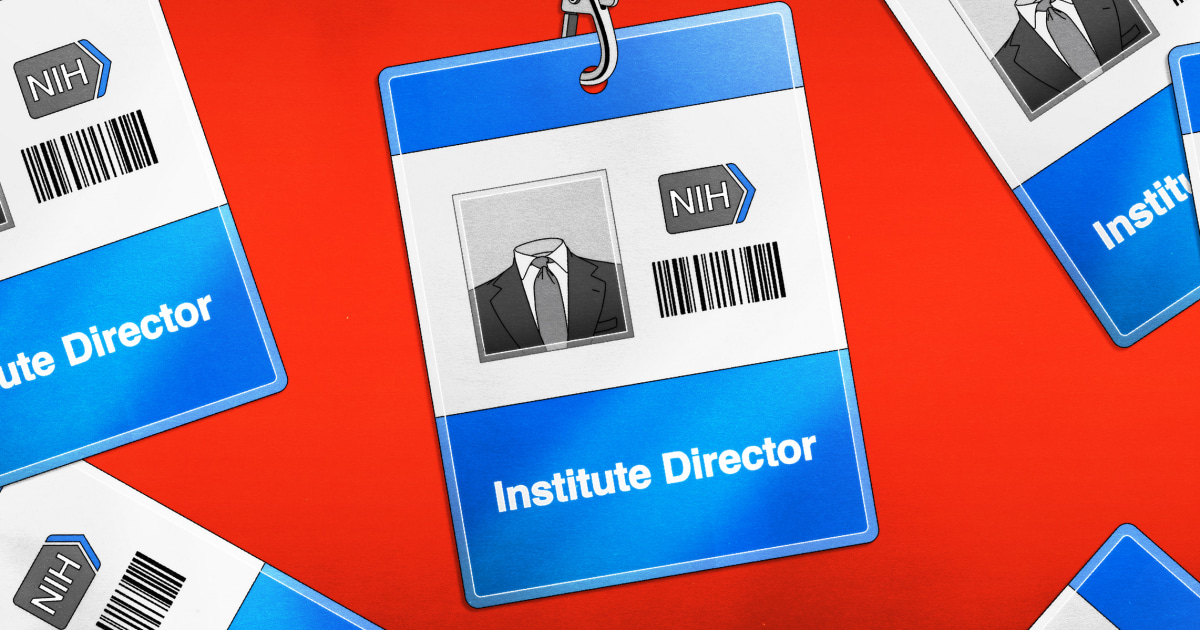
The National Institutes of Health (NIH), the largest public funder of biomedical research, is facing a leadership crisis with 16 out of 27 institutes lacking permanent directors. This vacuum in leadership positions has opened up during President Donald Trump's second term, leading to a situation where acting directors are filling in temporarily. The vacant director positions are crucial as they oversee multibillion-dollar budgets and play a significant role in deciding federal research funding allocation for major health issues like Alzheimer's and diabetes.
Despite attempts by the Trump administration to slash NIH's budget and consolidate its institutes and centers, the agency has managed to withstand these changes. However, the growing number of vacancies in top leadership positions raises concerns about potential politicization of the agency. Some current and former staffers fear that the appointments to fill these roles may not align with the institute's mission and could be influenced by political agendas.
The turmoil and turnover in leadership positions at public health agencies, including NIH, have become more common under Health Secretary Robert F. Kennedy Jr.'s leadership. The removal of key officials and changes in vaccine guidance at agencies like the Centers for Disease Control and Prevention (CDC) have raised concerns about the politicization of scientific research. The recent changes in the selection process for NIH institute directors have also sparked controversy, with external partners being informally involved in the decision-making process.
The removal of several NIH institute directors, some of whom were outspoken about certain research topics, has raised questions about ideological motivations behind these decisions. Kennedy's personal interests in subjects like vaccine injuries and autism, as well as Trump's executive order emphasizing agency priorities, have led to concerns about the direction of NIH under the current administration. The changes in leadership and decision-making processes at NIH have prompted whistleblowers to come forward with allegations of politicization of scientific research.
In conclusion, the leadership crisis at NIH, with a significant number of vacant director positions, raises concerns about the agency's future direction and potential politicization of scientific research. The ongoing changes in leadership selection processes and the removal of key officials have sparked controversy and led to allegations of ideological motivations behind these decisions. As NIH navigates through this challenging period, the appointment of new directors will be crucial in shaping the agency's priorities and research focus.