Love and Harmony: Paul and Linda McCartney's Journey in Wings
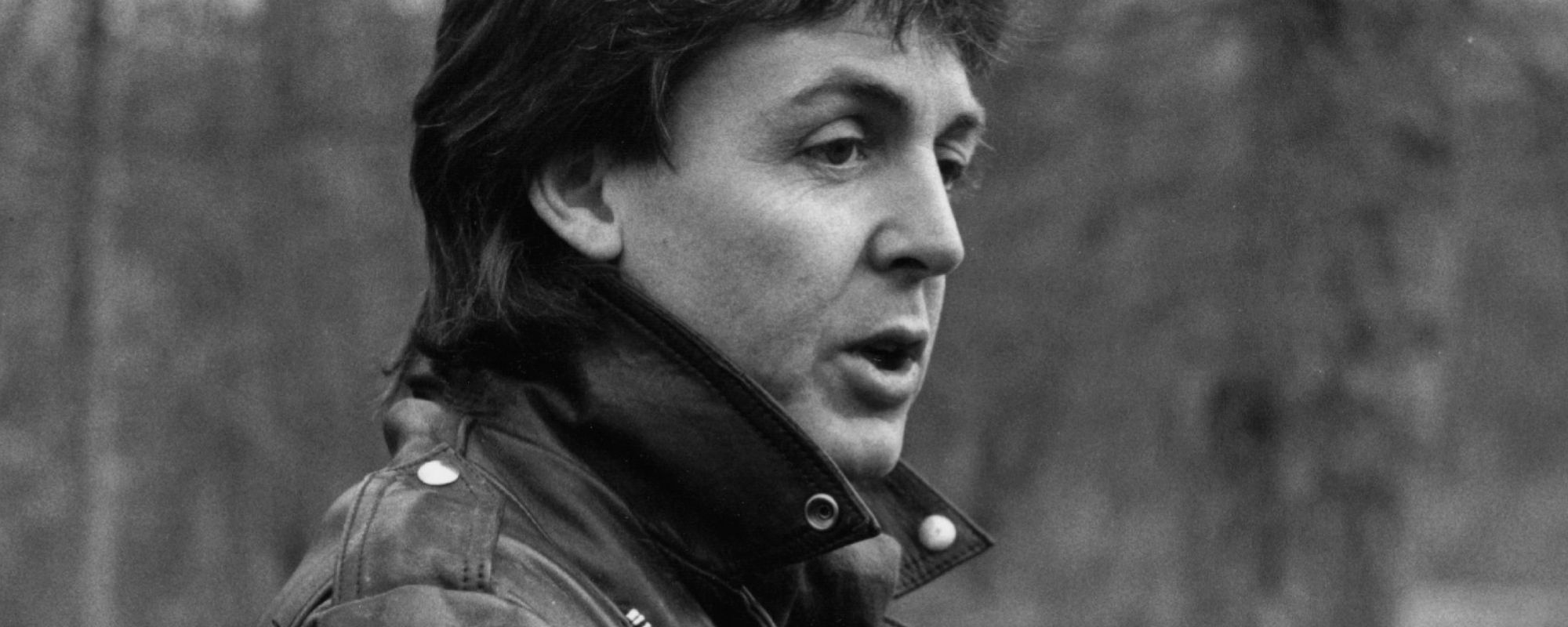
The transition from one musical era to another can be a daunting task, especially for iconic musicians like Paul McCartney. After The Beatles disbanded, McCartney faced criticism for including his wife, Linda McCartney, in his new band, Wings. Despite the skepticism from the public and fellow artists, Paul found comfort in having his wife by his side on stage, challenging the patriarchal norms of the time.
As a seasoned rockstar, Paul McCartney had a reputation to uphold when forming Wings. Many questioned his decision to have an amateur musician like Linda in the band. However, McCartney defended his choice by highlighting The Beatles' humble beginnings and their lack of formal training. He believed that Linda's presence brought a sense of familiarity and comfort, much like the early days of The Beatles.
The Beatles' unconventional approach to music, characterized by experimentation and rule-breaking, was a key element that McCartney wanted to replicate in Wings. He emphasized that The Beatles were not initially exceptional musicians but developed their unique sound through practice and imitation. McCartney's decision to prioritize his relationship with Linda over conventional band dynamics reflected his personal values and commitment to their partnership.
Linda McCartney played a crucial role in supporting Paul and allowing him to explore his artistic freedom. Despite facing criticism and skepticism, Paul valued Linda as his anchor and source of stability in the tumultuous world of music. Their partnership in Wings was not just about creating music but also about staying true to their bond and shared journey as a couple.
In conclusion, Paul McCartney's decision to include Linda in Wings was a testament to their deep connection and mutual support. While facing backlash from the public and industry peers, McCartney remained steadfast in his belief that having his wife by his side was a source of strength and inspiration. Their collaboration in Wings not only challenged traditional band dynamics but also showcased the power of love and partnership in the world of music.